
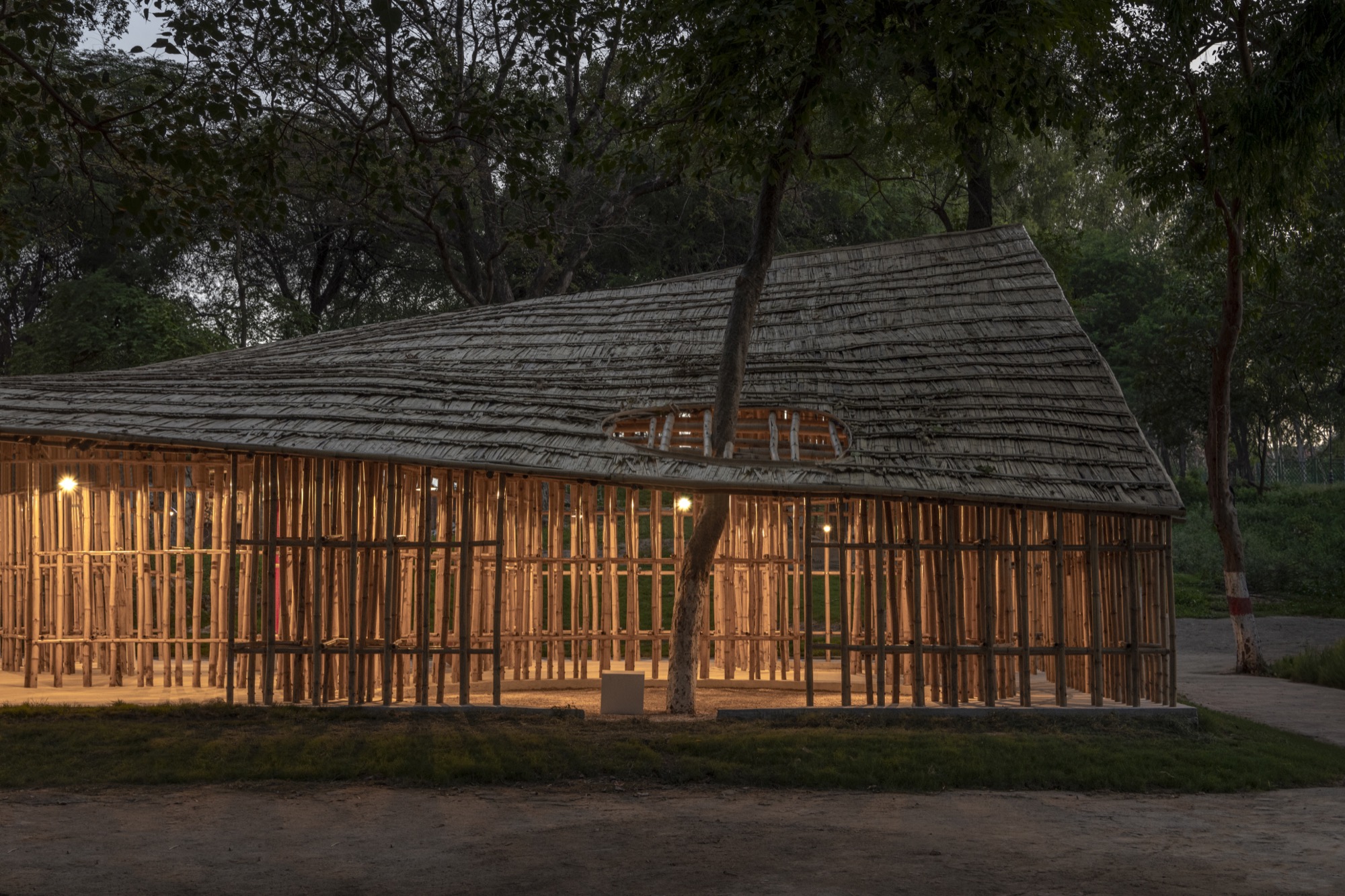
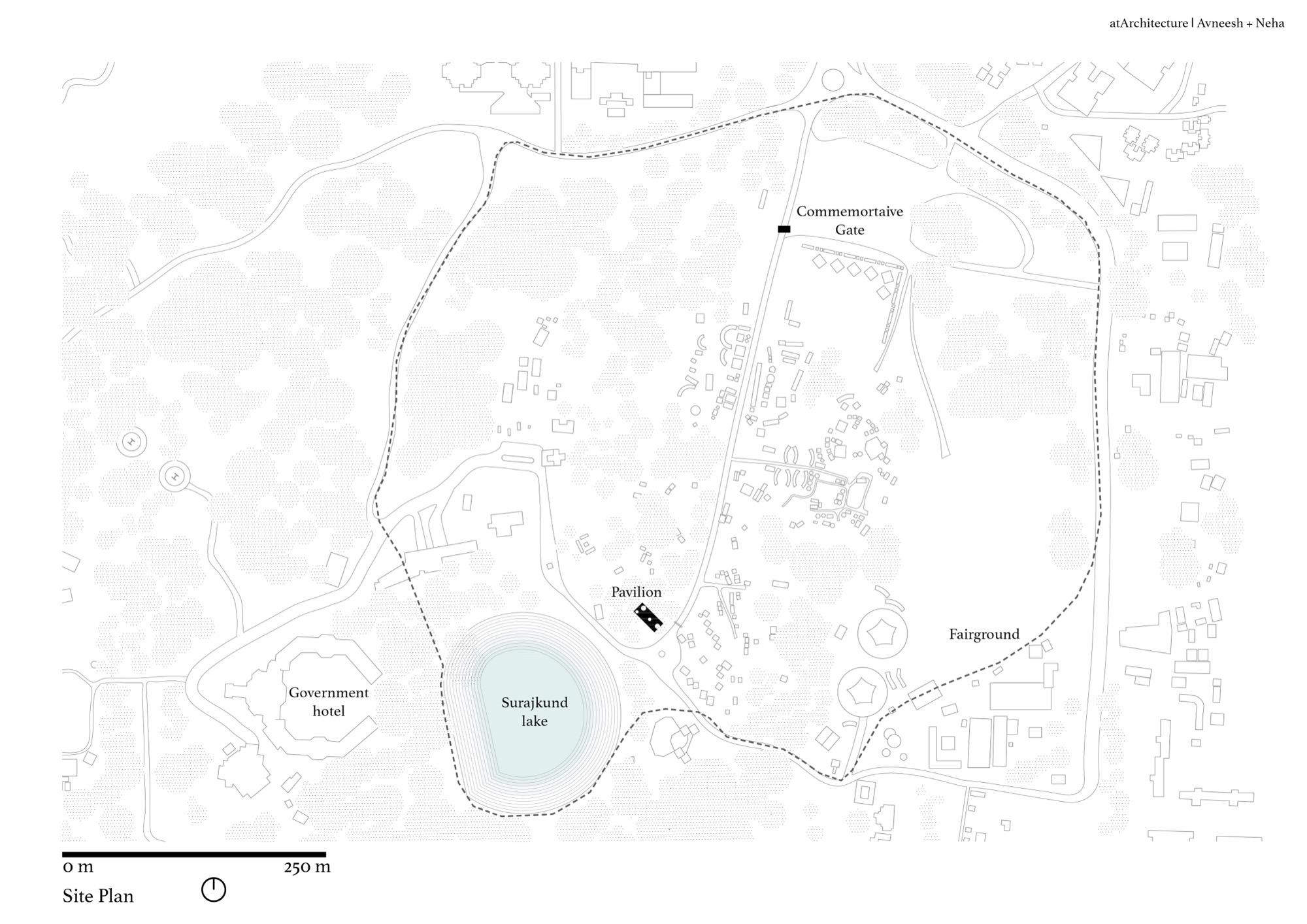
Northeast Pavilion is a permanent bamboo structure created by Mumbai studio AtArchitecture to showcase local craft and construction techniques from the northeast of India. Located on a site near Surajkund Lake in Faridabad that was commissioned in the 10th century by King Suraj Pal of the Tomar dynasty. Today, the lake is inactive, but it is widely known for the Surajkund Mela which attracts more than a million visitors during its three-week run.
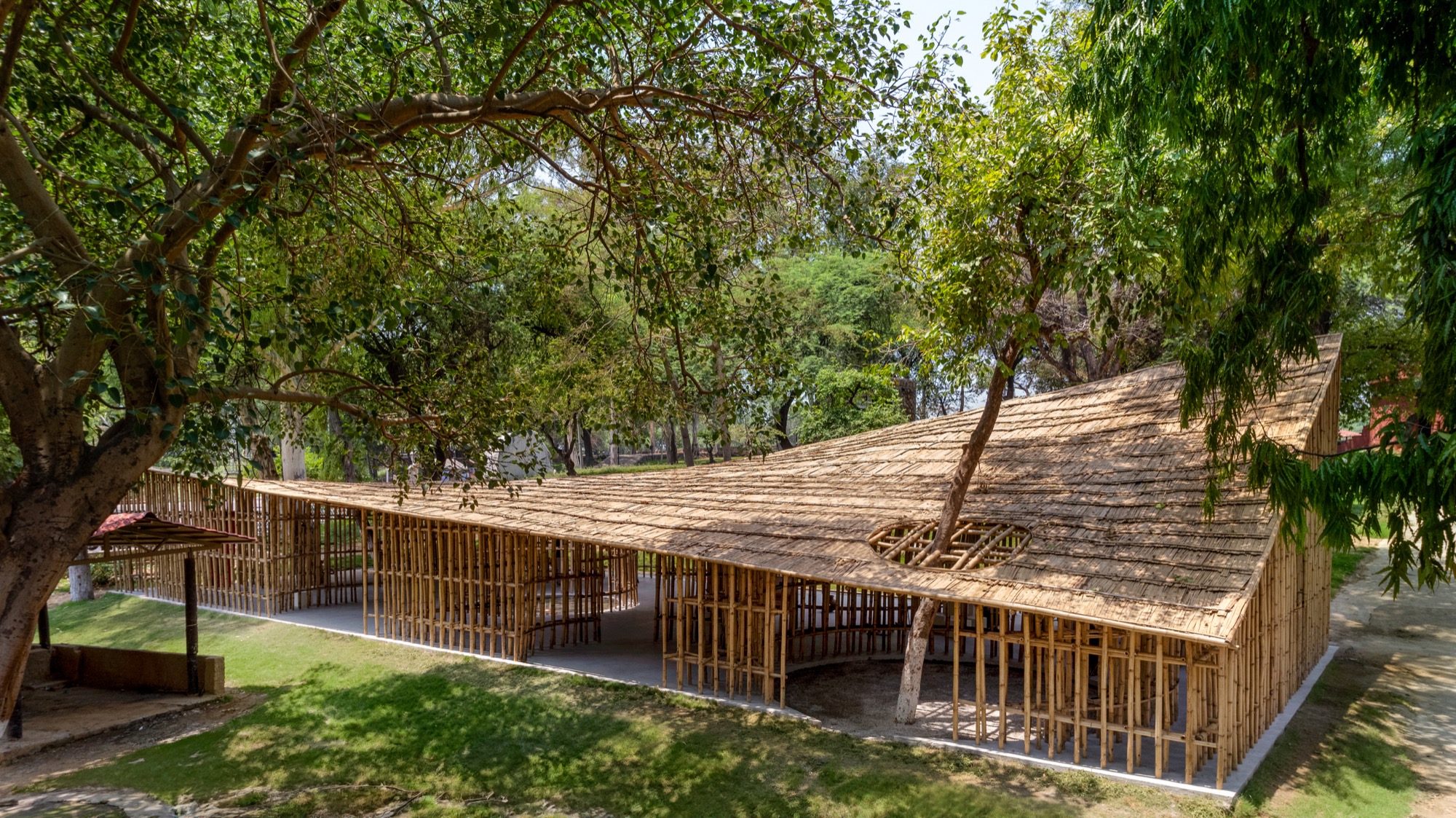
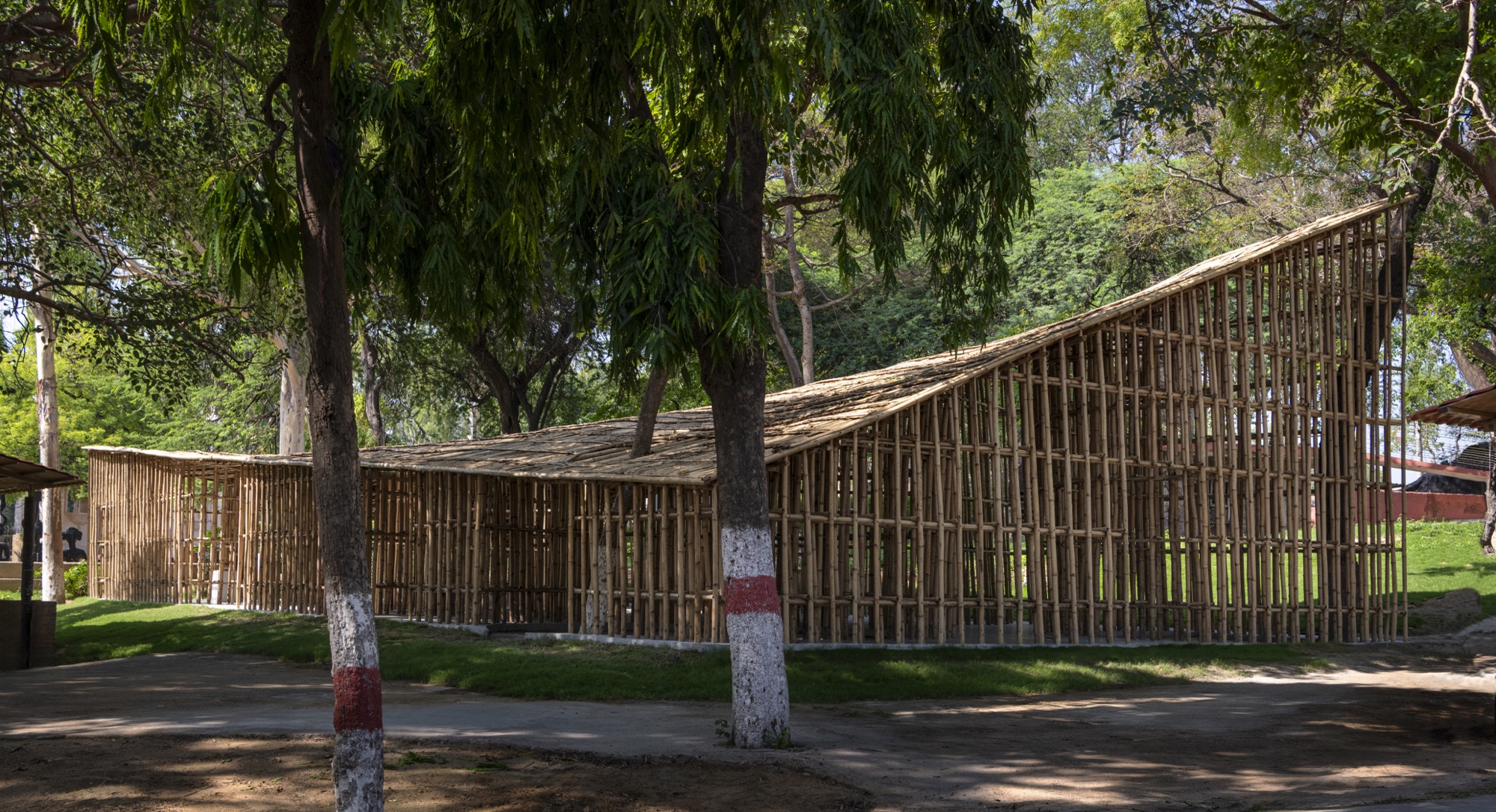
During this year’s event, the pavilion was used for handloom demonstrations by local craftspeople.
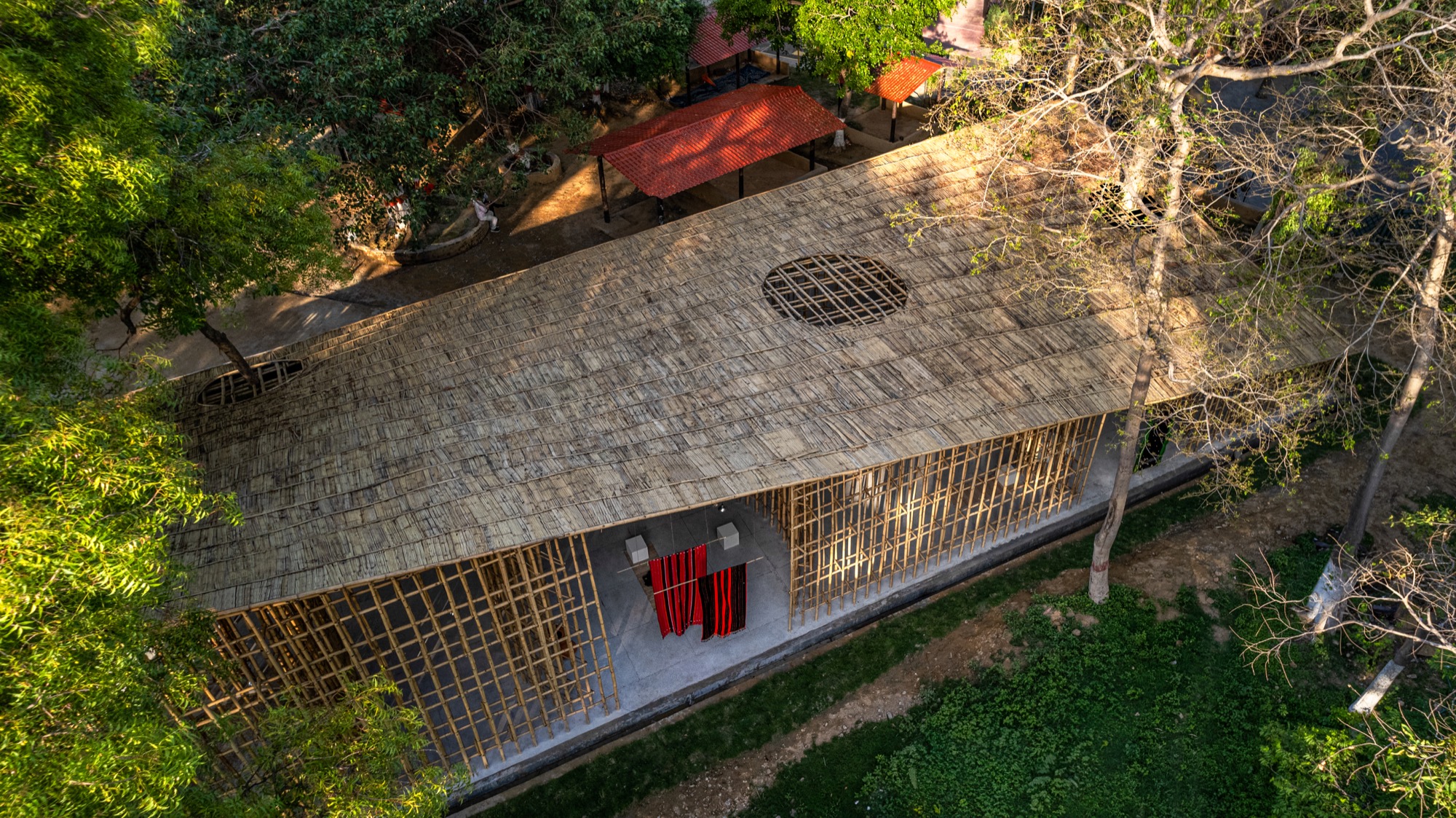
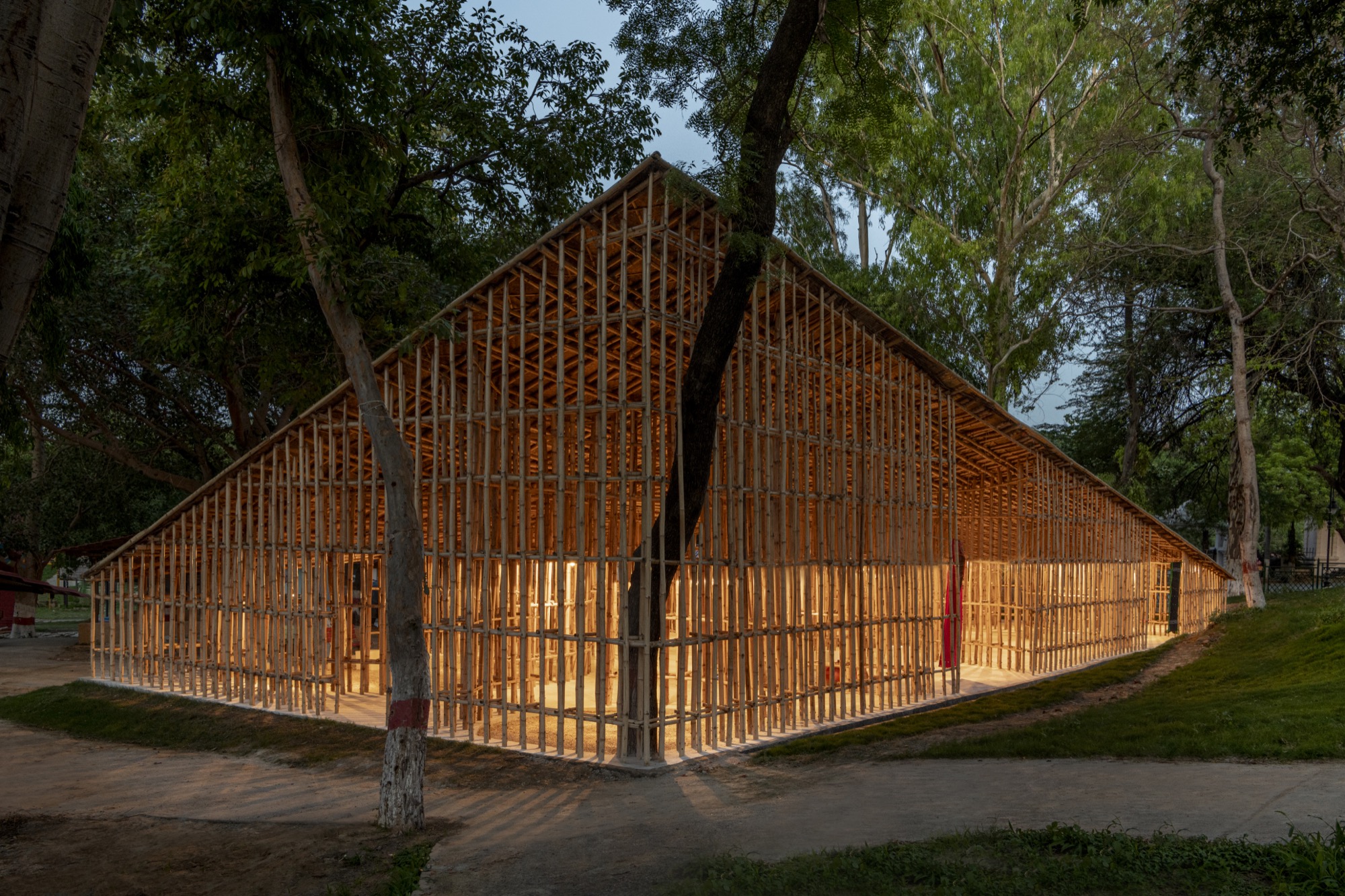
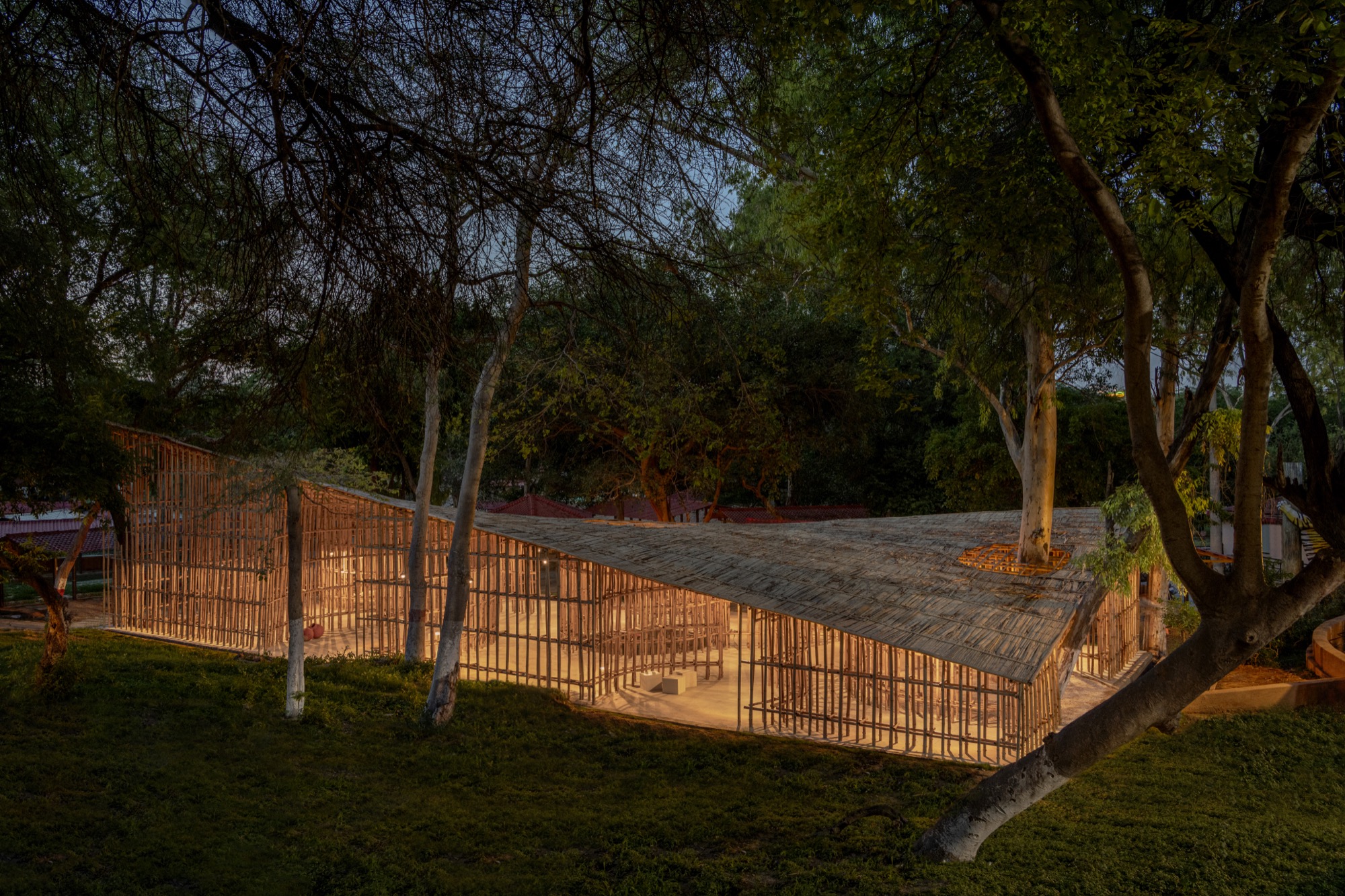
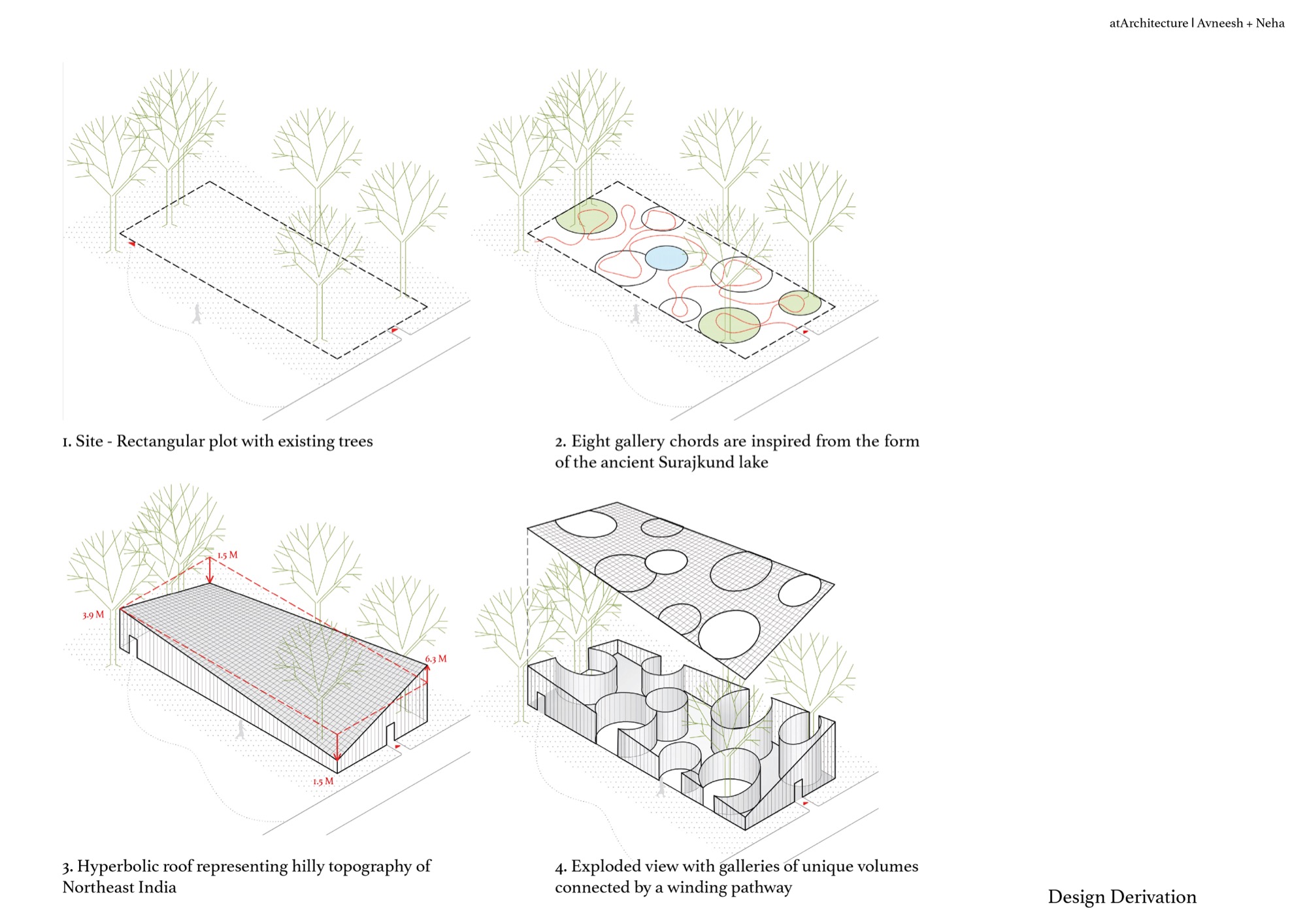
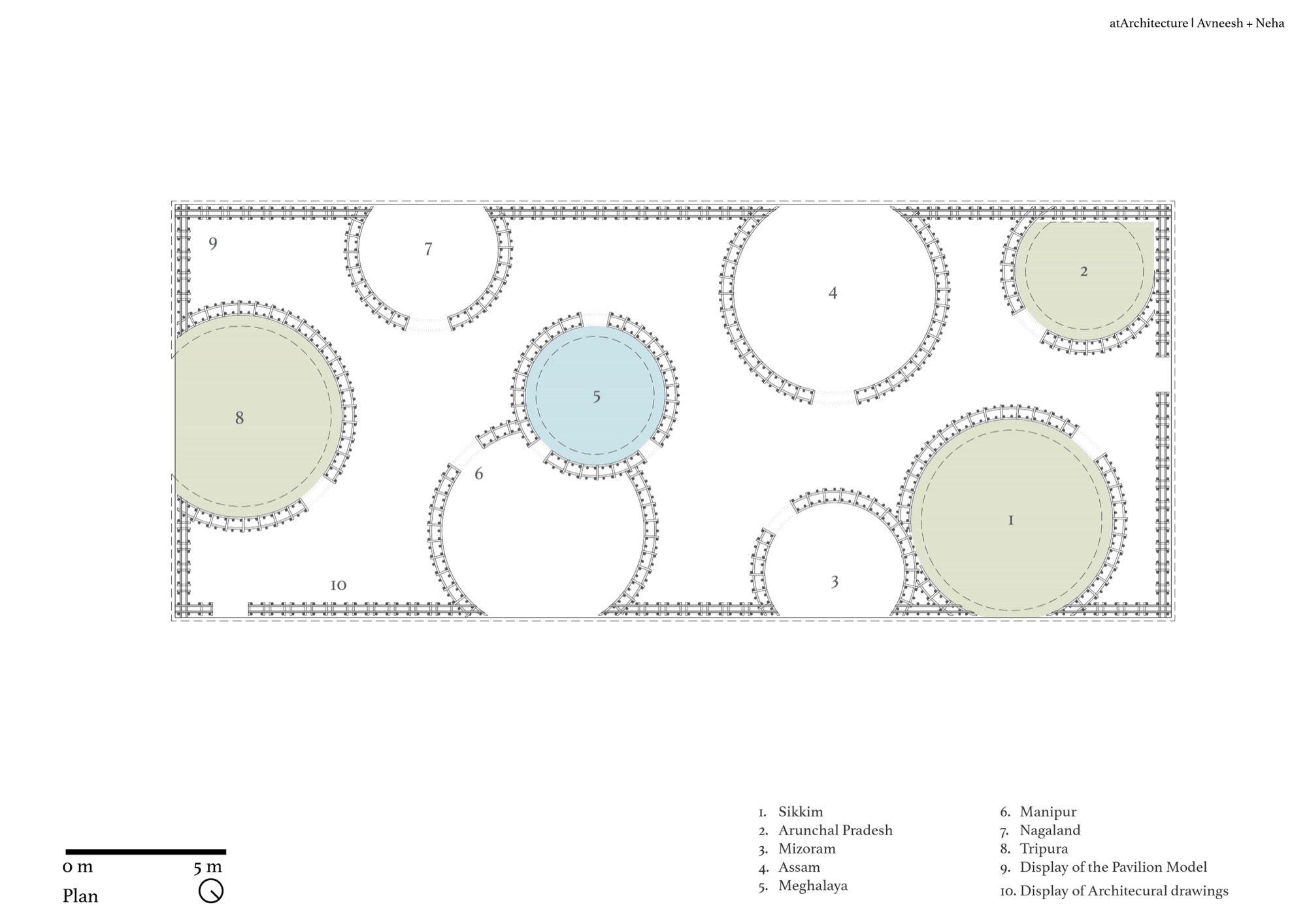
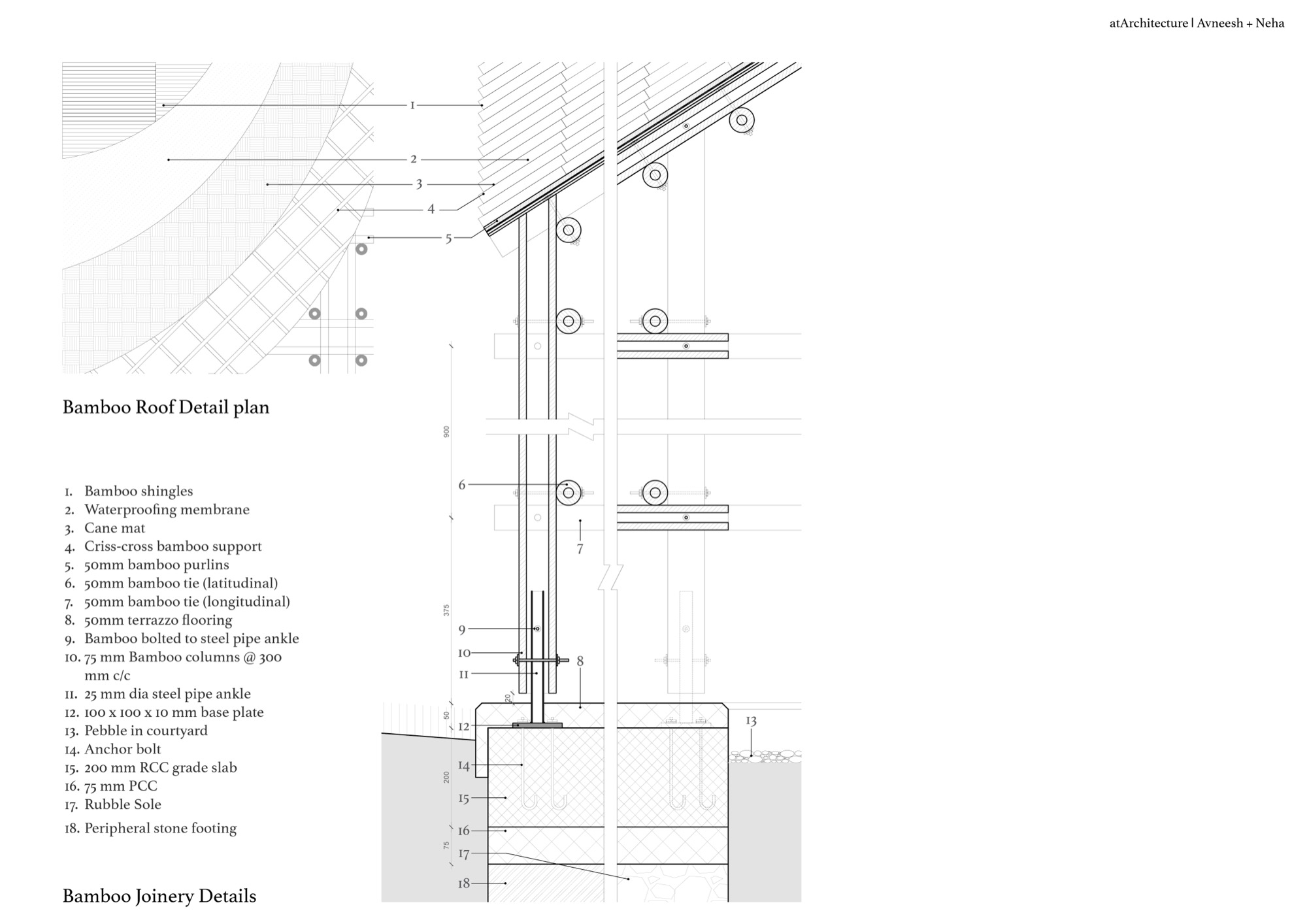
Northeast Pavilion has a rectangular form broken into eight cylindrical courtyards, intended to represent the northeast region’s eight states, which are Arunachal Pradesh, Assam, Manipur, Mizoram, Nagaland, Tripura, Sikkim and Meghalaya. With most households in the region weaving their clothes at home, the handloom was used as a reference throughout the design. This includes the use of bamboo for the pavilion’s structure, which makes a direct reference to the materiality of Indian handlooms.
Bamboo was also chosen as it is a traditional construction material in this region of India.
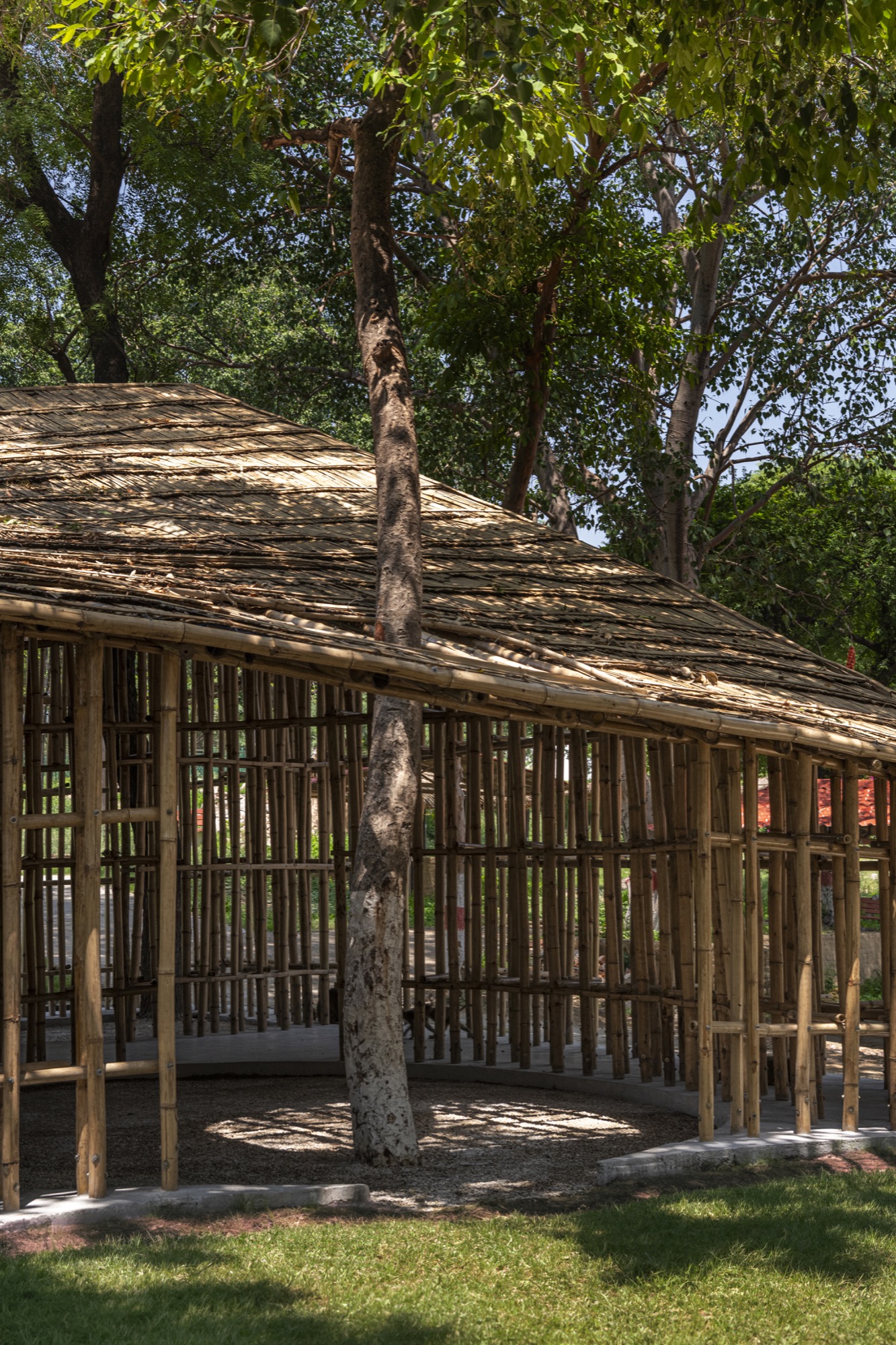
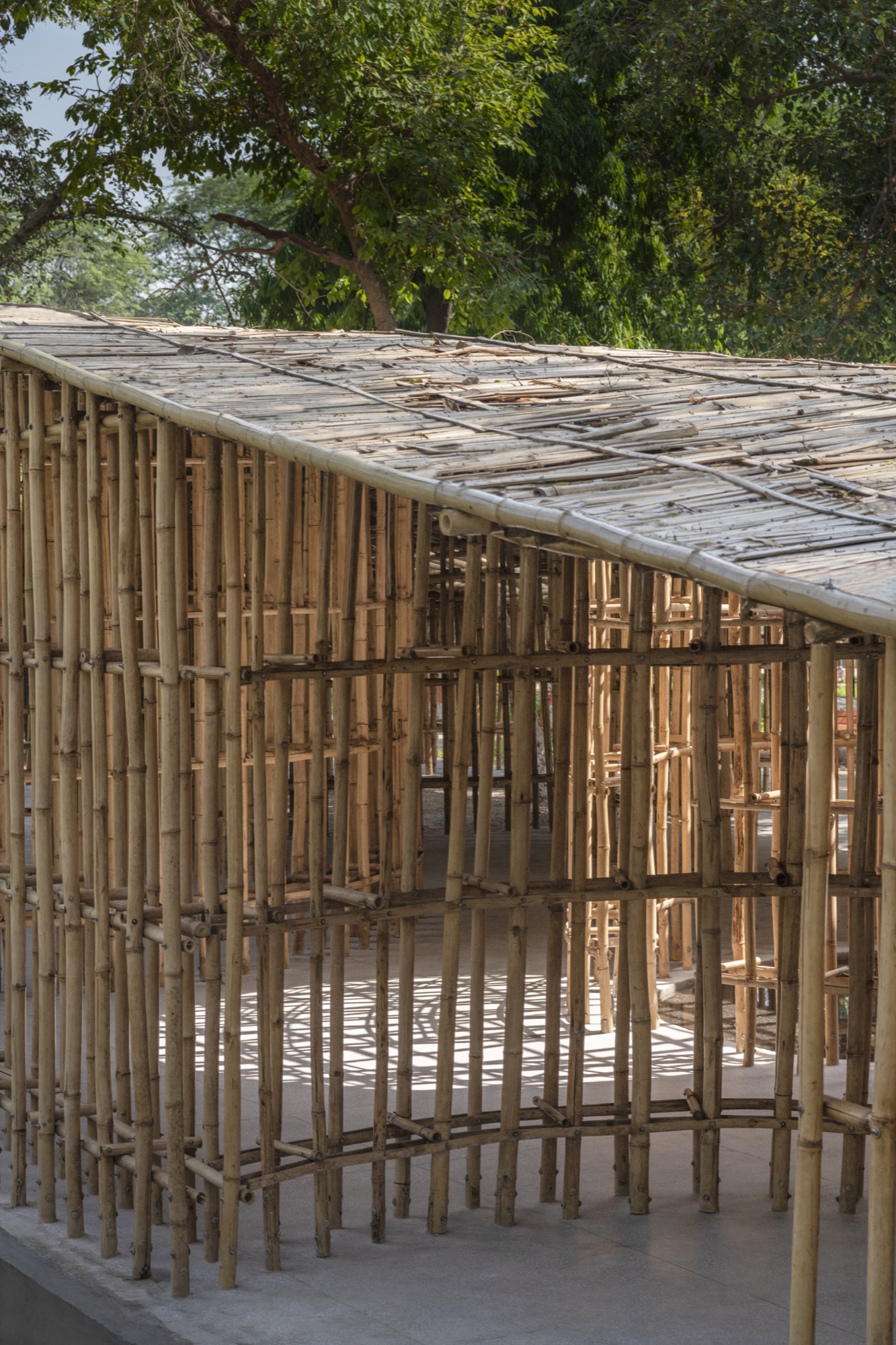
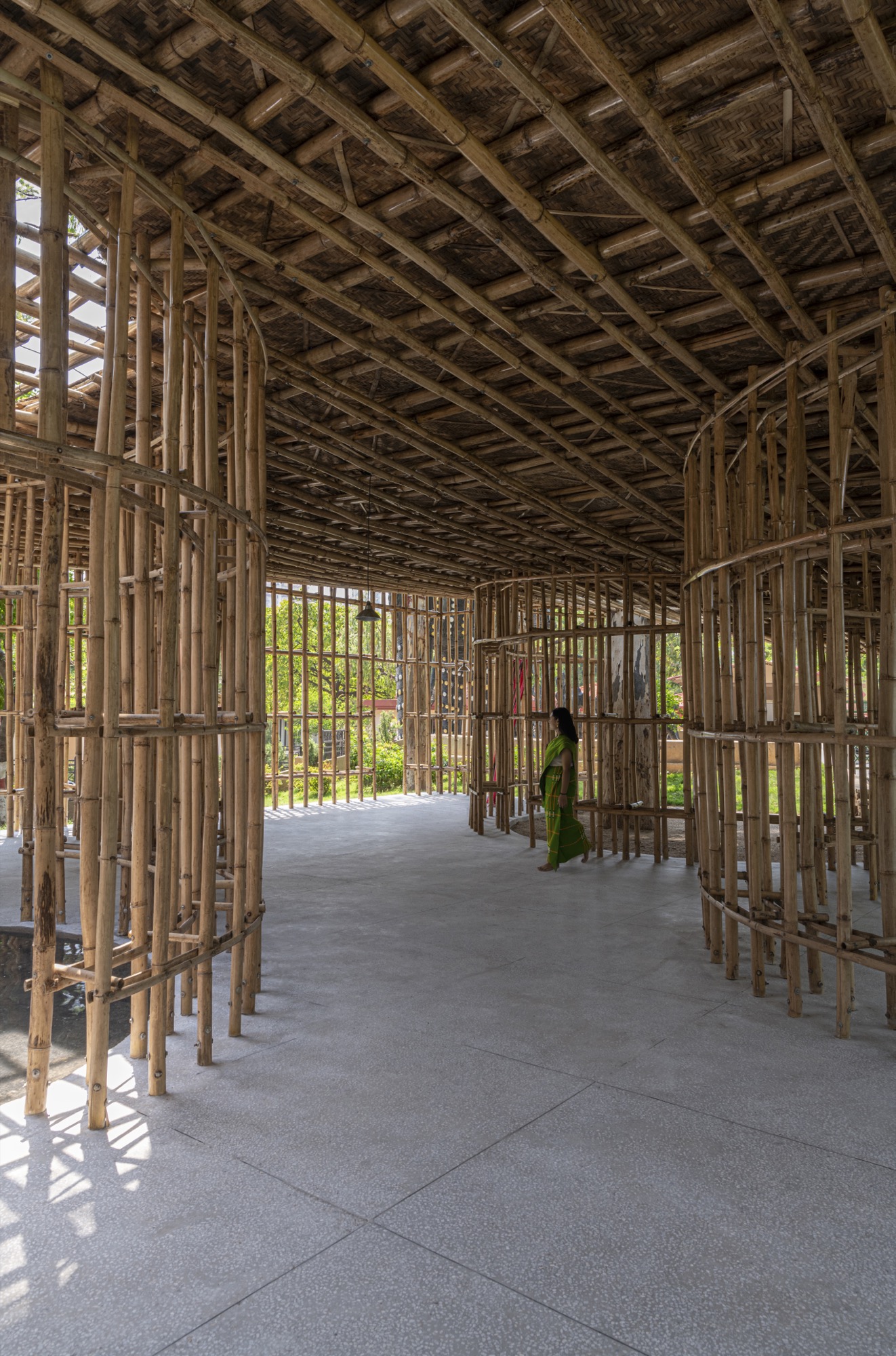
The architecture celebrates the tradition of local bamboo construction prevalent in almost all these states, and is built by skilled craftsmen from the region. The biggest challenge was to build the pavilion within a 60 day timeframe. This included time to source bamboo, travel for 90 craftsmen to reach the site and the building of the pavilion. The details of the bamboo joinery were developed with the help of the artisans, while many design integration decisions were made on site as the building was being constructed, with an emphasis on local collaboration and craftsmanship.
AtArchitecture
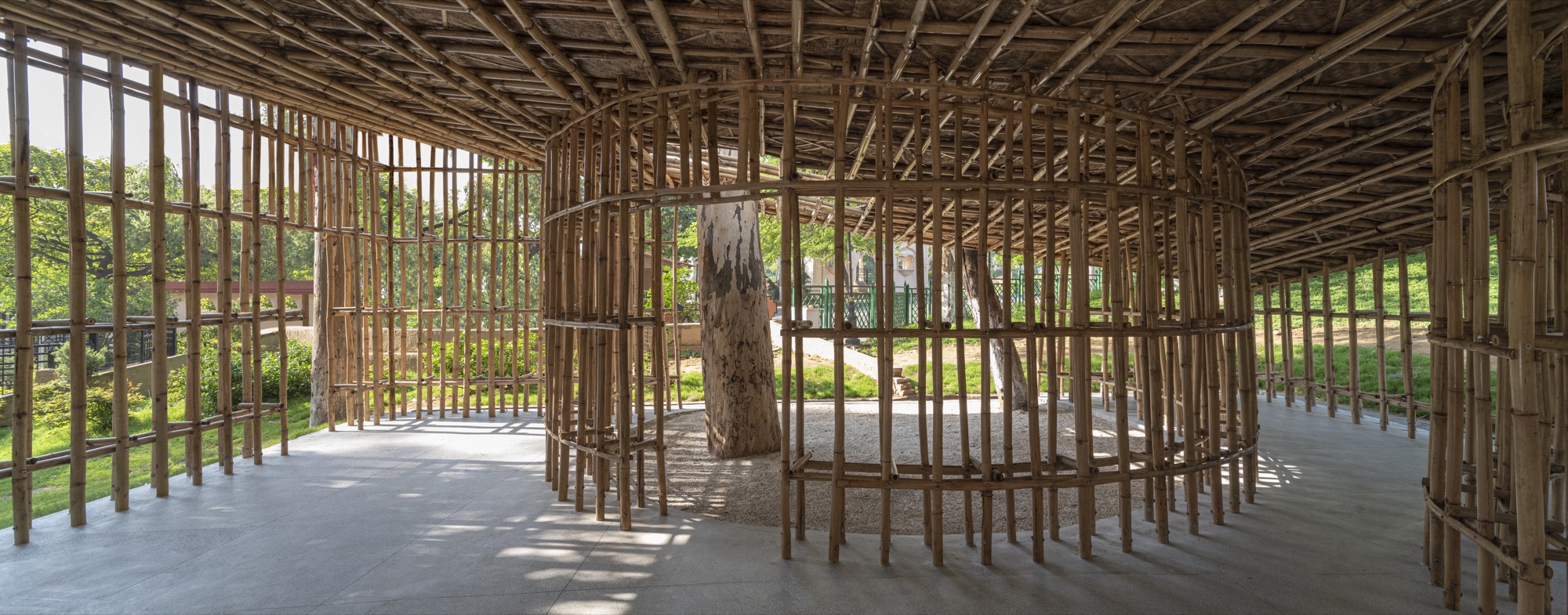
The simple and legible design makes it accessible to local and international visitors, with the meandering path through the pavilion allowing it to become a natural extension of the 100-acre fairgrounds.
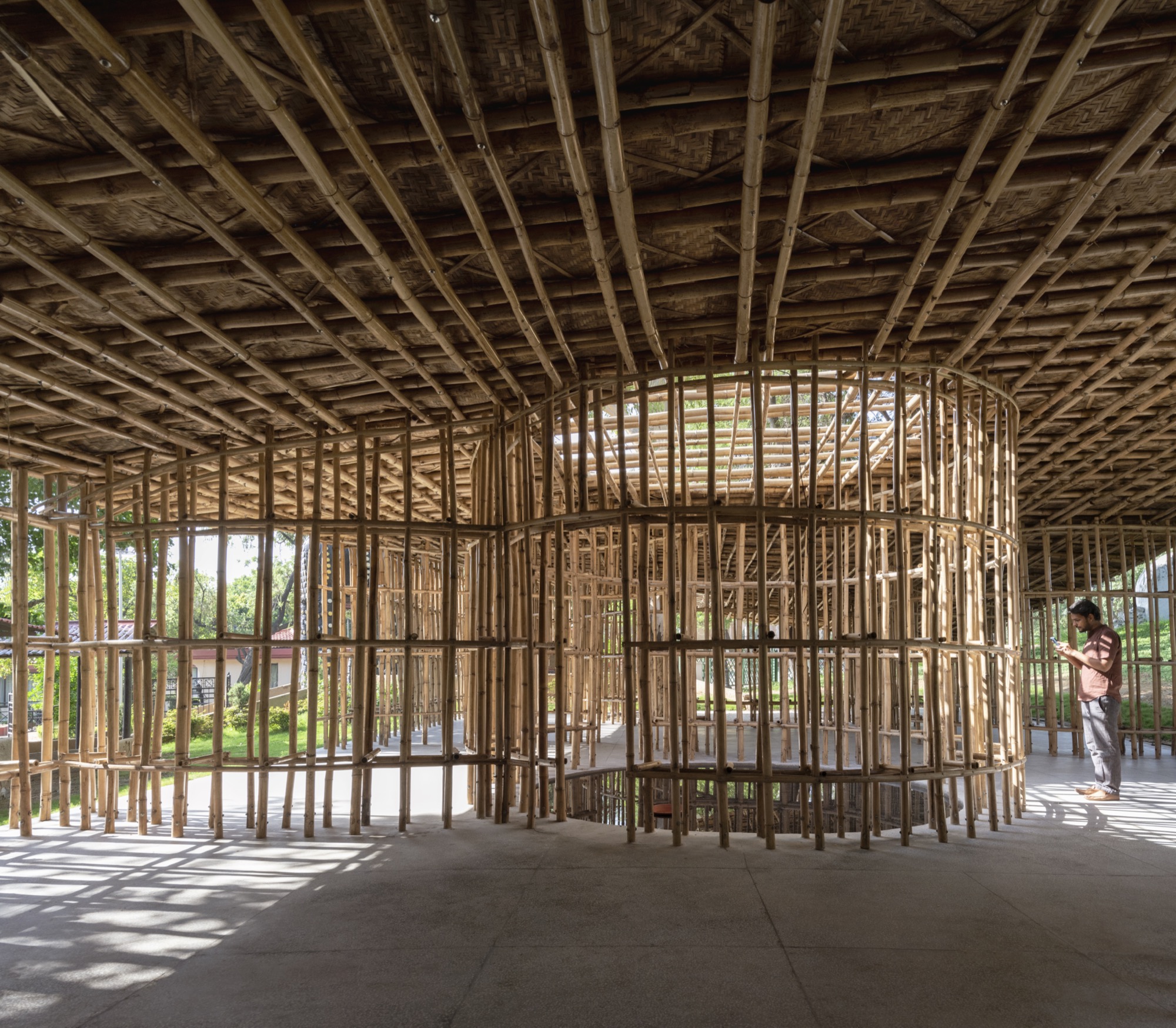
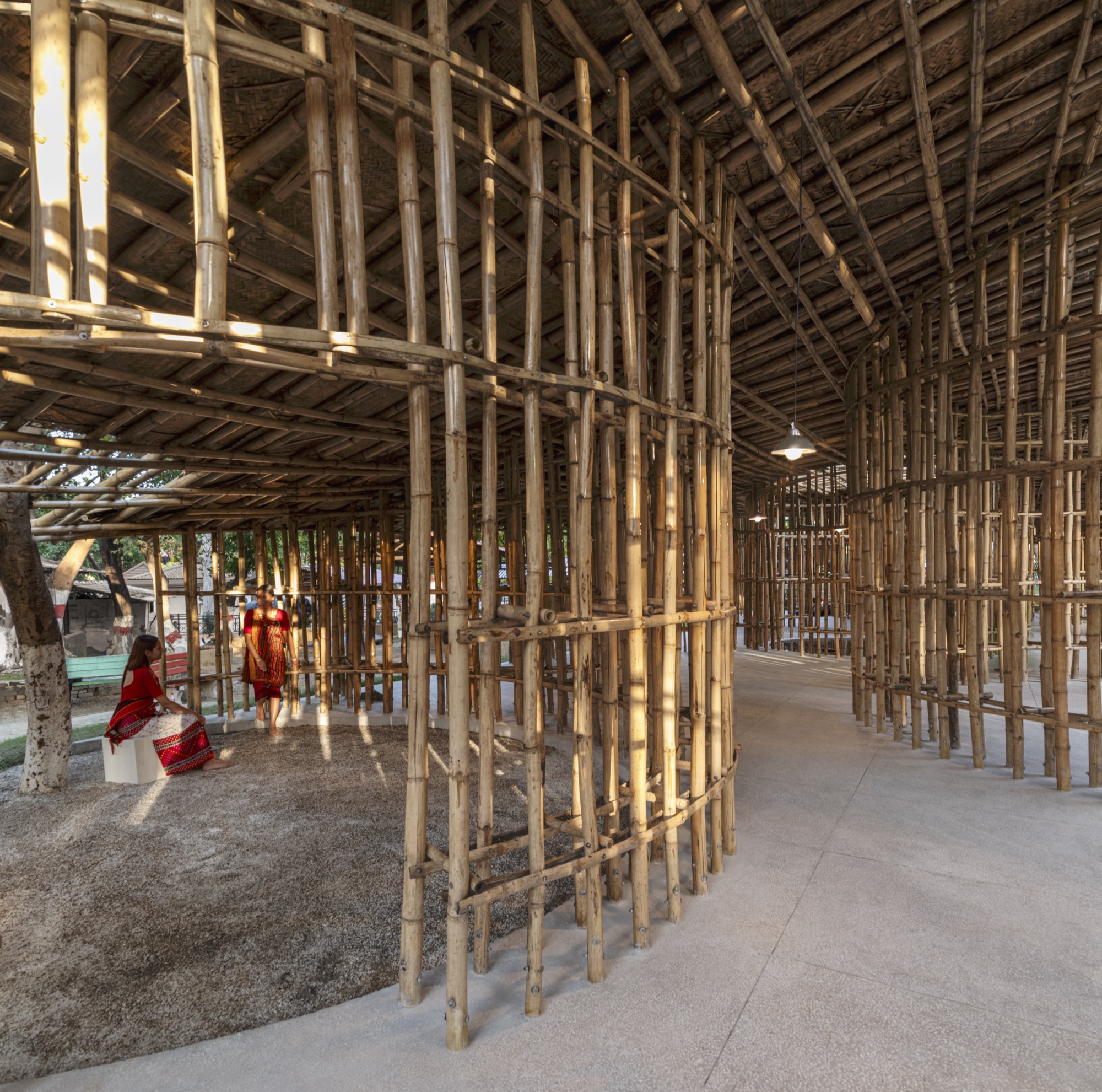
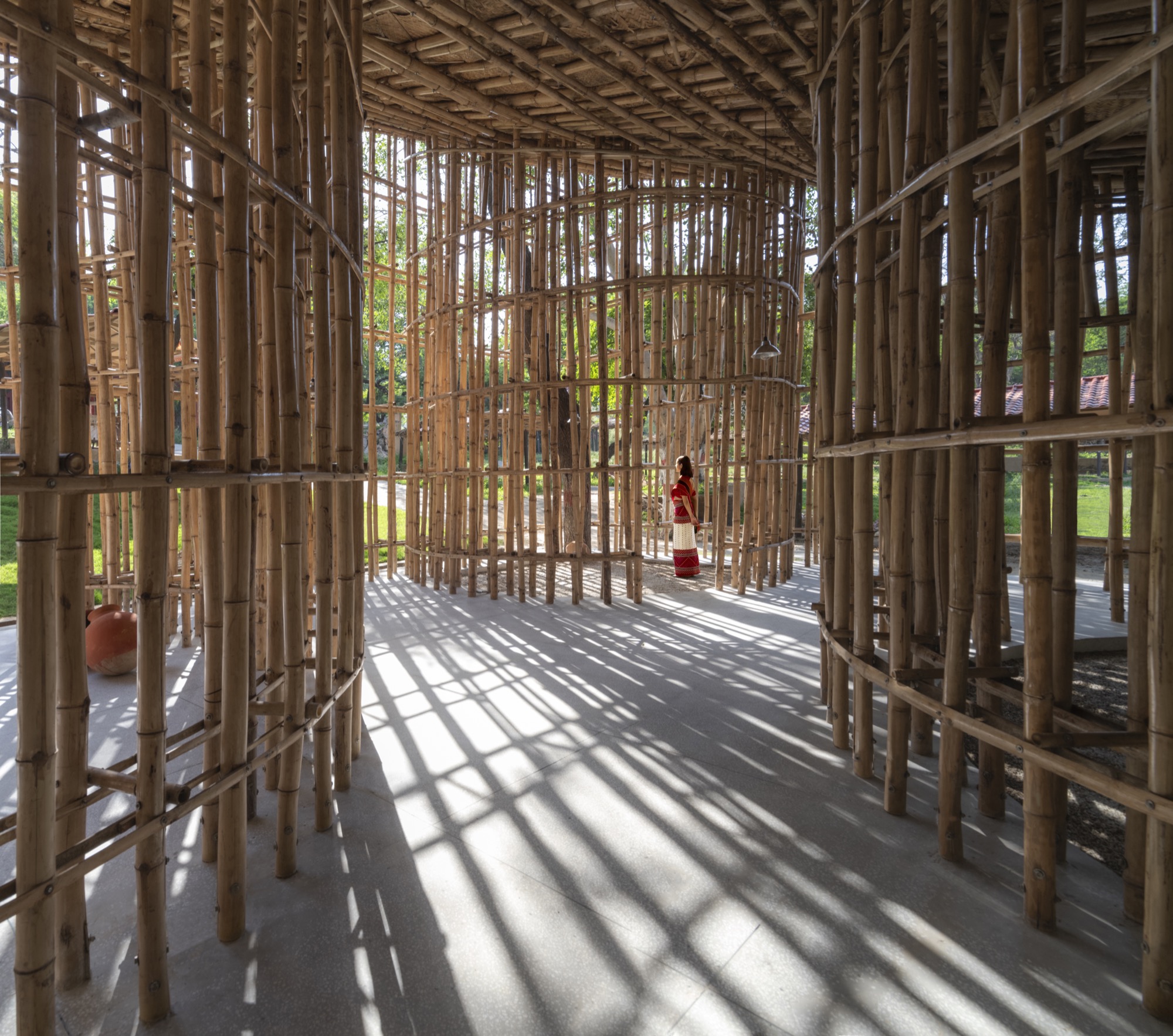
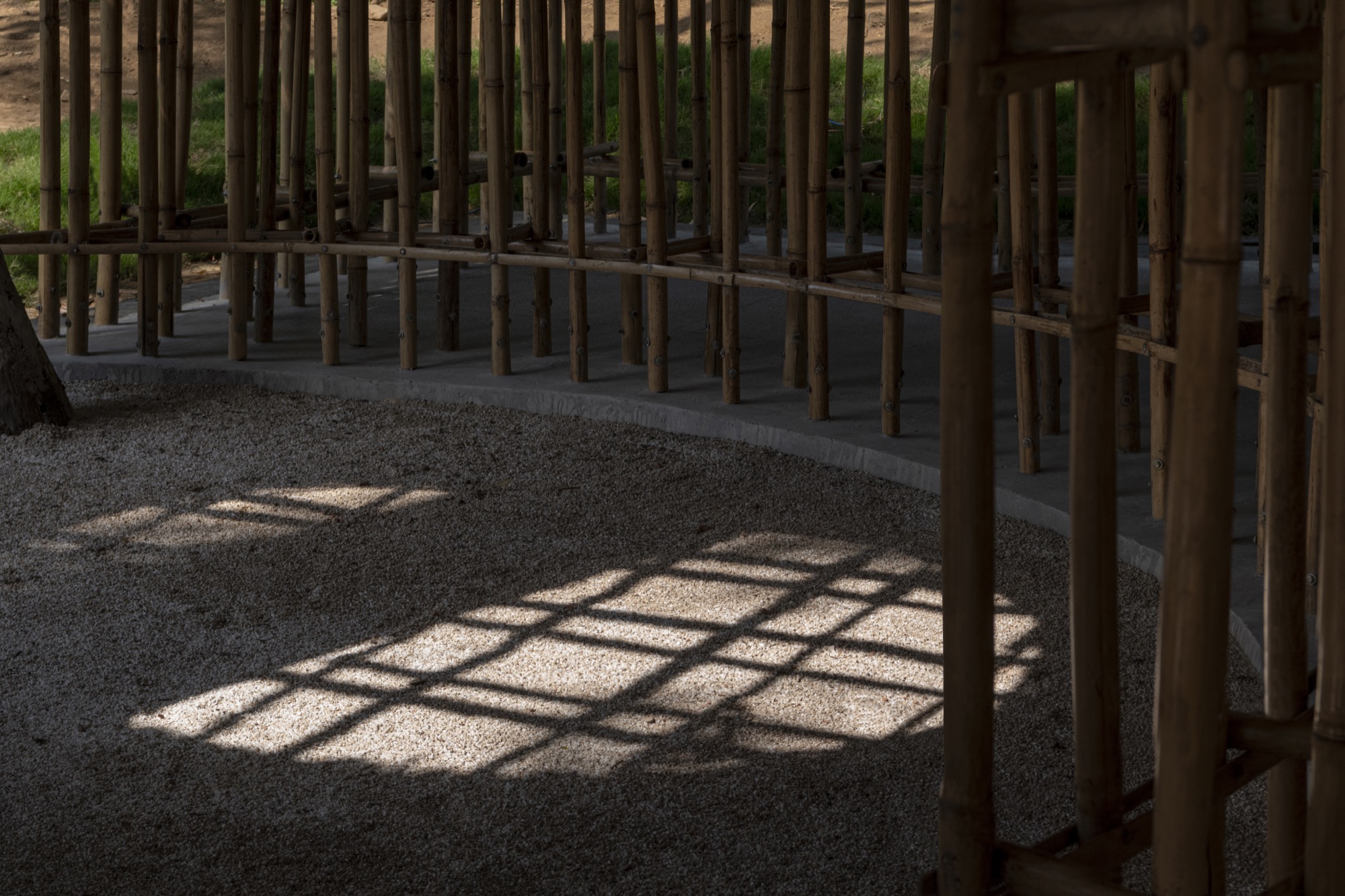
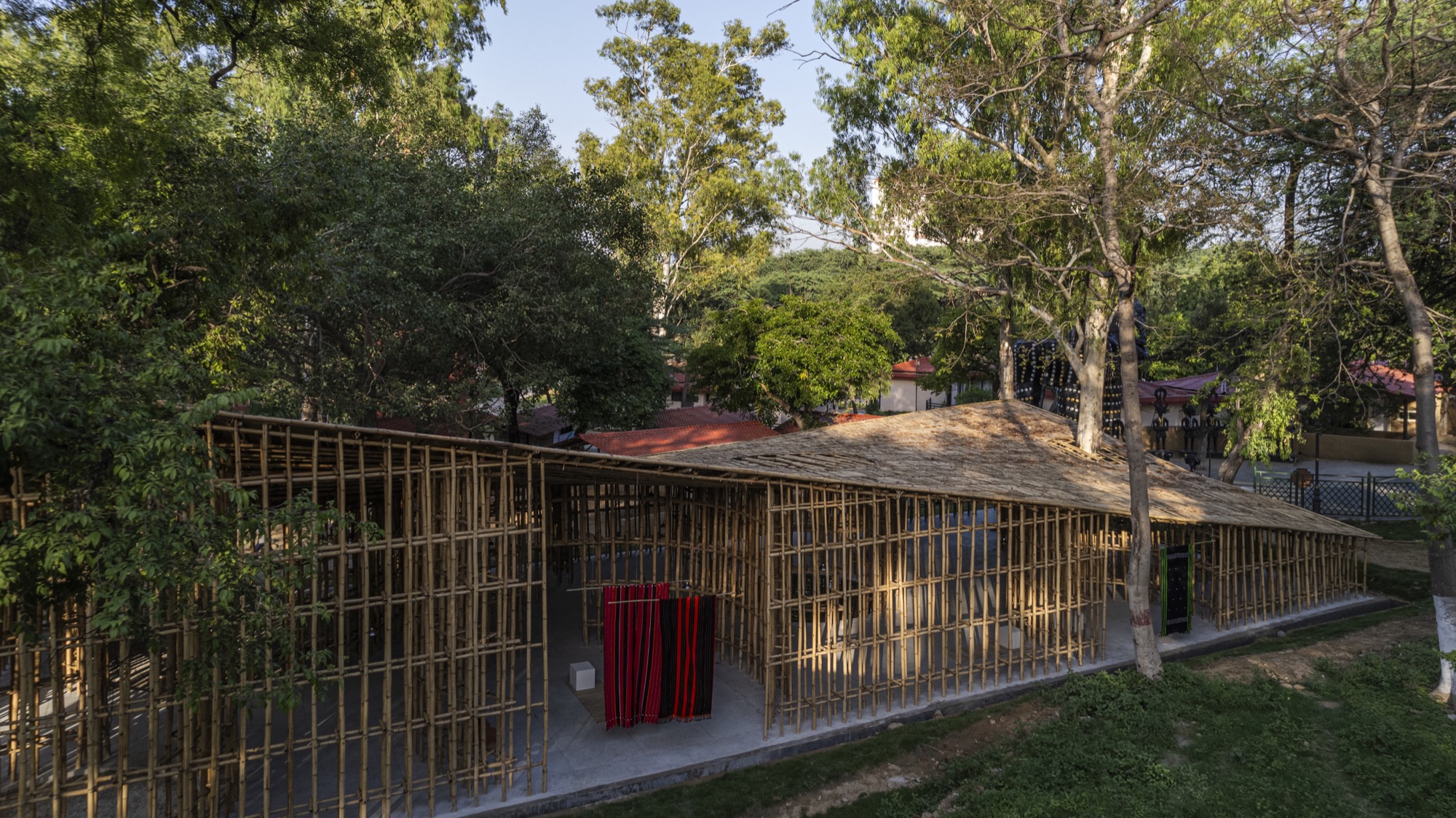
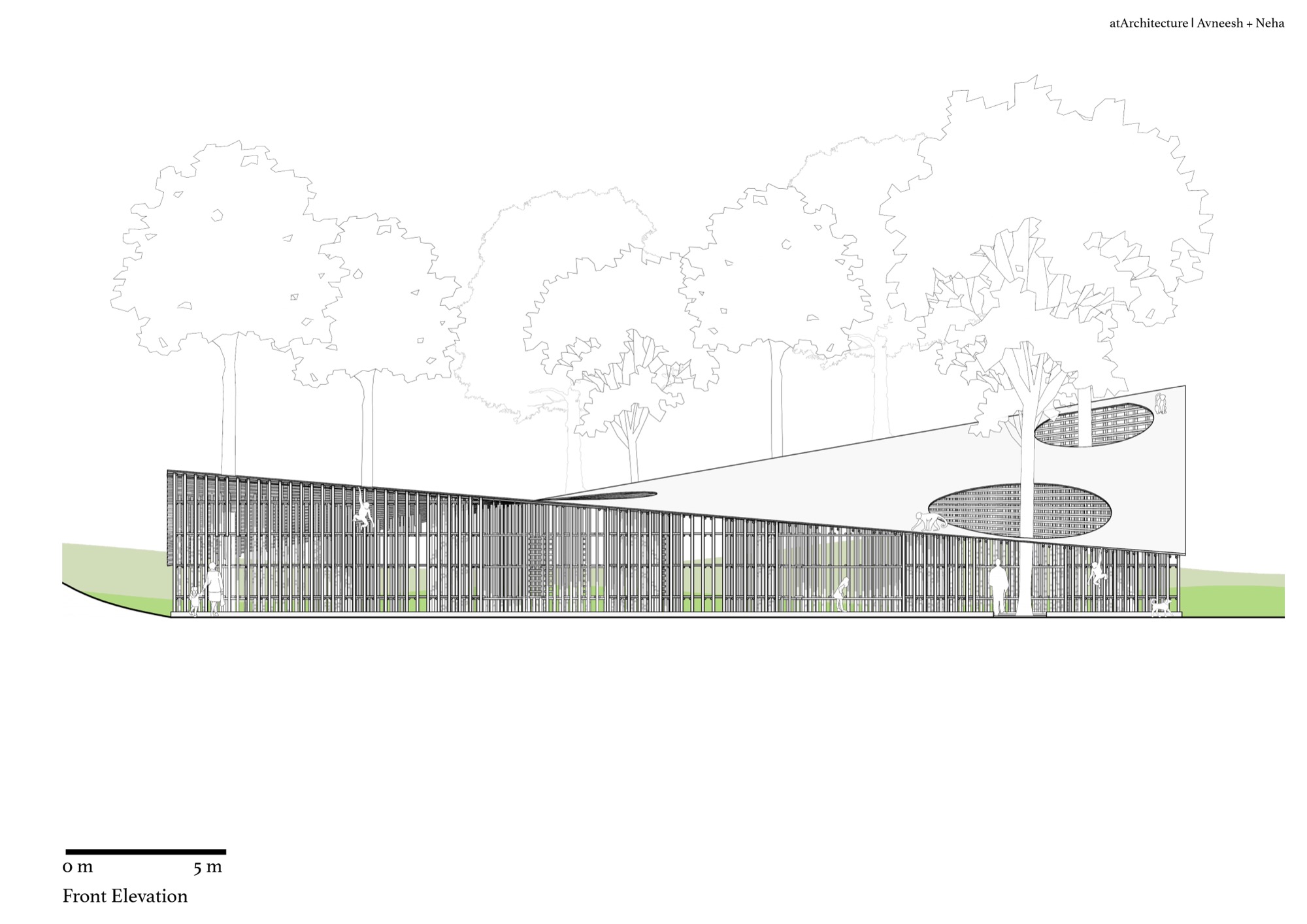
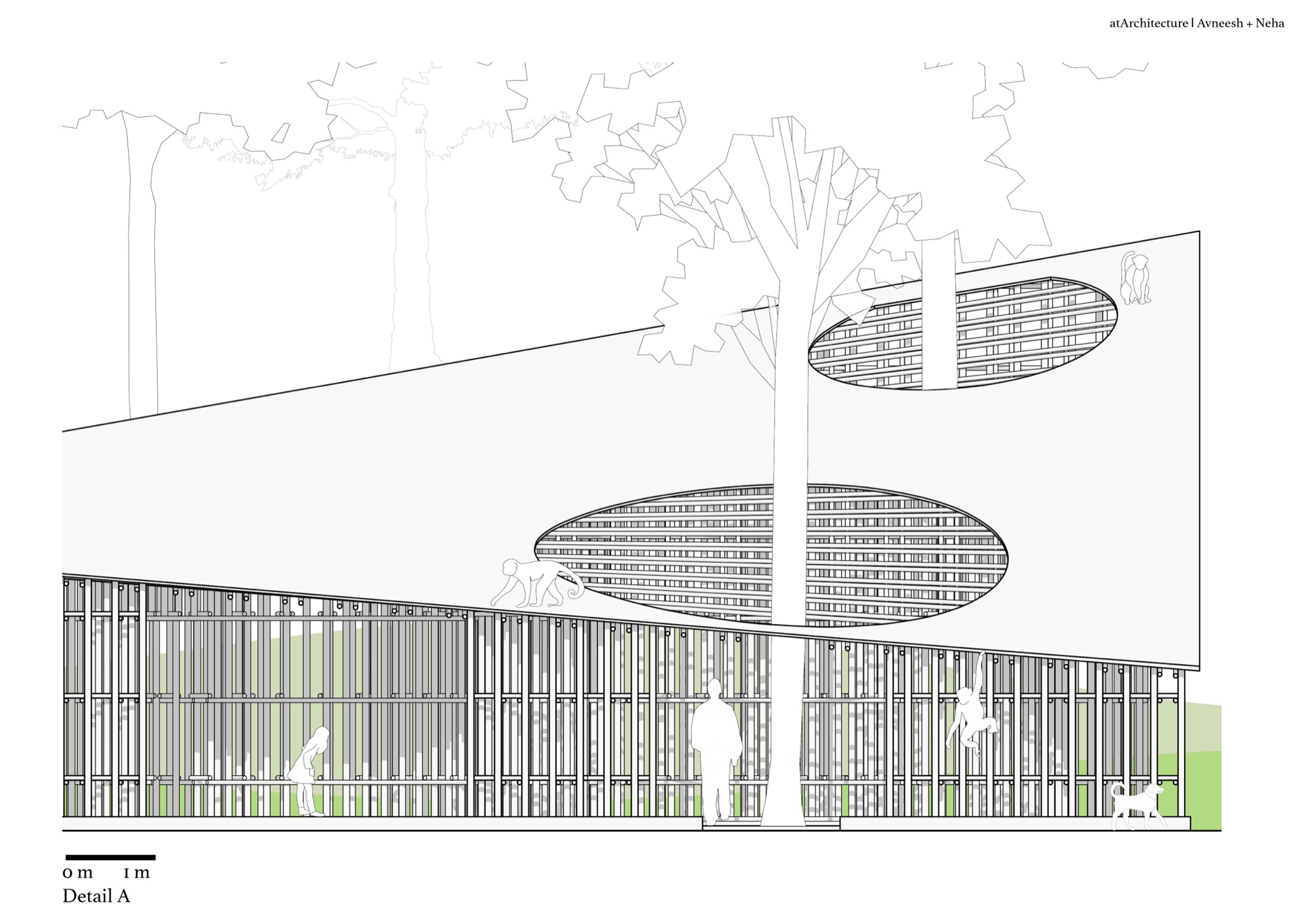
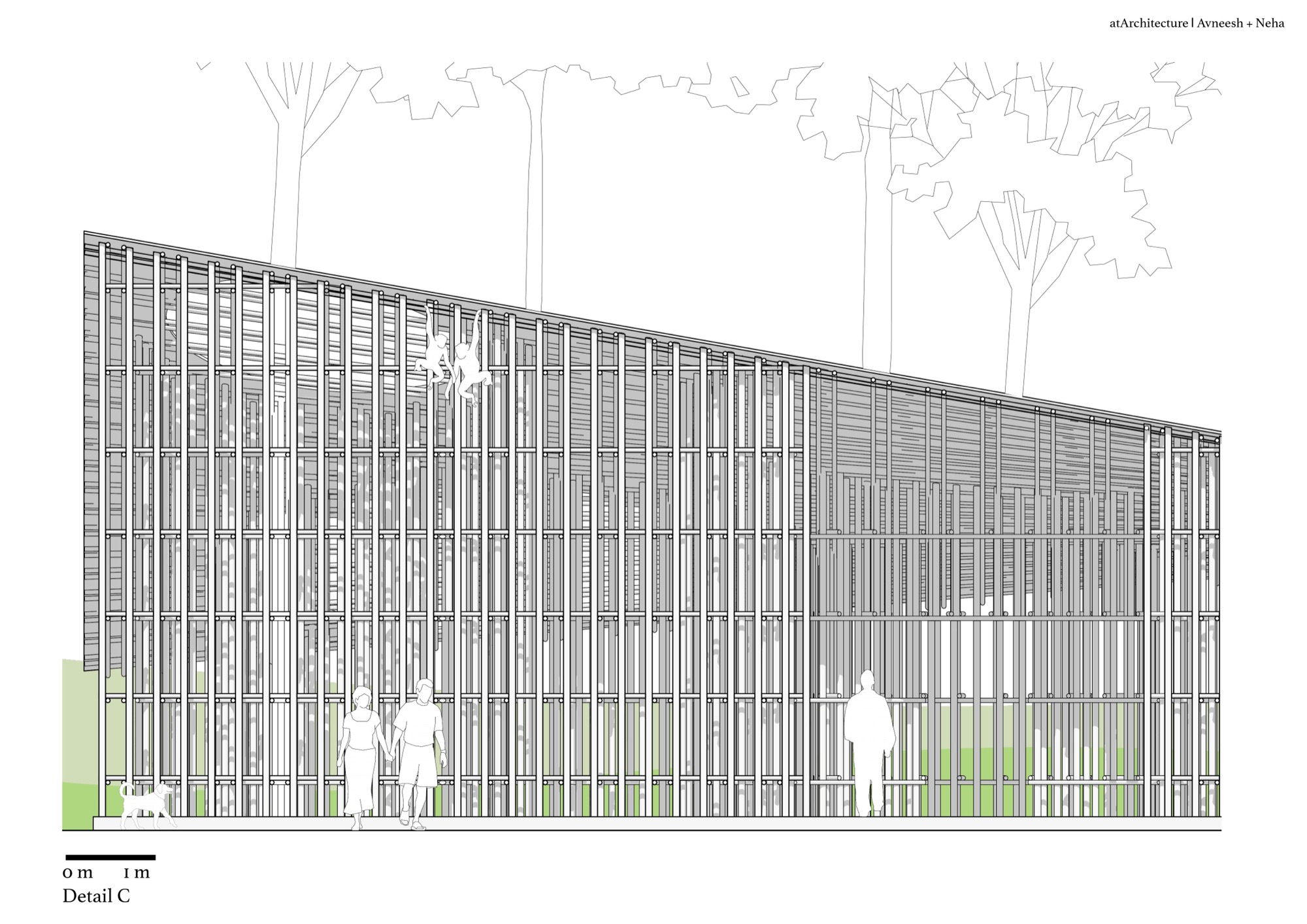
The lightness of the structure is balanced by concentrated layers of space lattice. The open and permeable design of the space blurs the boundaries between the pavilion and the surrounding nature.
More photos
Photo
SuryanDang , Avneesh Tiwari