
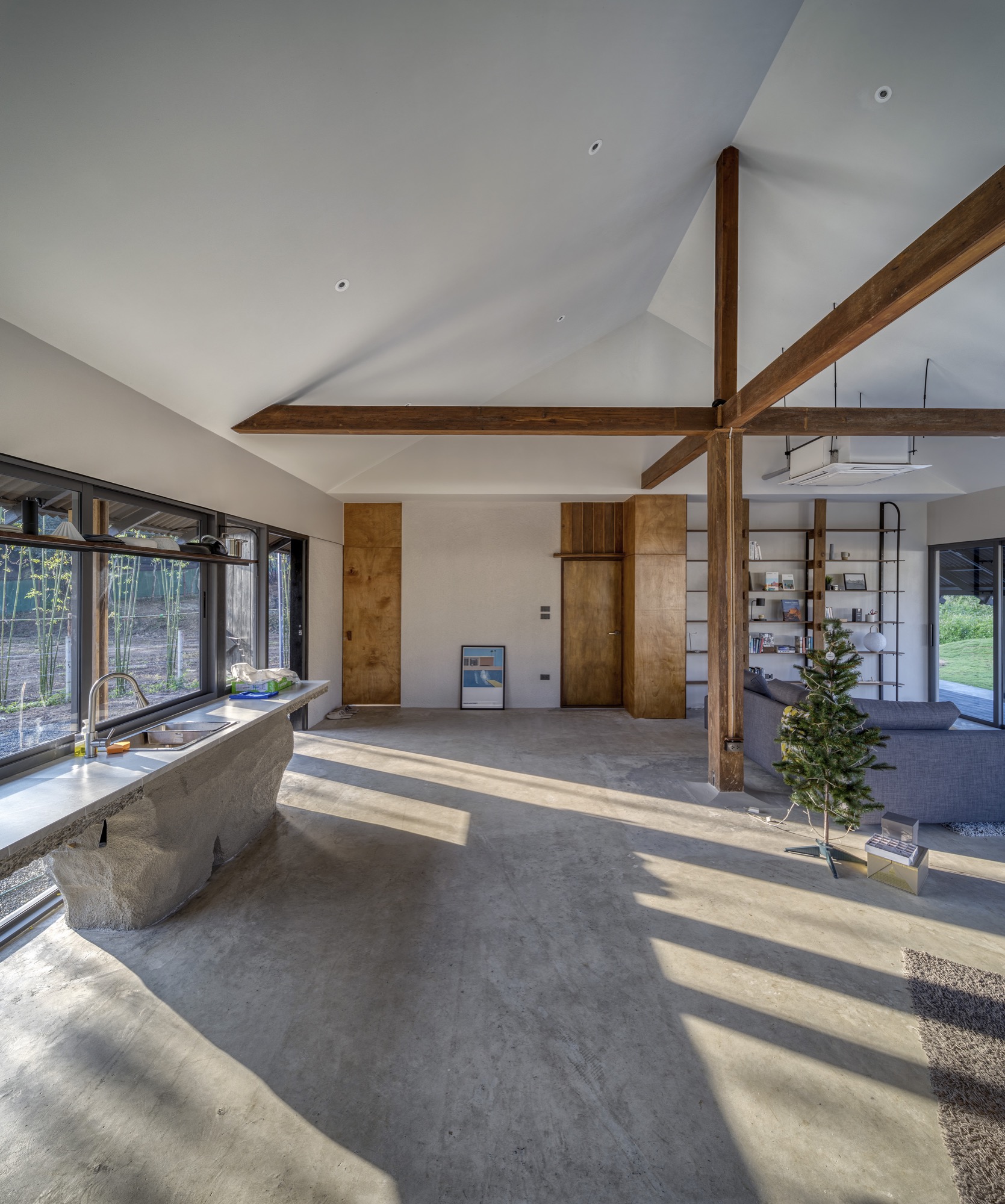
This project by Housescape Design Lab stands out for its handcrafted construction, employing local tectonics for almost every aspect of the building’s production process. A conscious effort was made to minimize material imports, aligning with the basic principles of ethical labor discussed with the client. The challenge posed at the project’s initiation was how to seamlessly integrate the building with its expansive natural surroundings in Mae Rim District, just 20 kilometers from Chiang Mai City, Thailand.
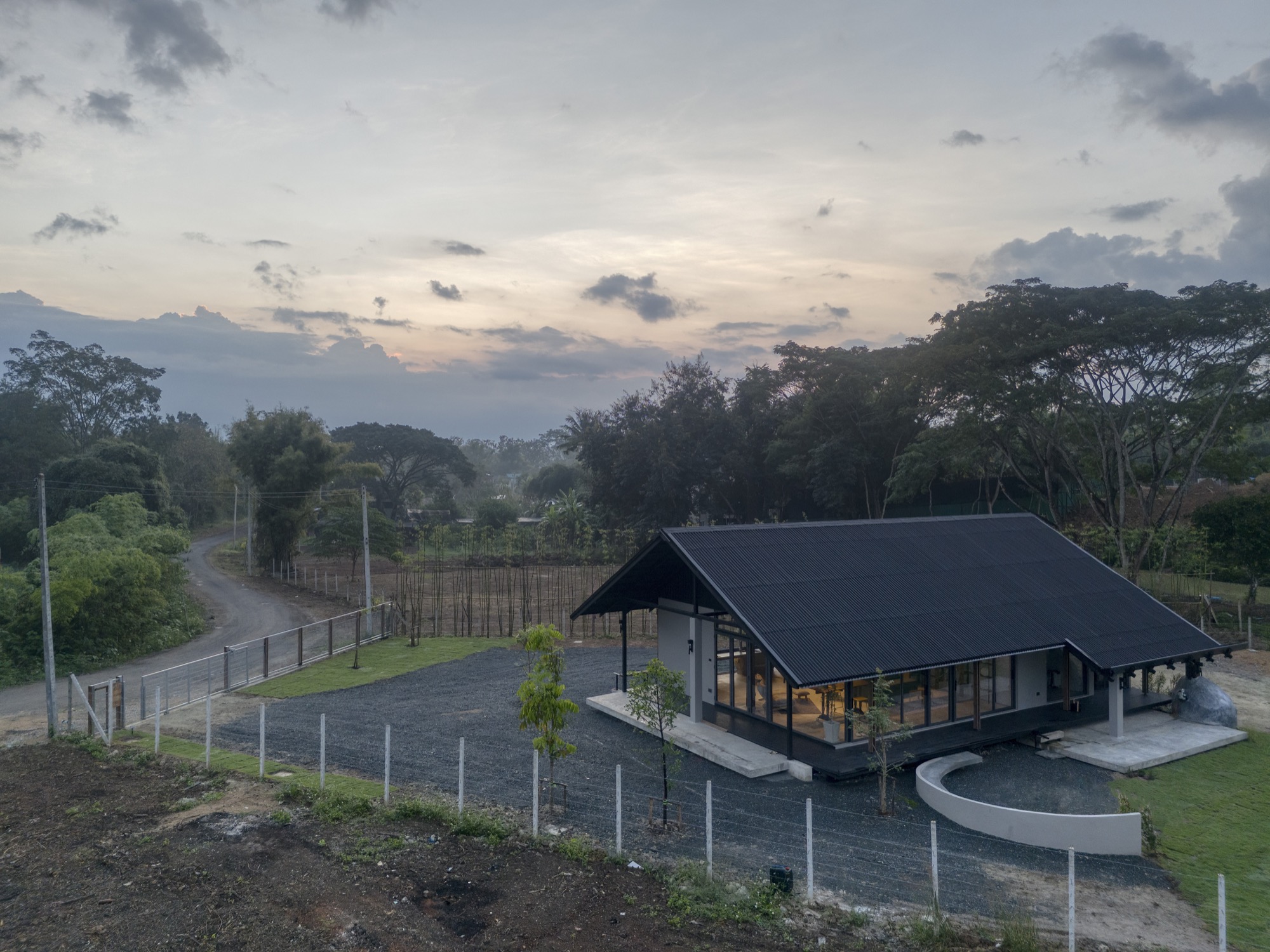
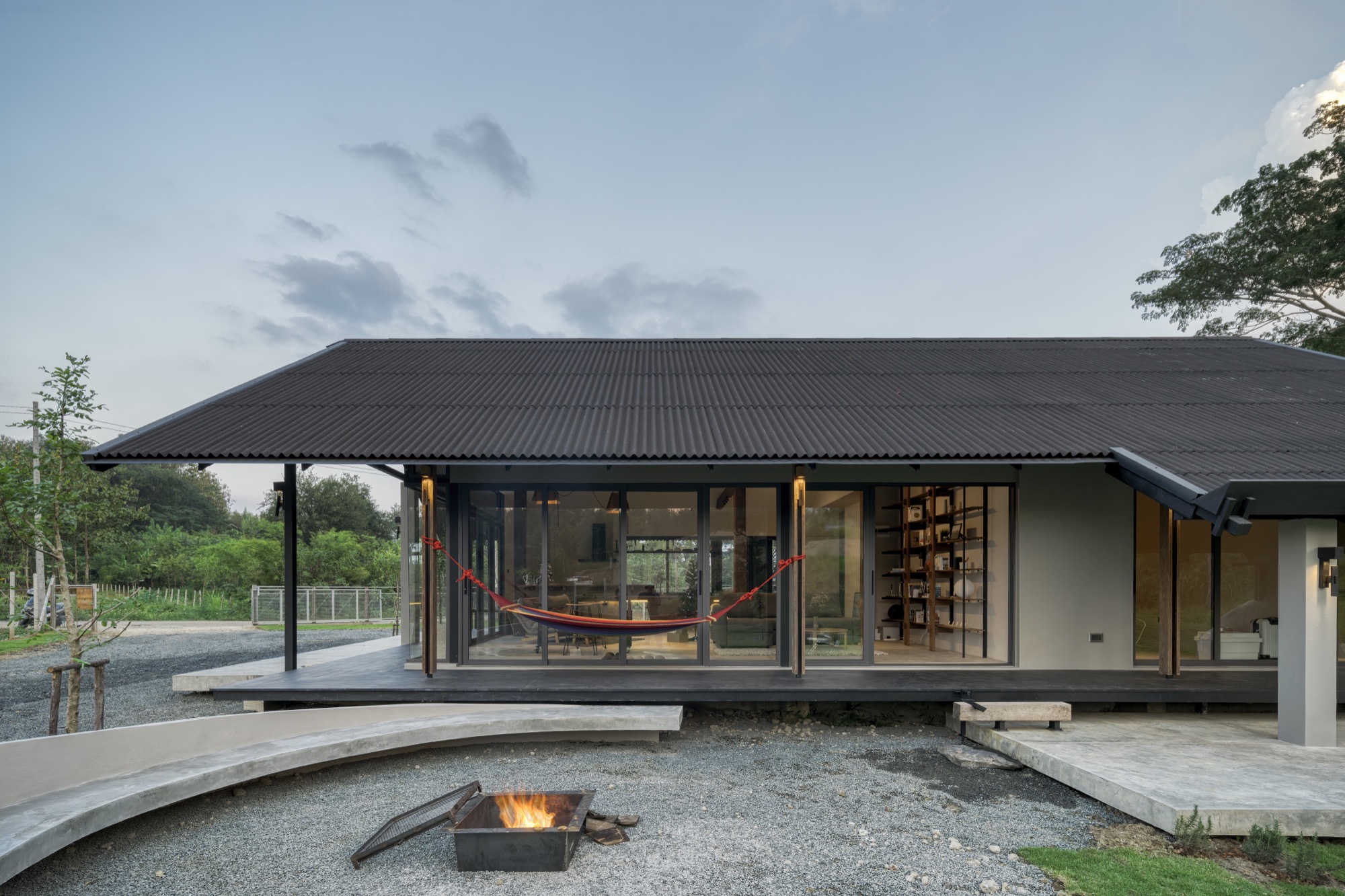
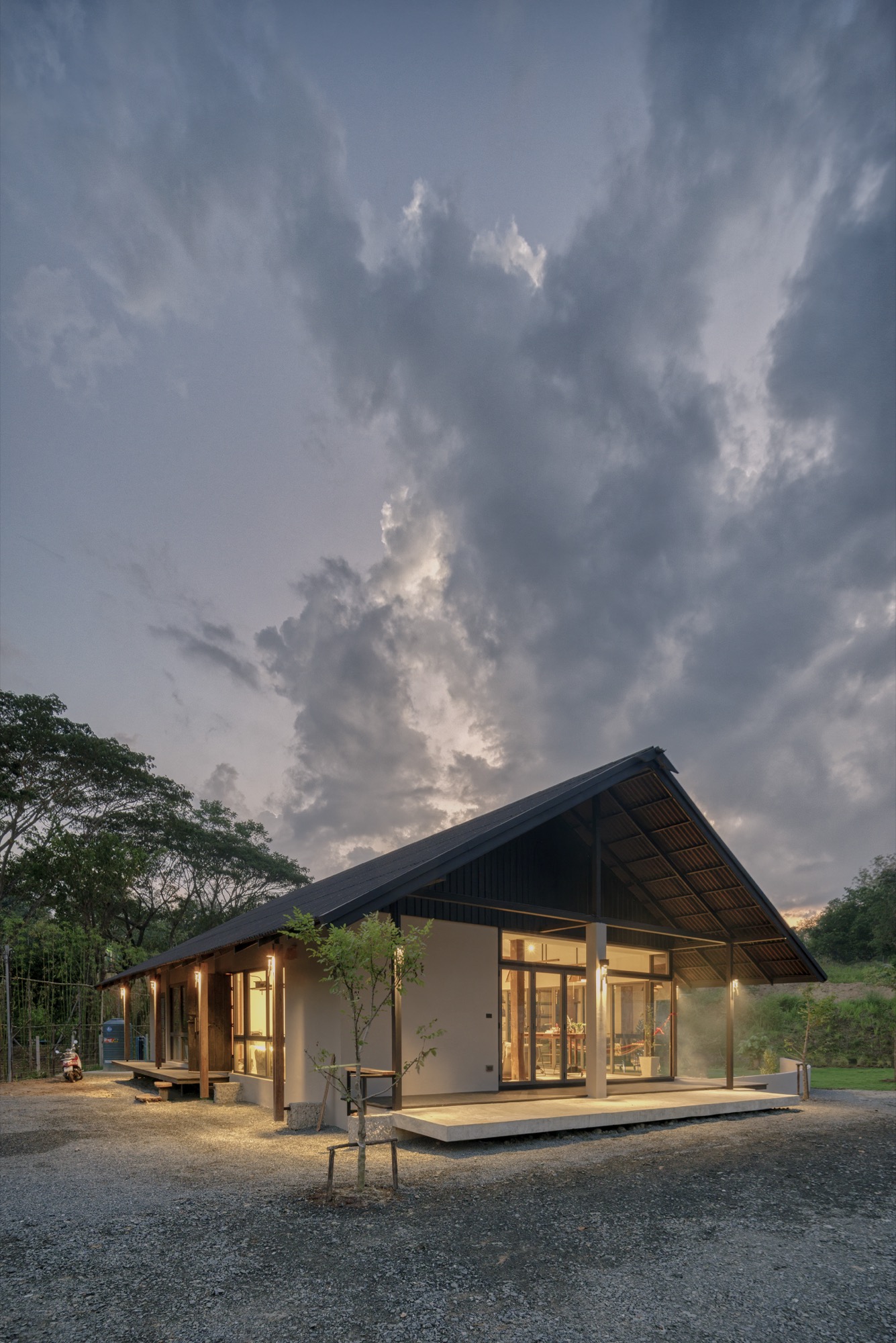
The orientation of the building is designed so that half of the daily activities are connected to the shore overlooking the lake, both in terms of practical use. And in terms of the perception experience, both the sight and the smell of the steam and humidity that can be felt in homes near water sources.
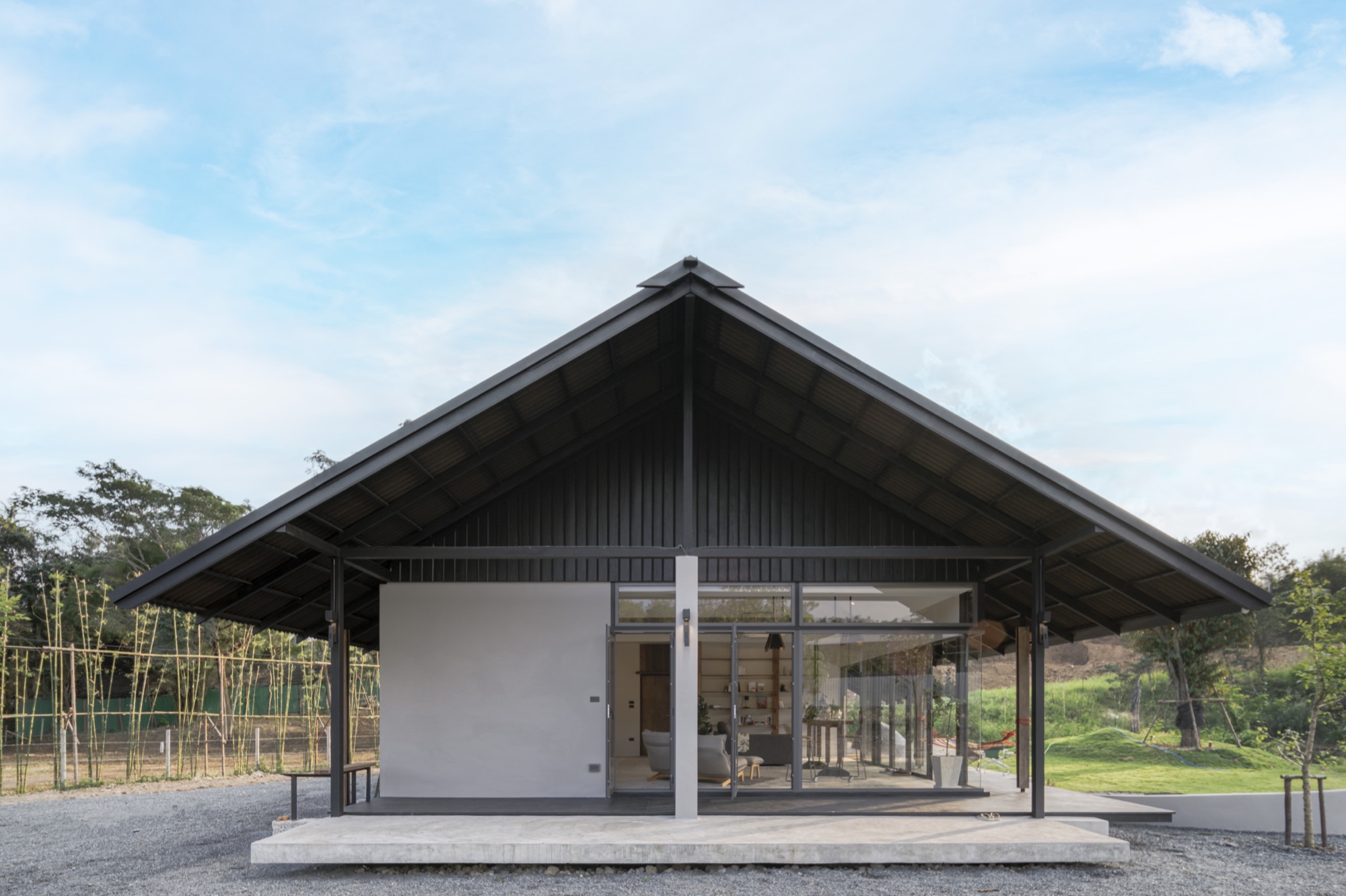
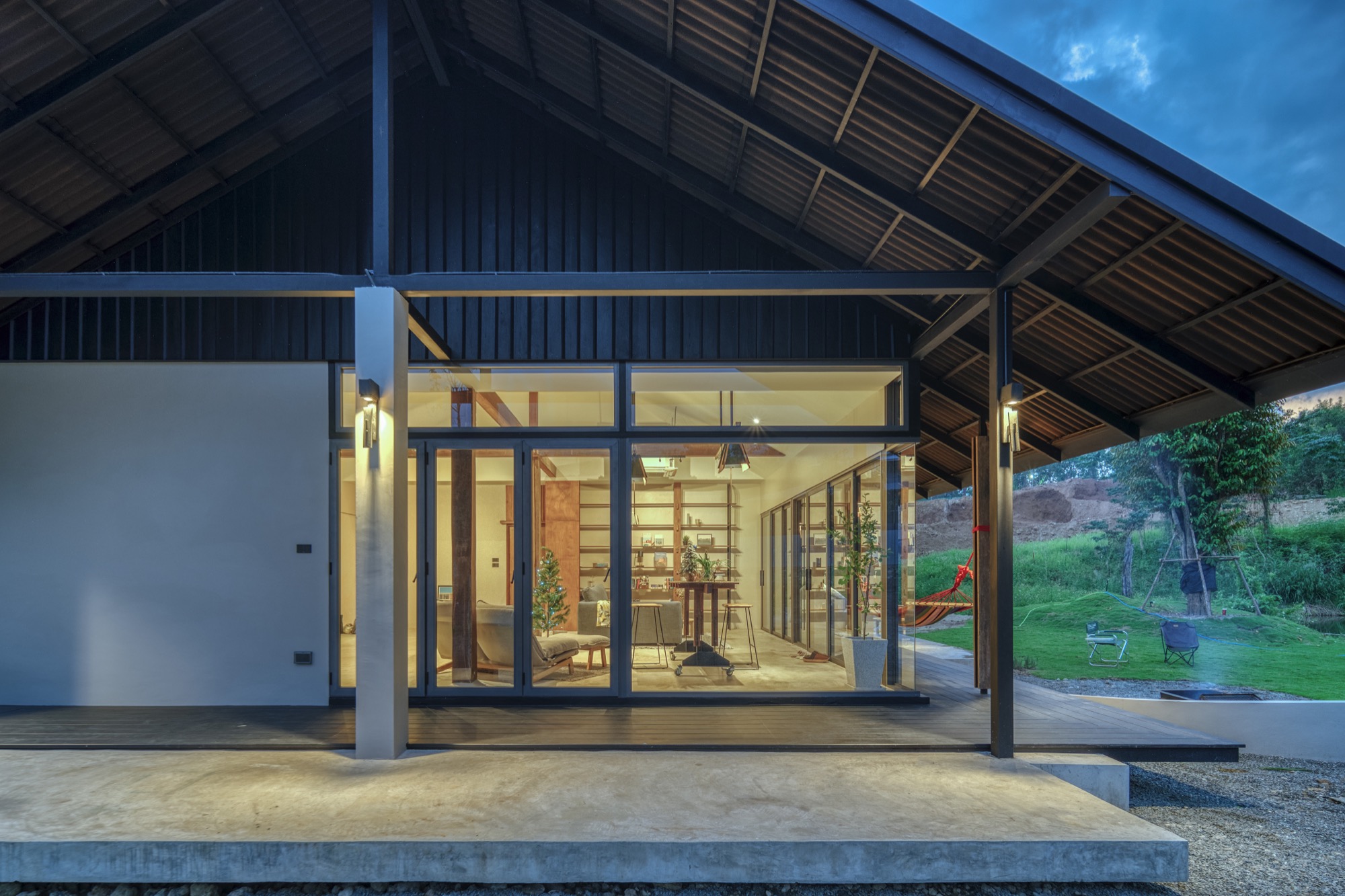
As it is a small residence, therefore, we classified this building in the Cabin category. The layout of the building’s usable space is not very complicated. But it can be connected to the outside on all 3 sides of the building. The openings vary depending on the nature of the activity.
Housescape Design Lab
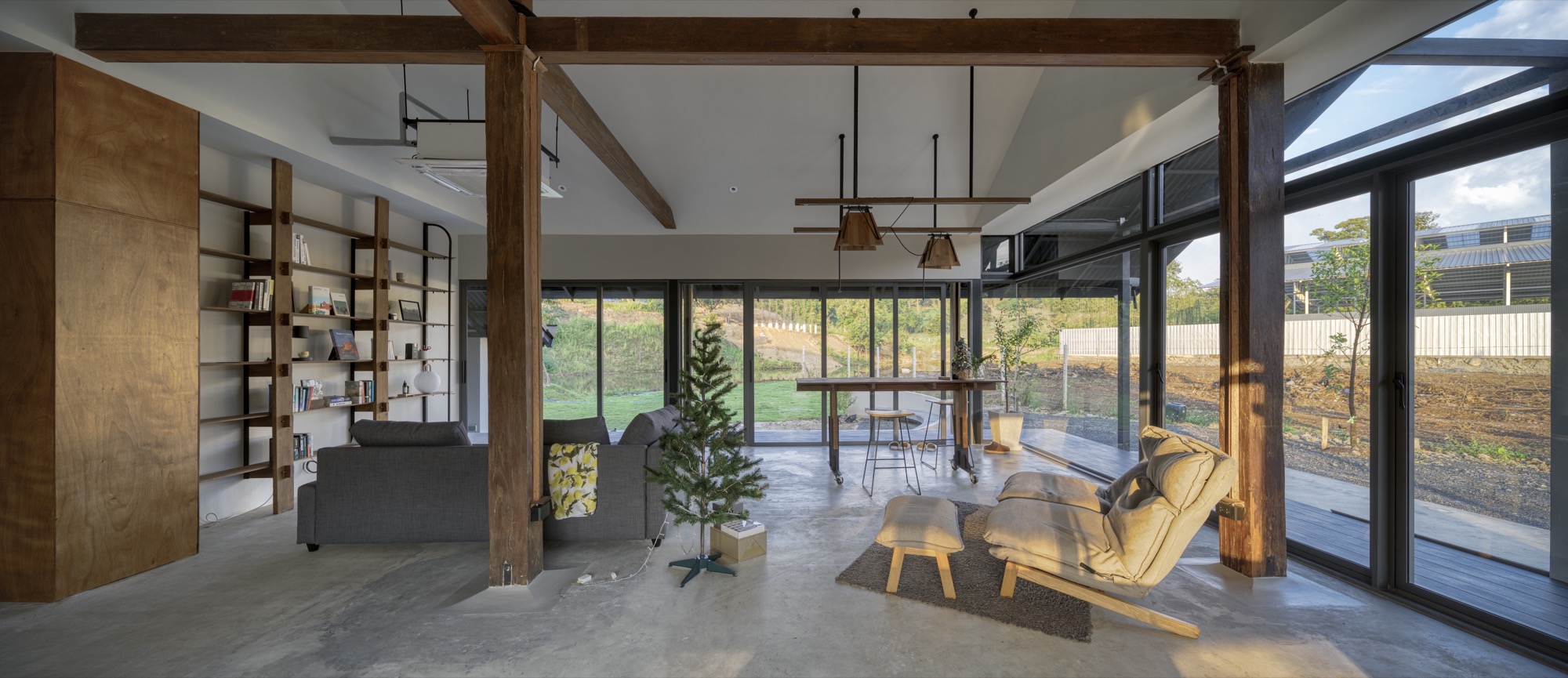
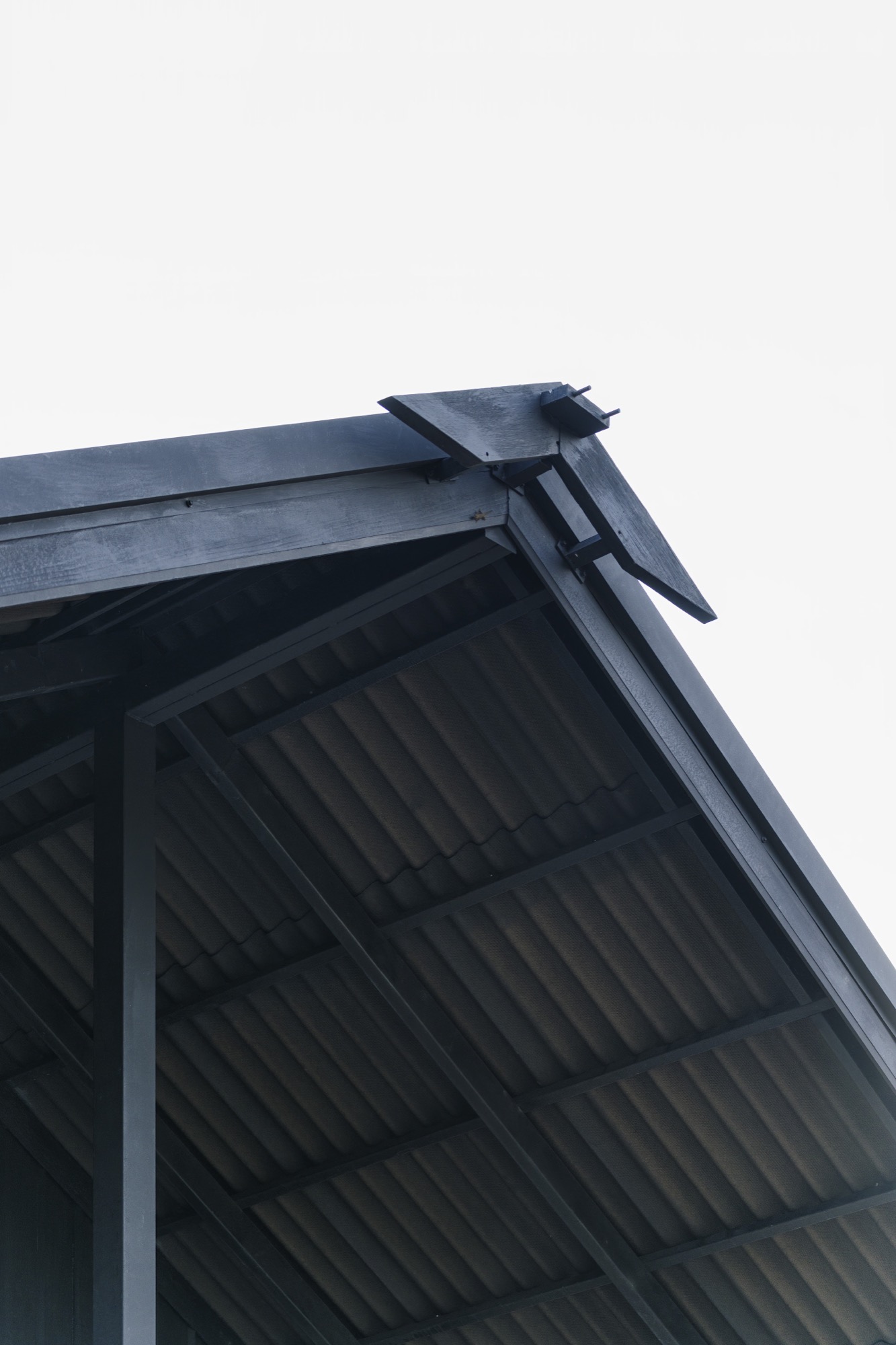
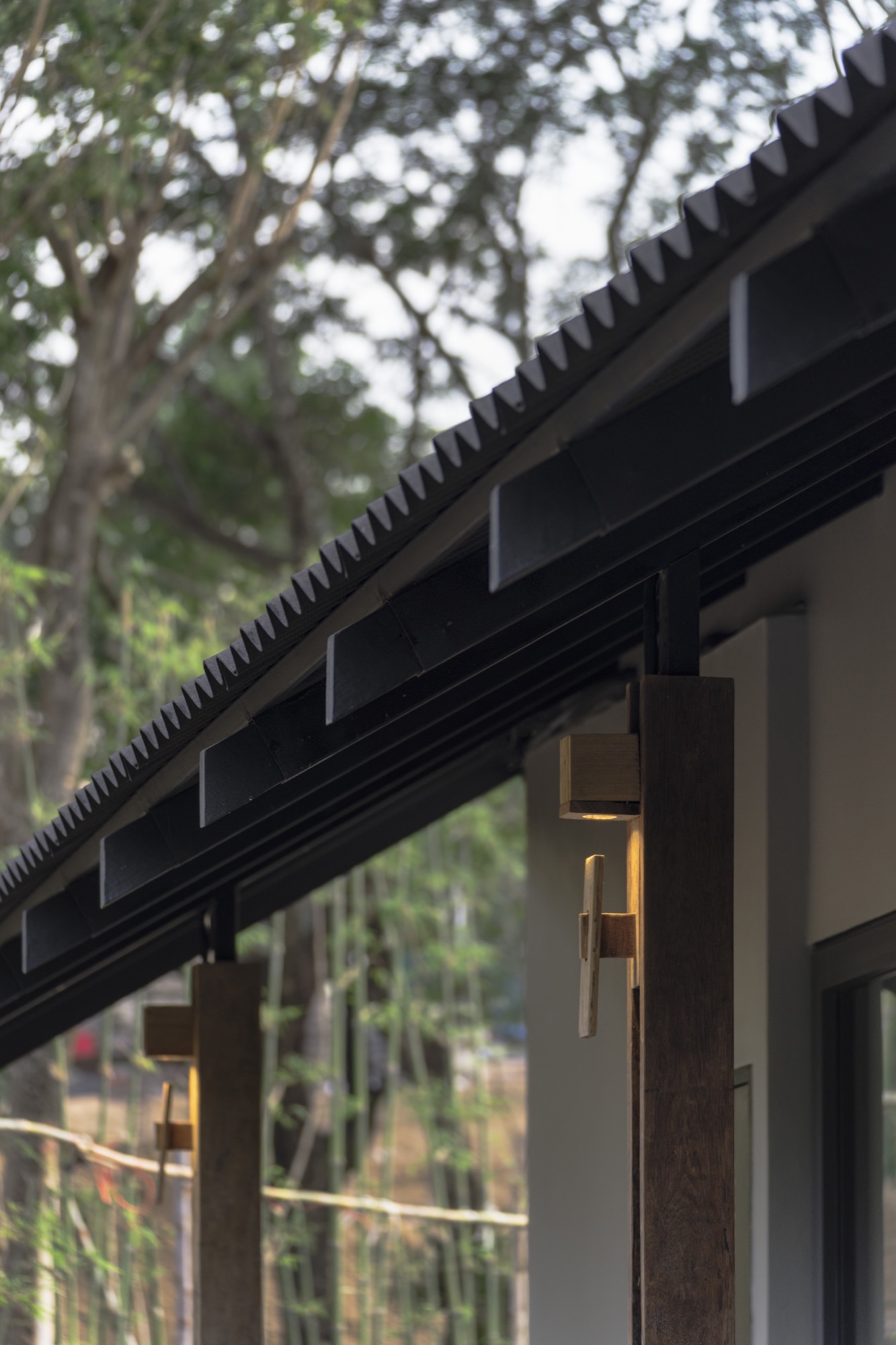
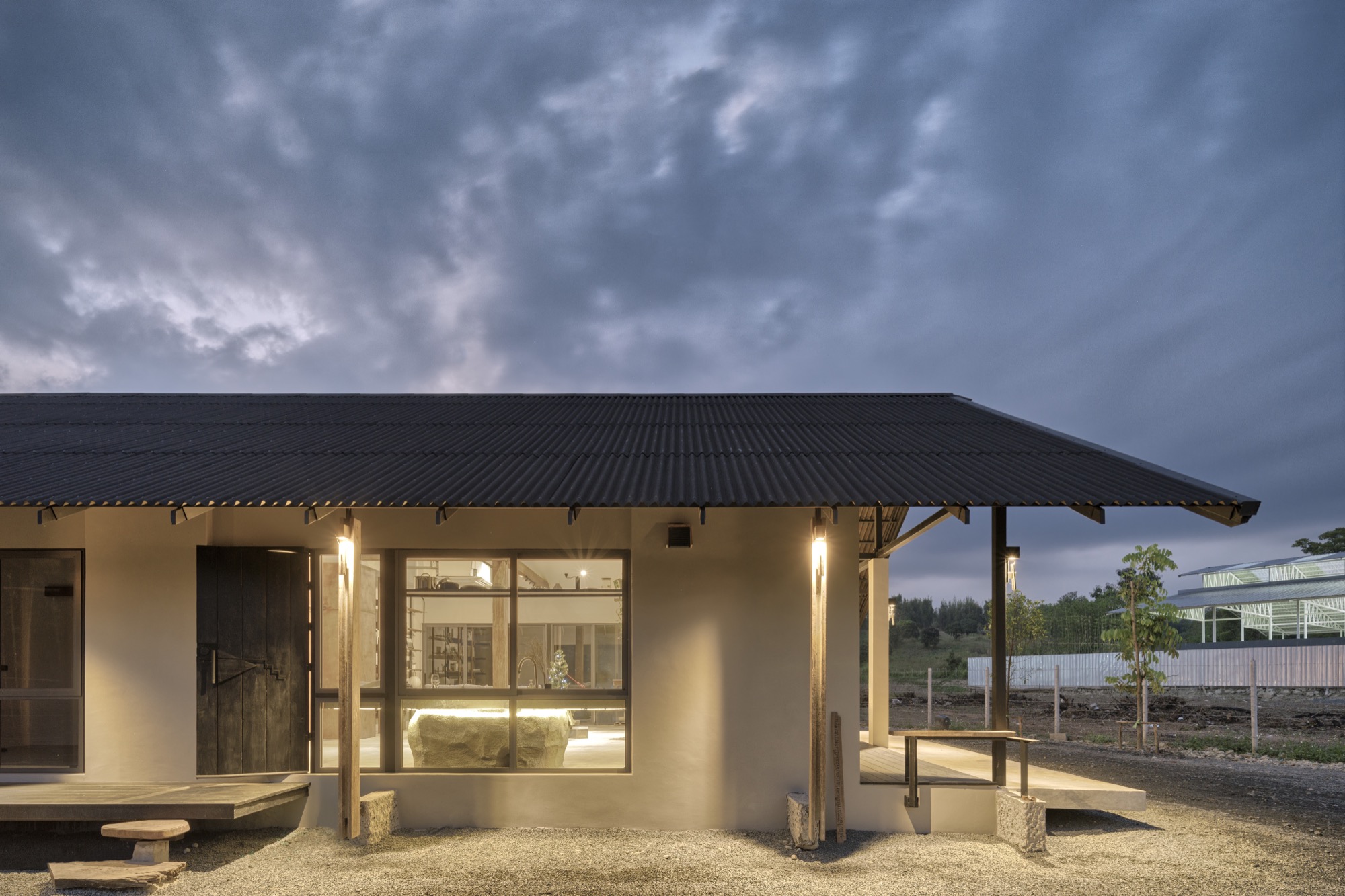
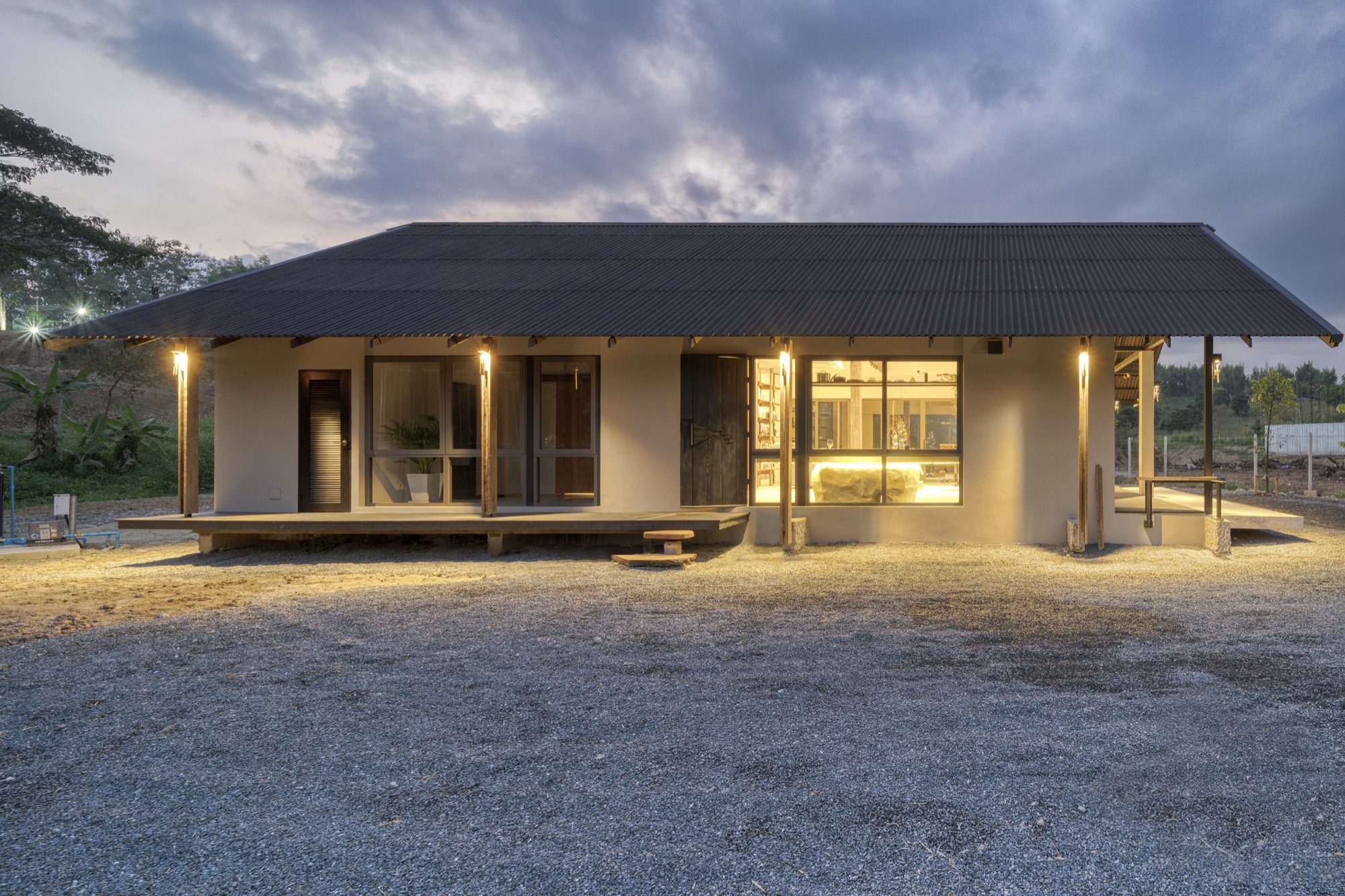
The design adheres to the local environment, opting for a gable roof and eaves roofs suitable for Thailand’s climate. A blend of geomembranes and natural fibers was chosen for the roof, addressing rain and sunlight challenges. Designers utilize an Open Plan Mobility concept for the house, providing flexibility for daily activities, whether relaxing on the sofa bed or cooking in the dining area.
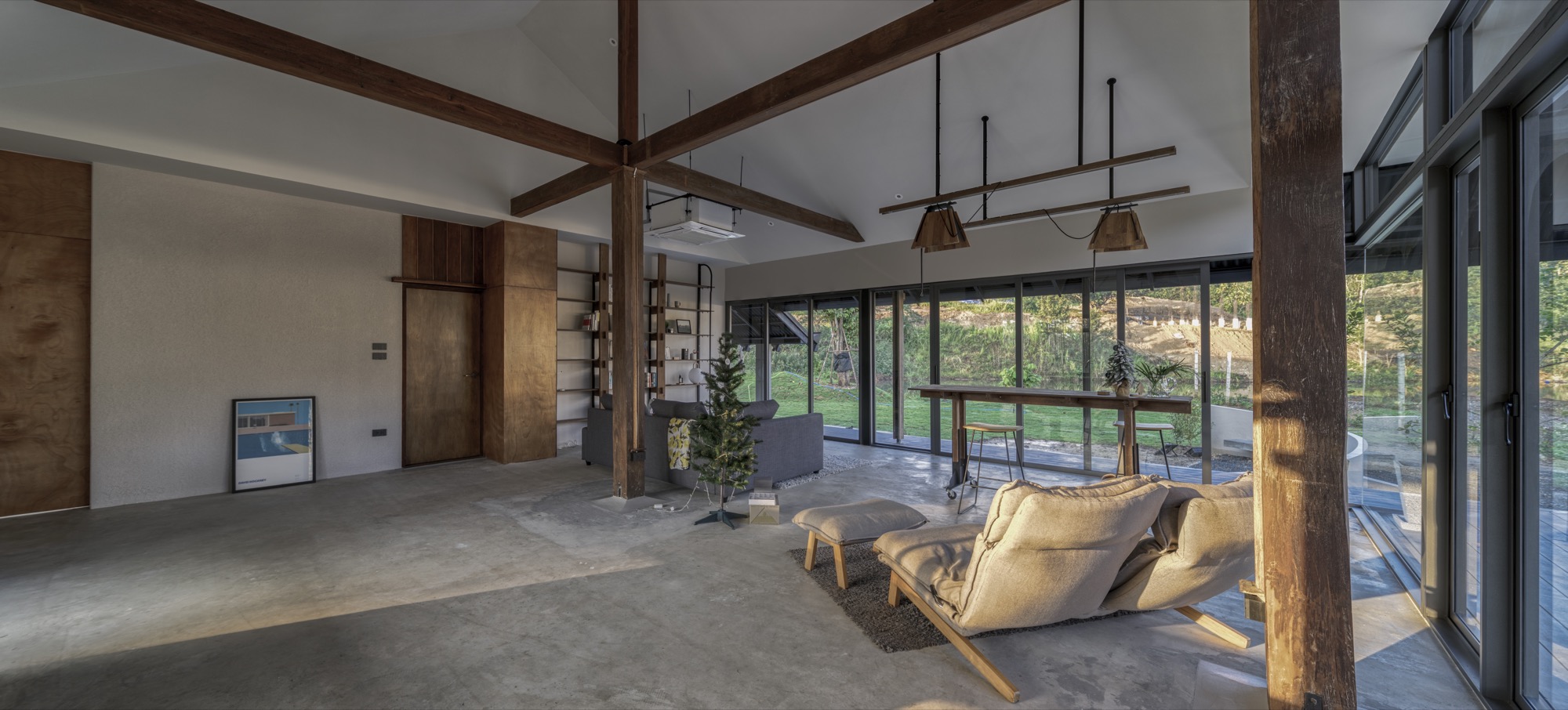
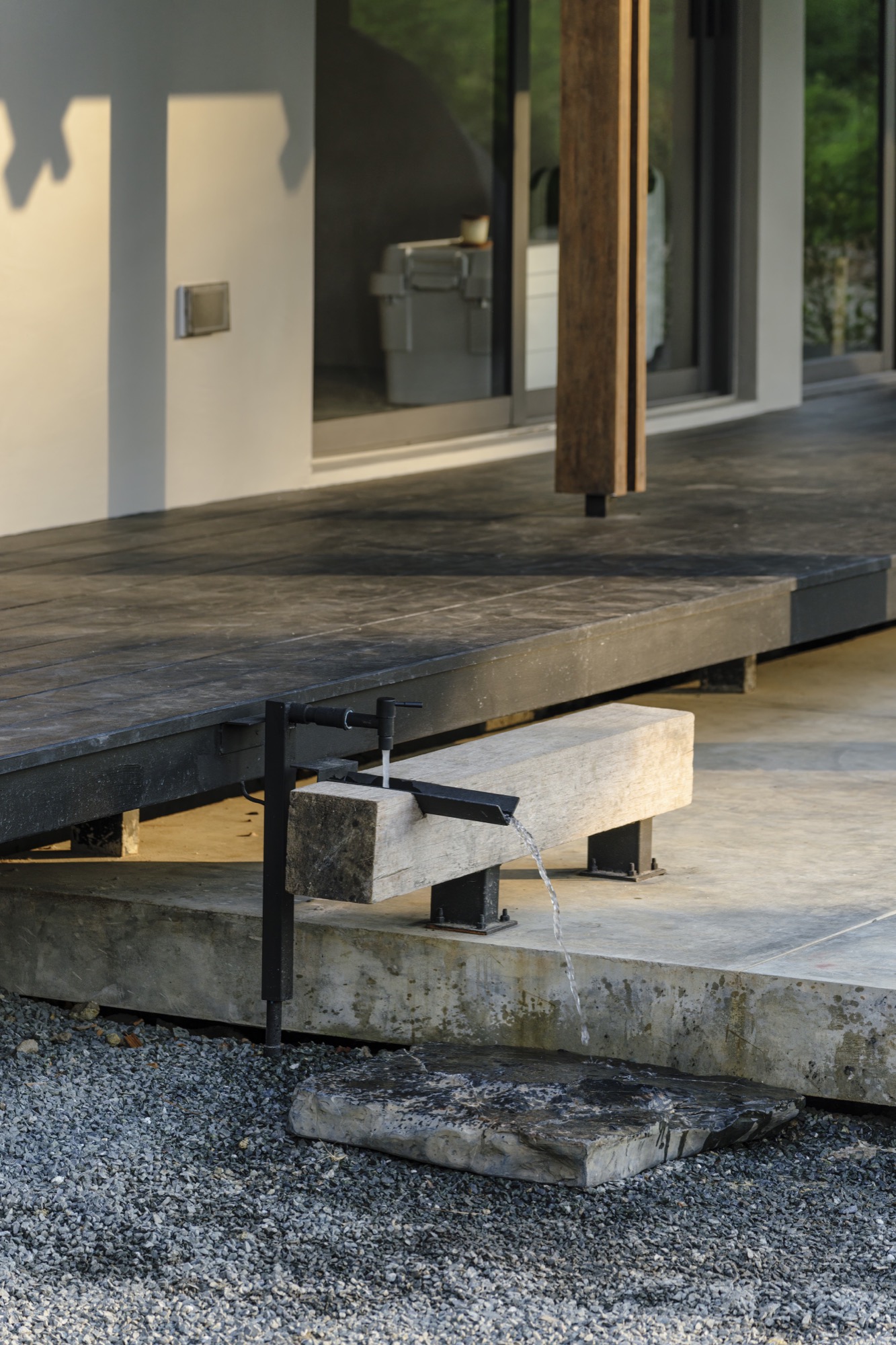
Craftsmanship takes center stage, with almost every part of the building crafted by human hands and local techniques. The project emphasizes distributing income locally, challenging the notion that ‘Ornament is Crime’ by Adolf Loos. Approximately 95% of the house is handmade, showcasing intricate details such as handles and furniture, responding directly to user needs.
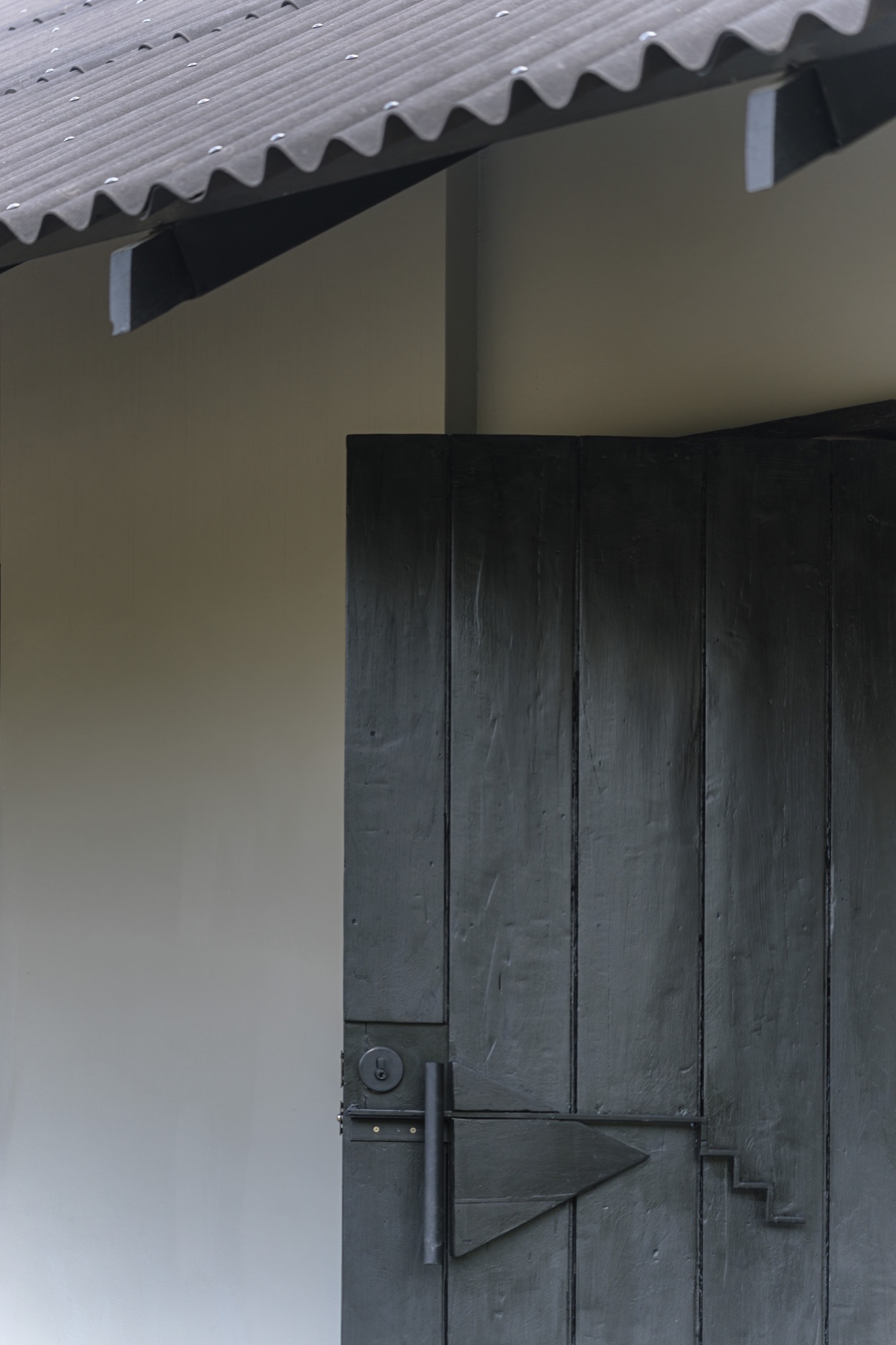
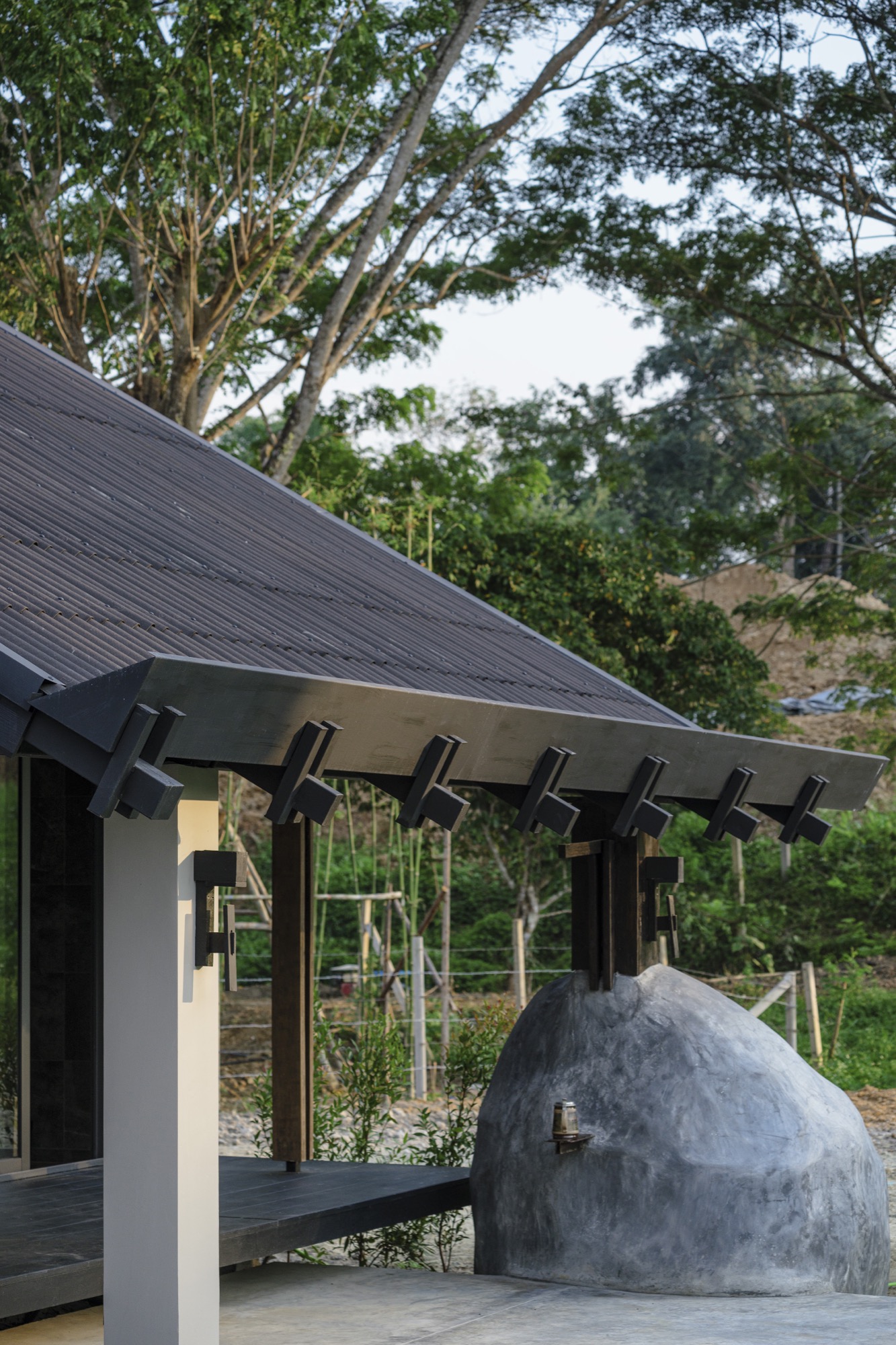
Regarding the matter of stones and architectural objects in this building We intended to create two man-made rocks. We’ll take the first one as an example. It’s outside the building in a part where it looks like it’s supporting the weight of the pillars that come from the roof. This rock doesn’t look like a real rock. But if anyone looked at it, everyone would say the same thing: it’s a rock. There’s no way it’s a cloud or a bush. It’s connected to a wooden pole. and a piece of iron came out.
Housescape Design Lab
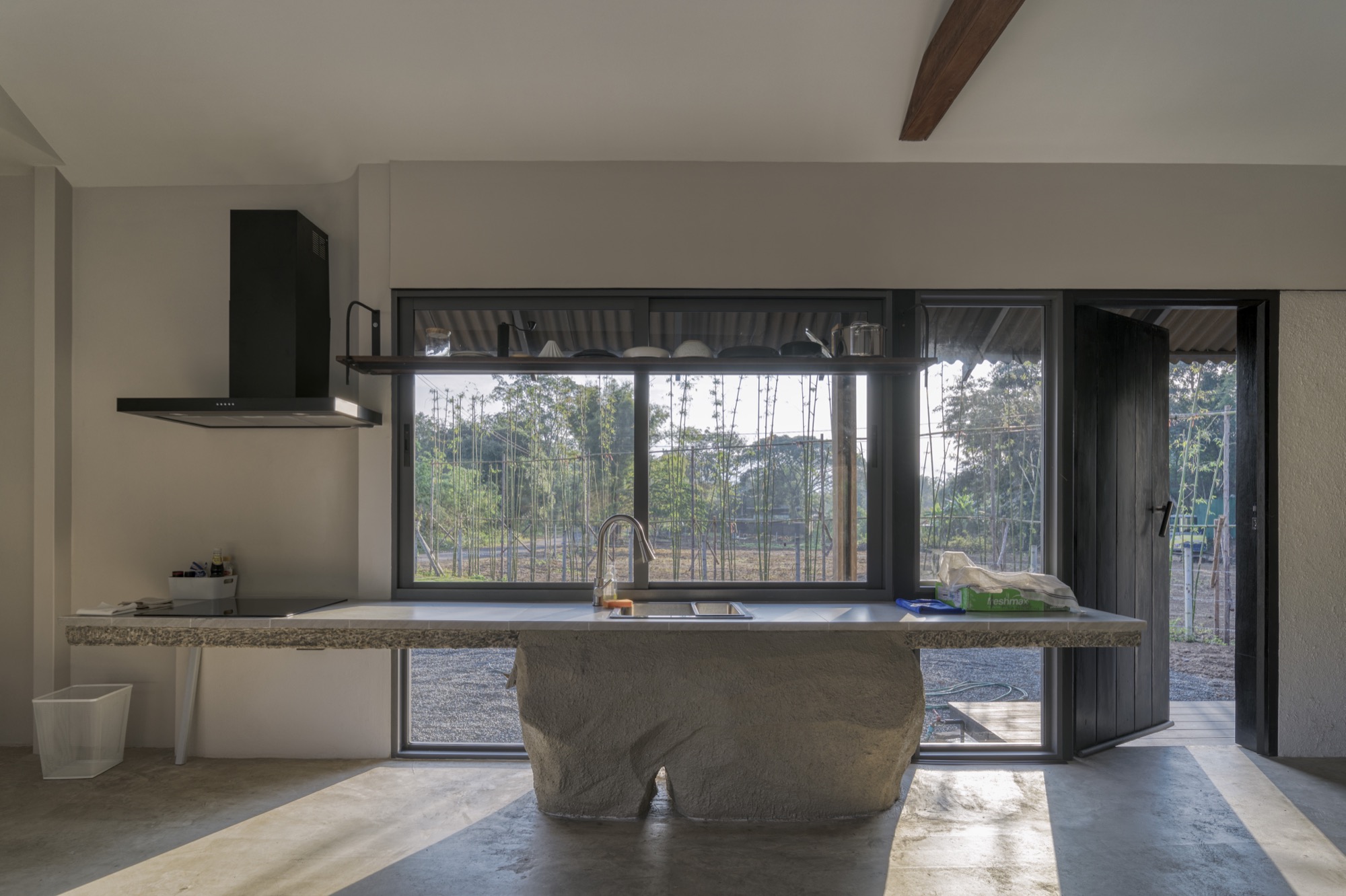
“Why do we have this object in the building? Because we want to explore and raise questions about Ontology in Architecture: what is the boundary of reality for objects? We think this will encourage designers to rethink the role of architecture. That it is still what is called environmental design at the point in which it is located? Or is it some object that mediates between humans and reality on Earth?” – they explained.
Photo
Jeng Pheera