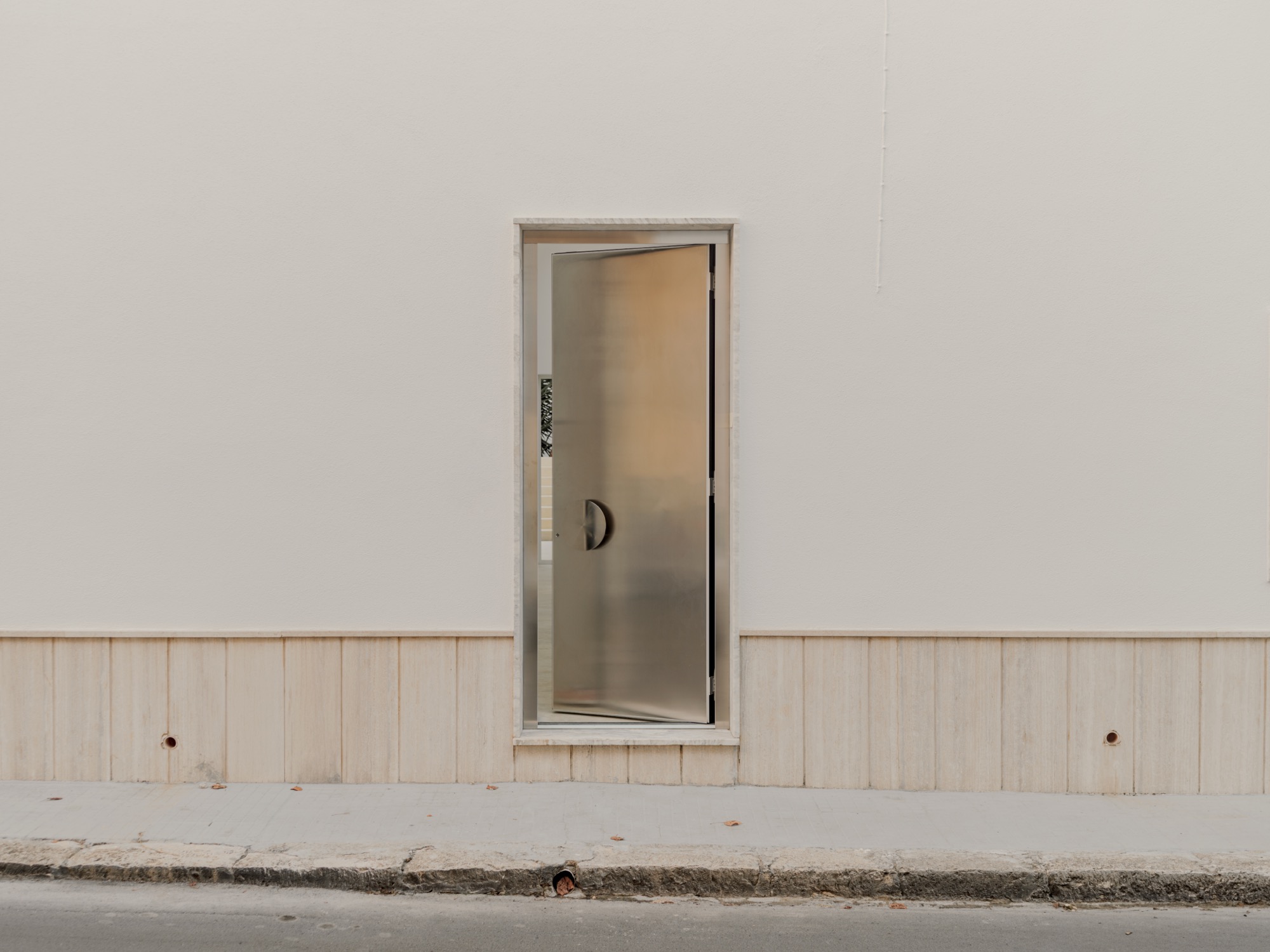
This is a minimalist home located in Presicce-Acquarica, Italy, designed by casatibuonsante architects. The focus of this architectural project is set in the town’s newer sections, predominantly featuring two-story buildings from the 1960s and 1970s.
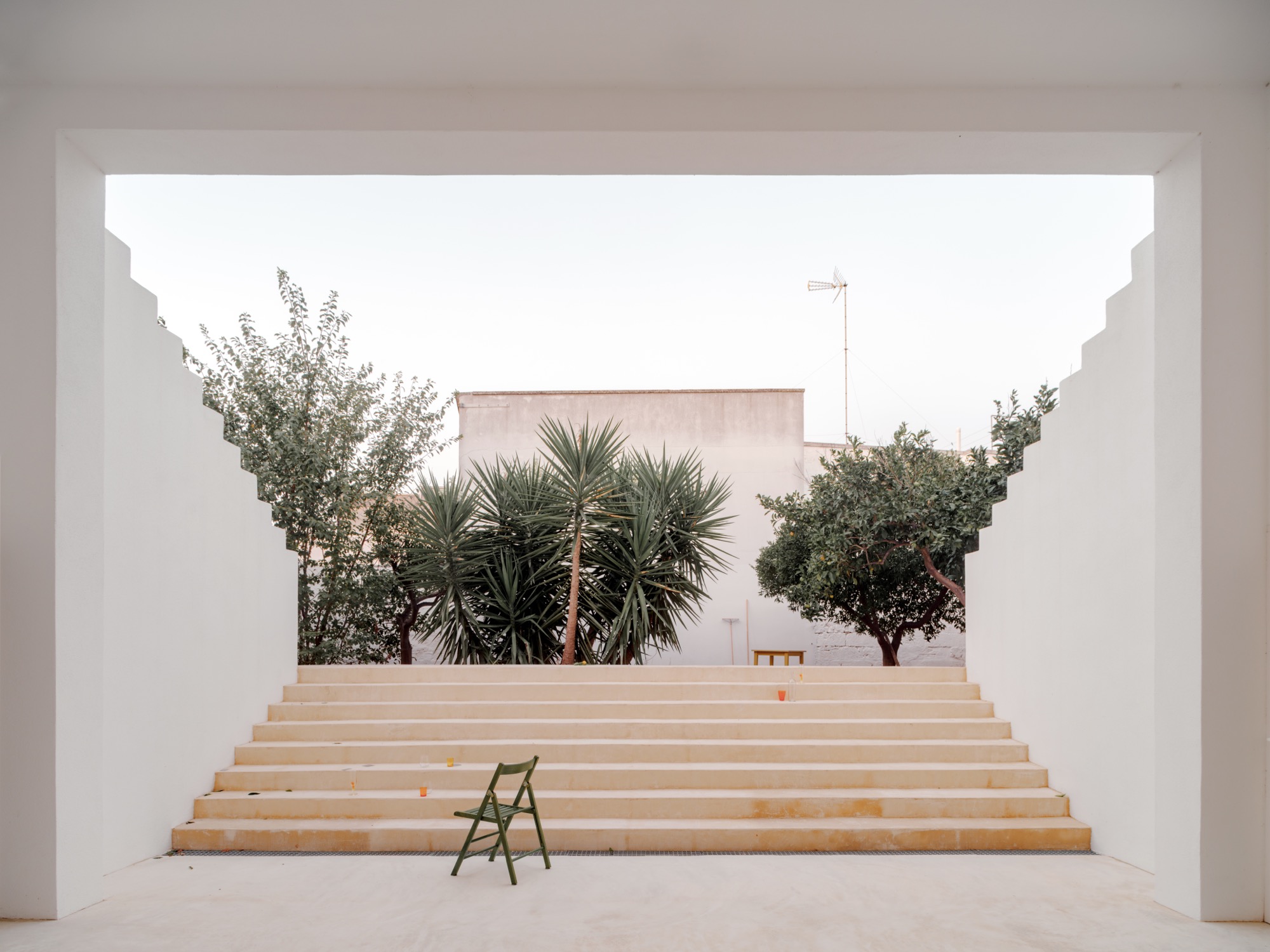
This anonymous fabric, however, preserves the original layout of traditional local houses usually composed of a corridor that disengages the rooms on one or two sides, saving a portion of greenery in the innermost part of the lots. By doing so each home gain an internal garden, a portion of land that is very often cultivated or planted and closed by white lime walls.
Furthermore, behind banal facades tiredly decorated with round arches and classical cornices it is easy to find older buildings built using traditional construction techniques with vaulted roofs that unload onto the load-bearing perimeter walls.
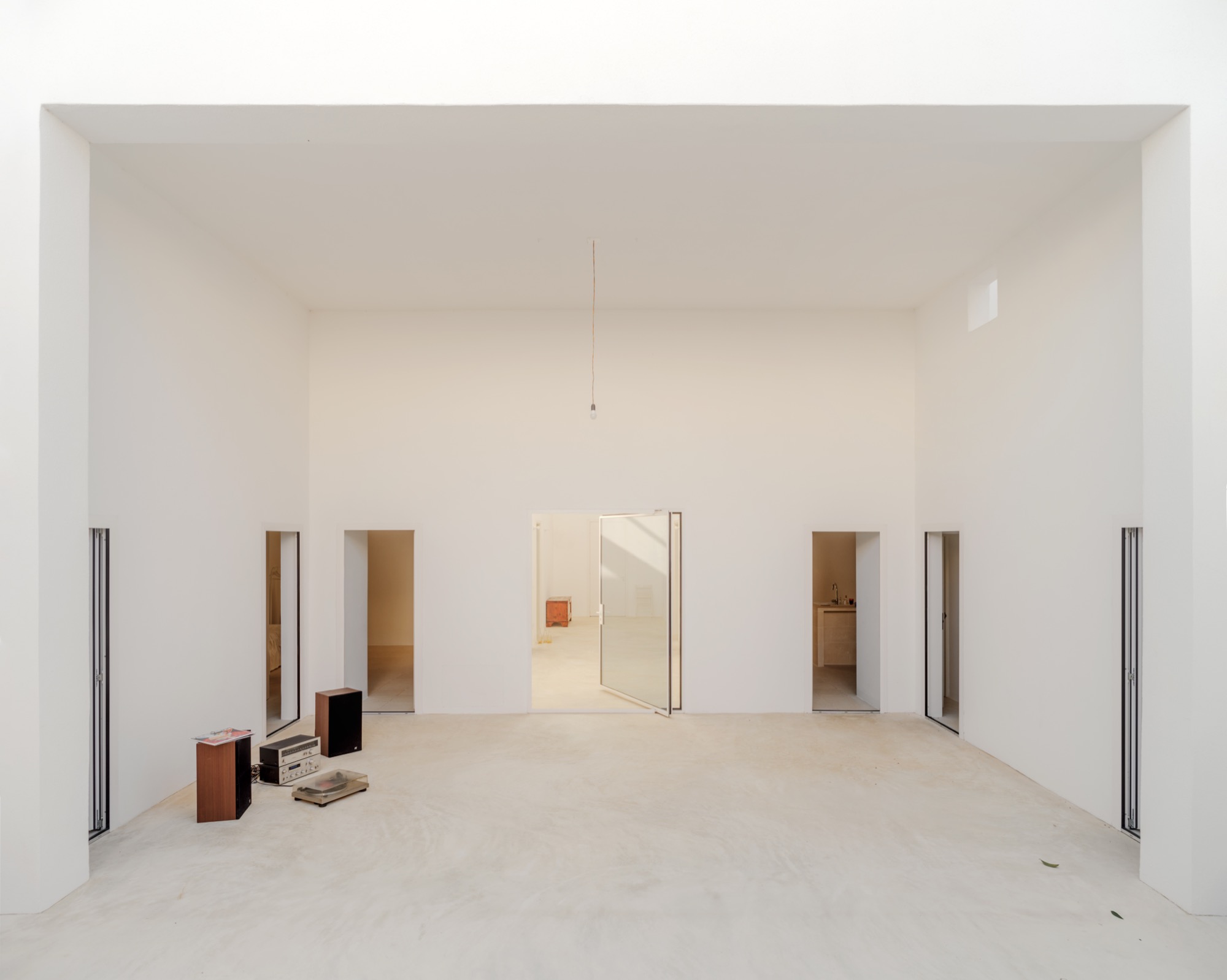
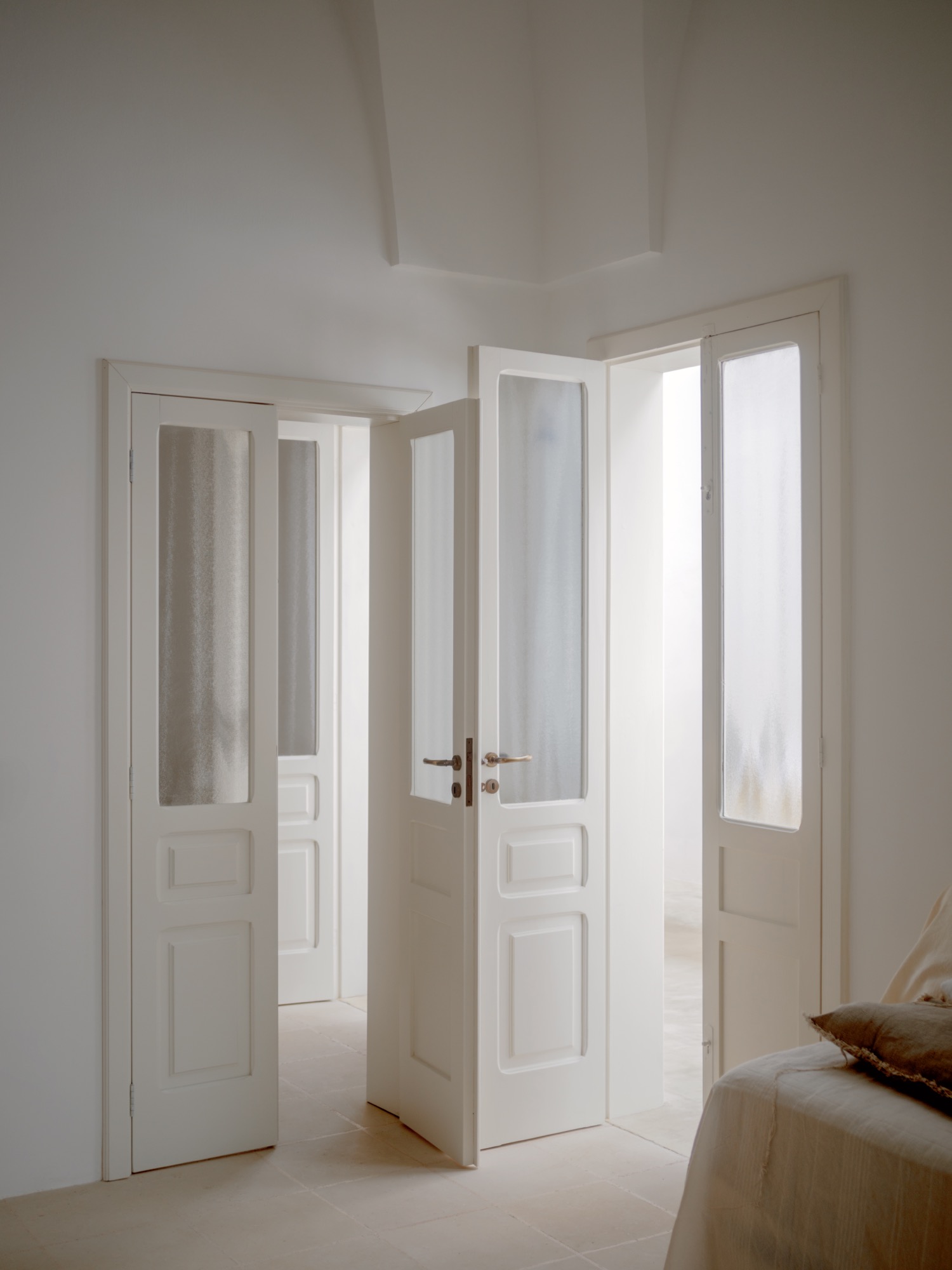
A construction technique that has been handed down and refined by local workers, defining a sort of “natural resistance” to the modern logic of concrete beams and pillars and which defines atypical interior spaces, with a solid and imposing appearance, where light penetrates through few measured openings.
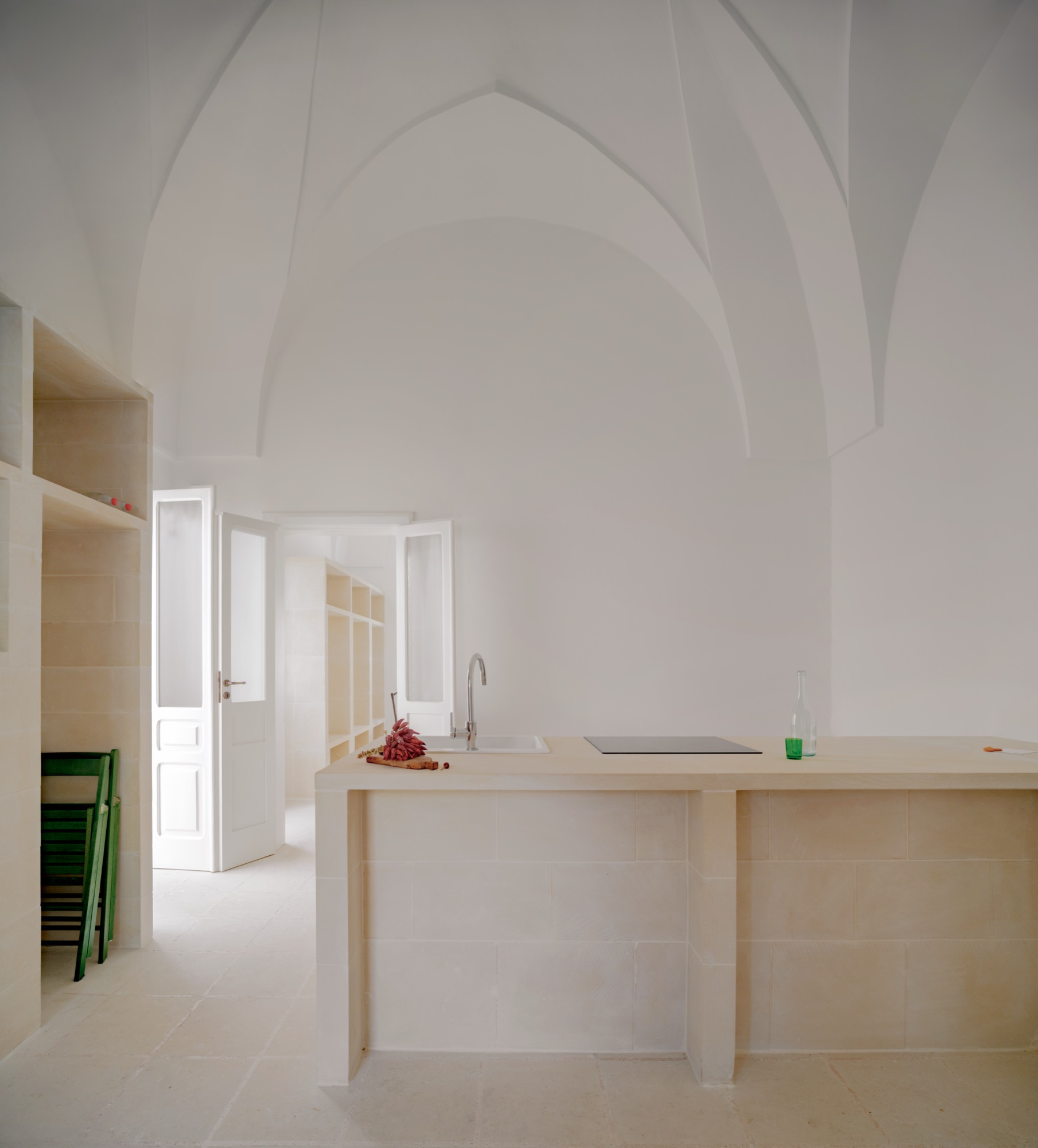
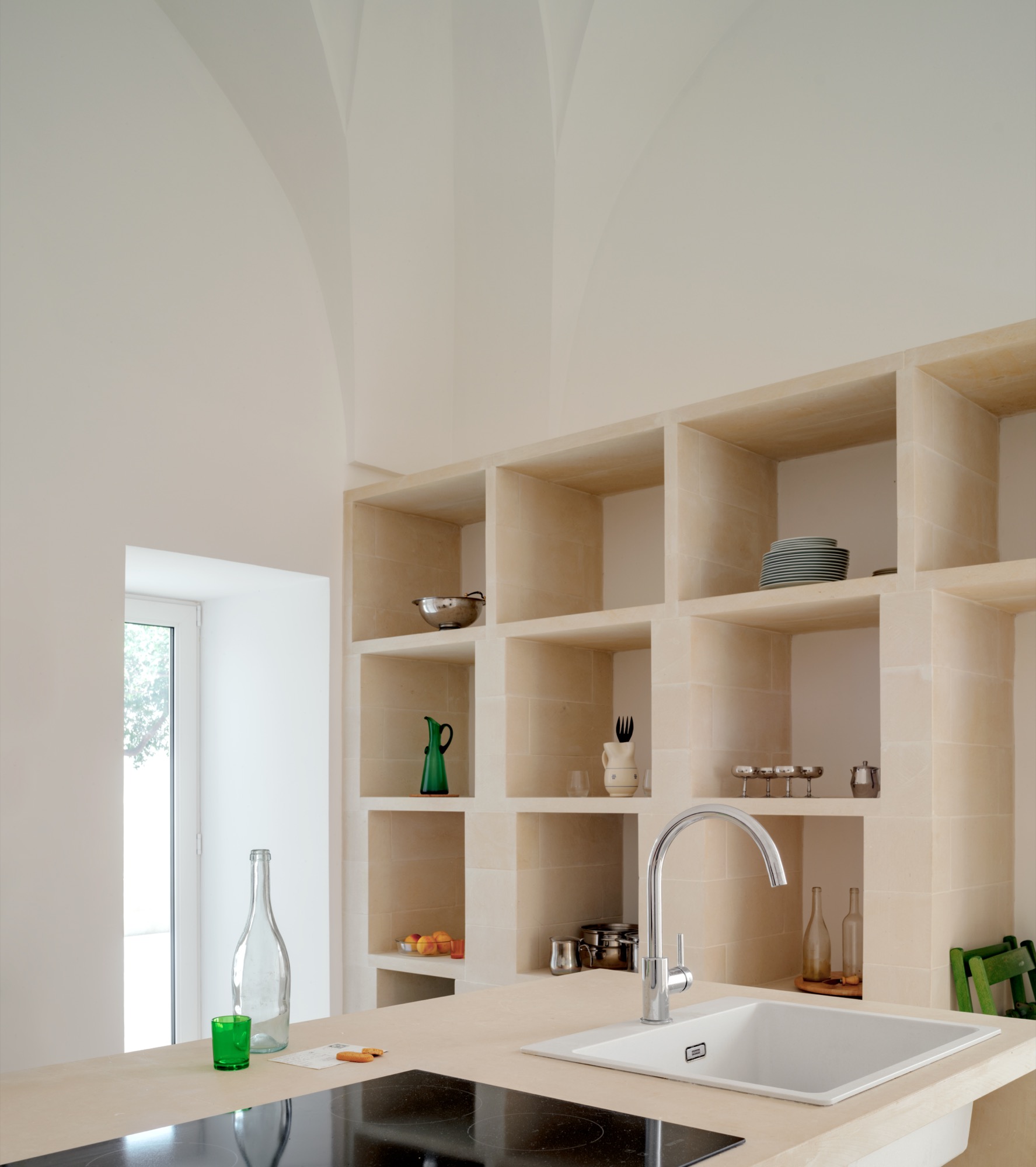
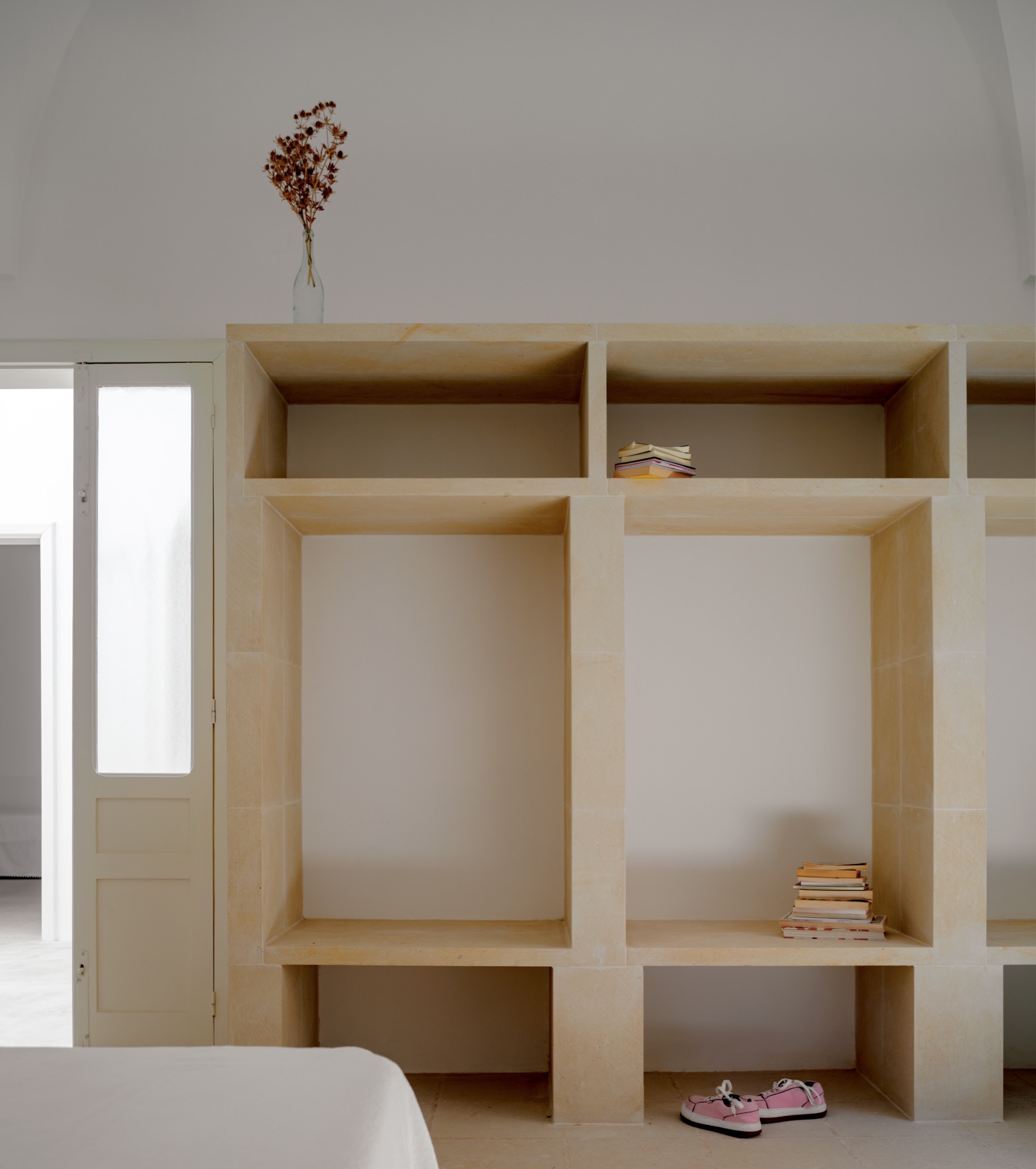
Peering beyond the simplistic facades, adorned with round arches and classical cornices, one discovers older constructions that utilize traditional building methods, including vaulted ceilings supported by load-bearing walls. This traditional craftsmanship embodies a subtle defiance against contemporary construction practices dominated by concrete, creating unique and robust interior spaces illuminated sparingly through carefully placed openings.
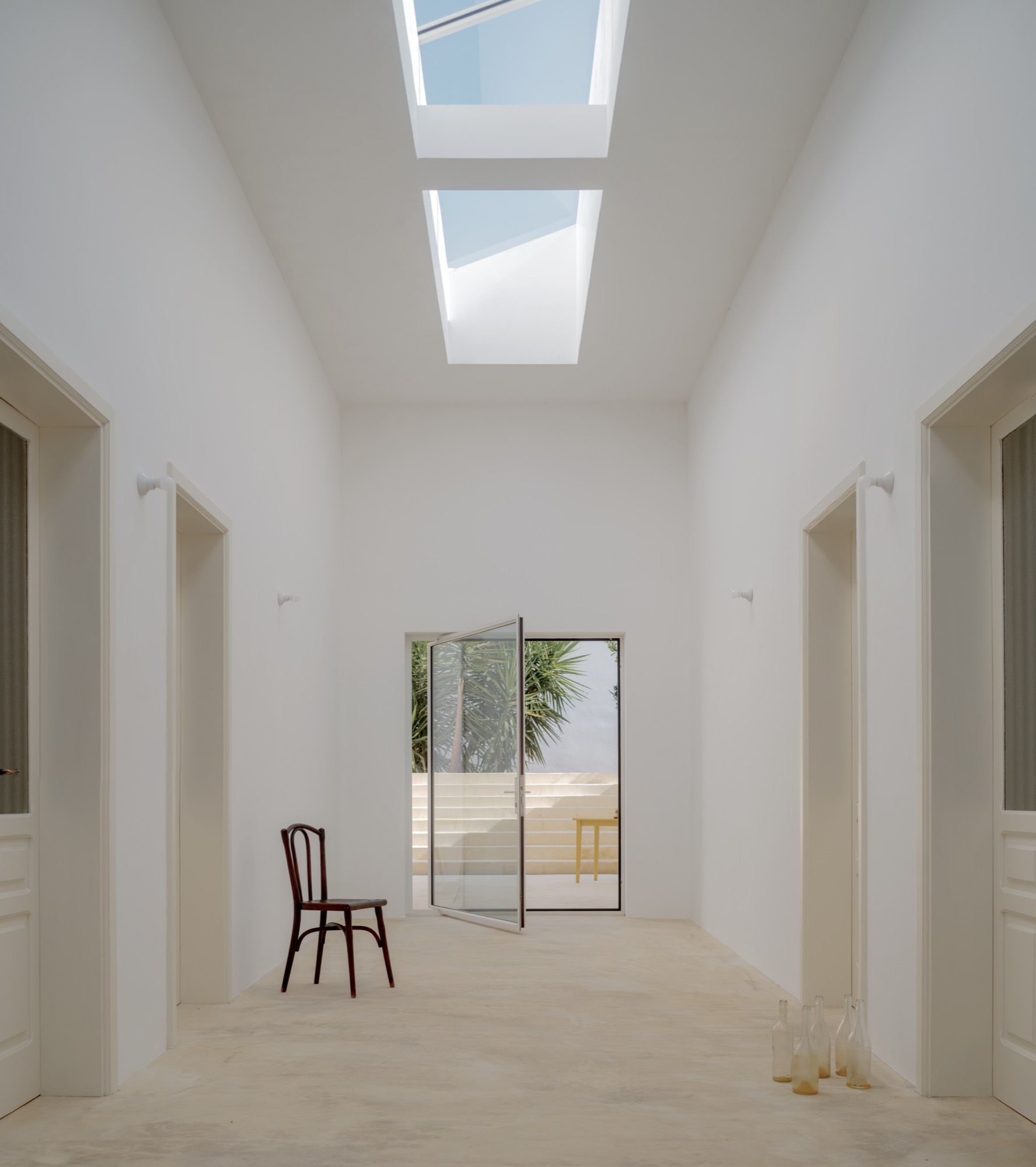
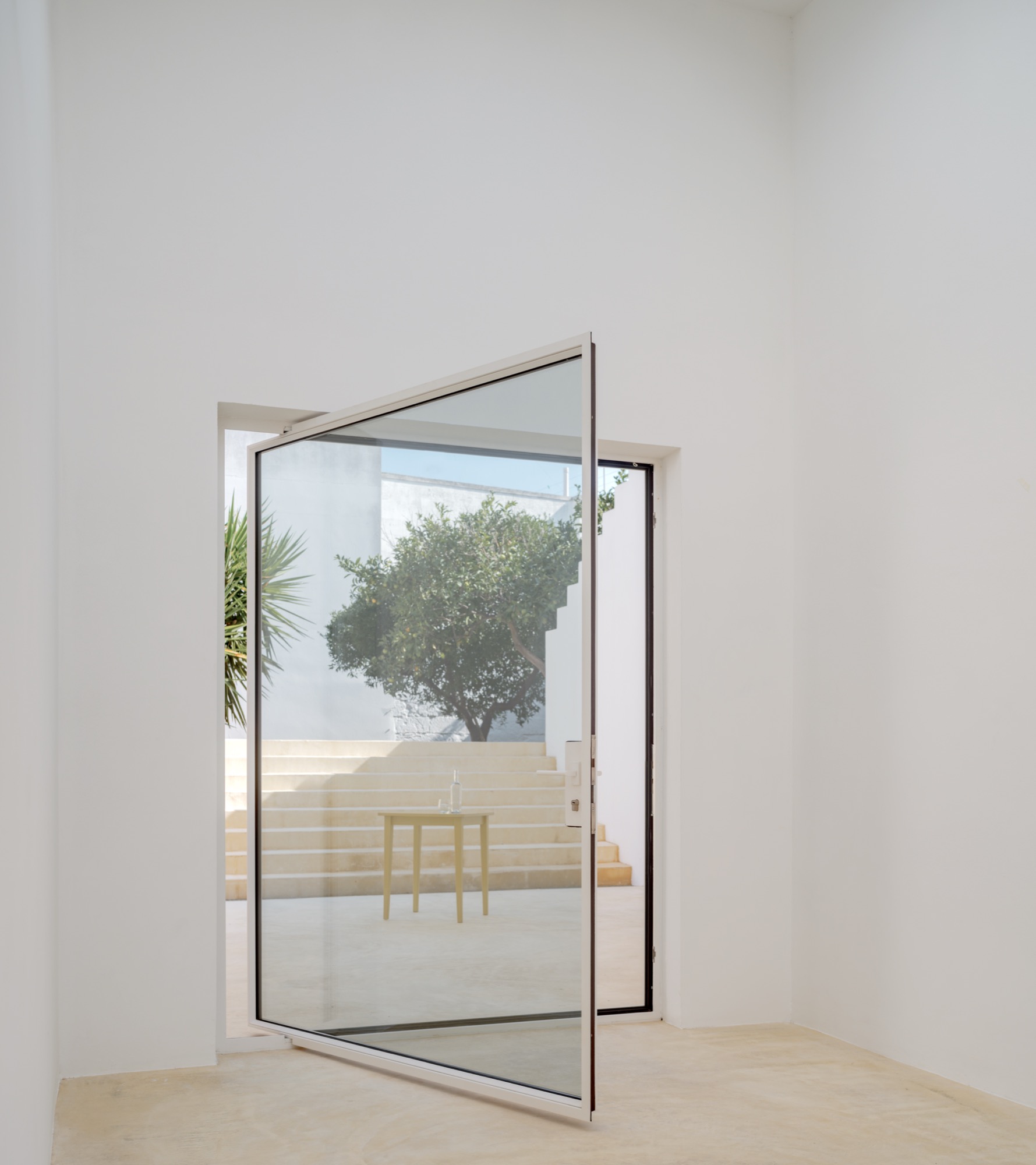
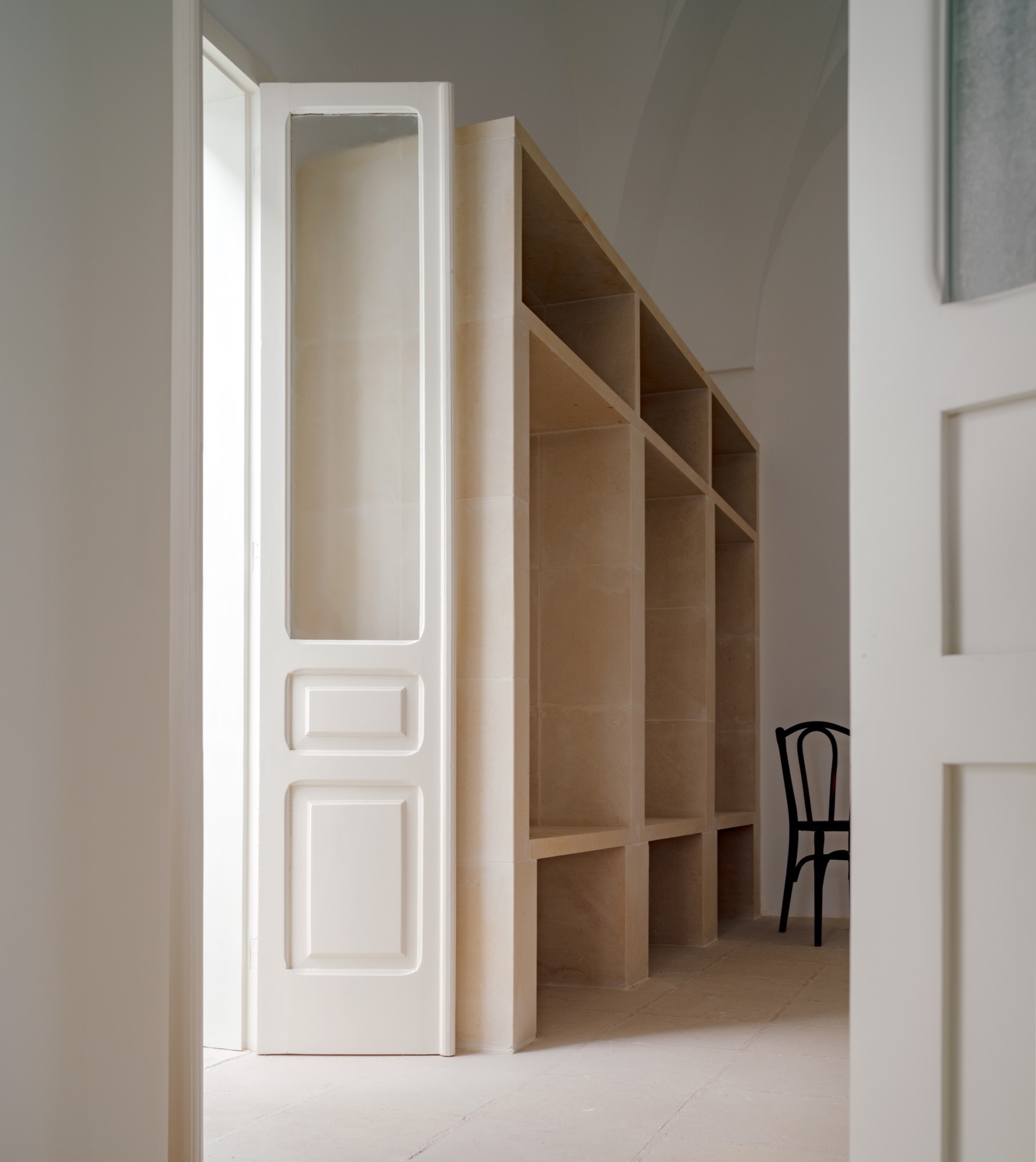
The project features extensive use of Lecce stone, a warm-white sedimentary rock prevalent in Salento’s historical architecture. Chosen for its physical attributes, this material serves multiple purposes within the design, from terracing and stair construction to indoor flooring and custom furniture, benefiting from its durability and water-resistant qualities when used outdoors.
Photo
Riccardo de Vecchi
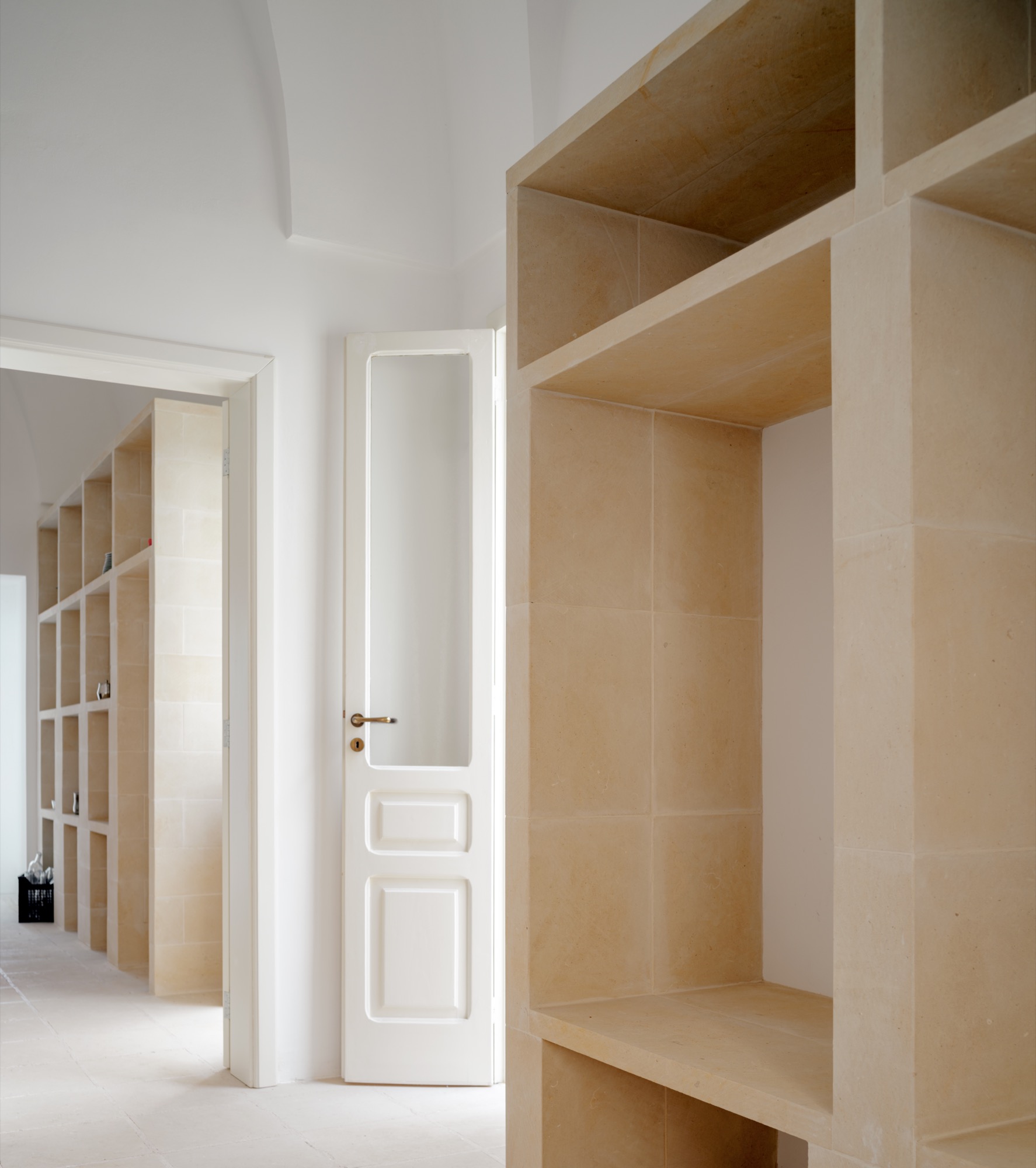
Originally, the house comprised four rooms with star-vaulted ceilings centered around a corridor, but had been modified over time with additions encroaching on the garden space. The renovation aims to highlight the building’s original features by eliminating later additions and reconfiguring the layout to create two distinct wings with direct access to the courtyard.
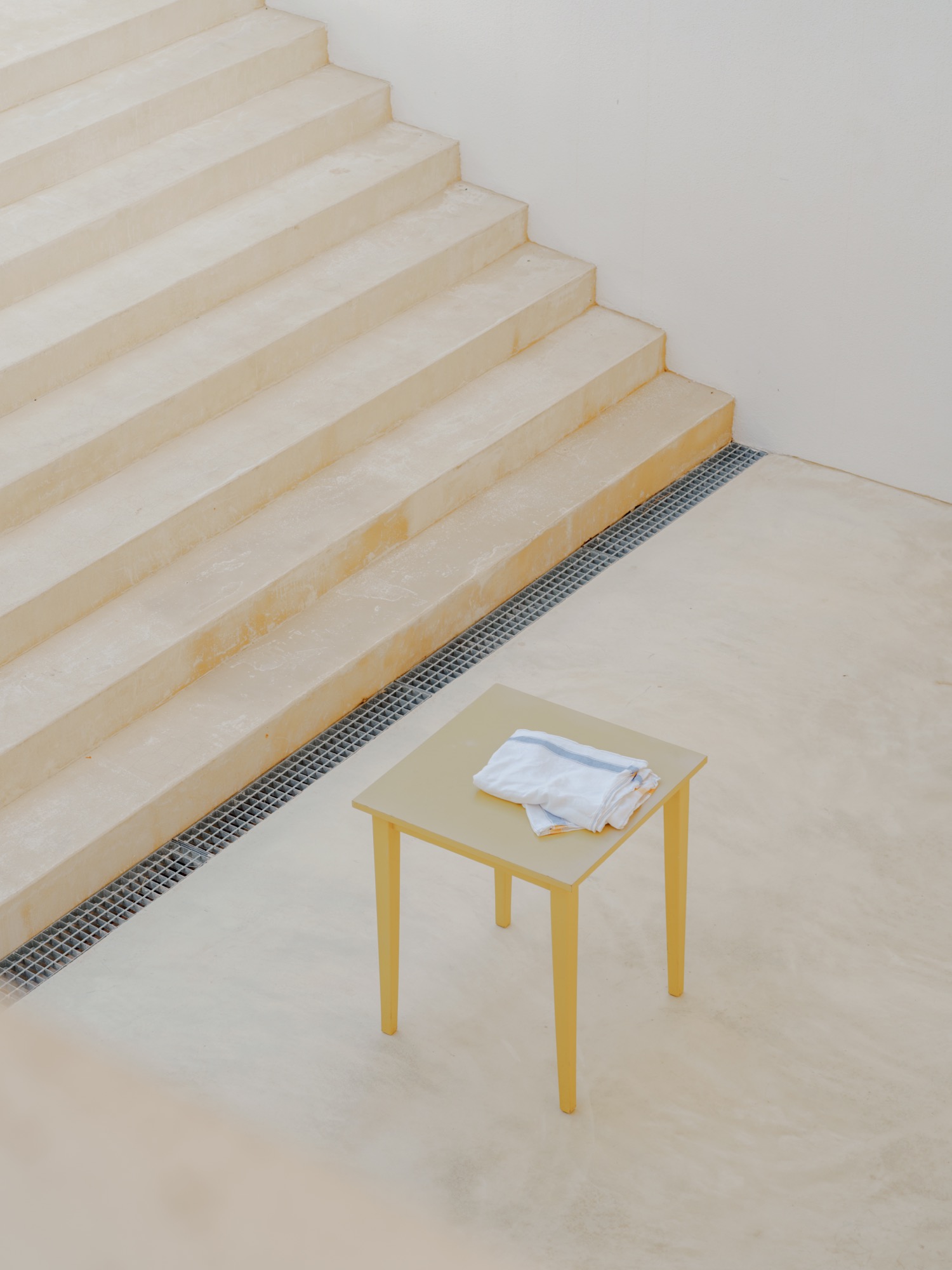
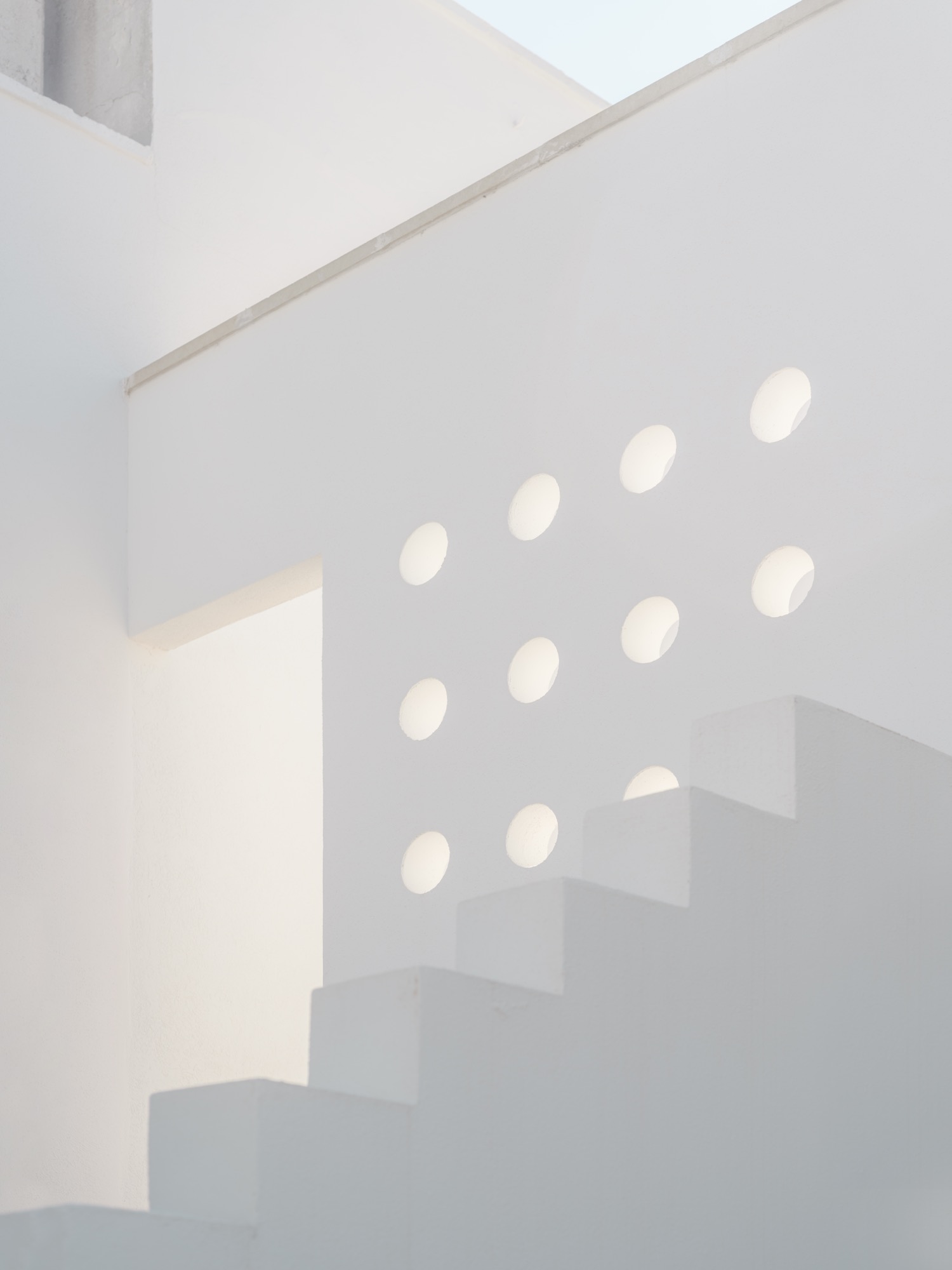
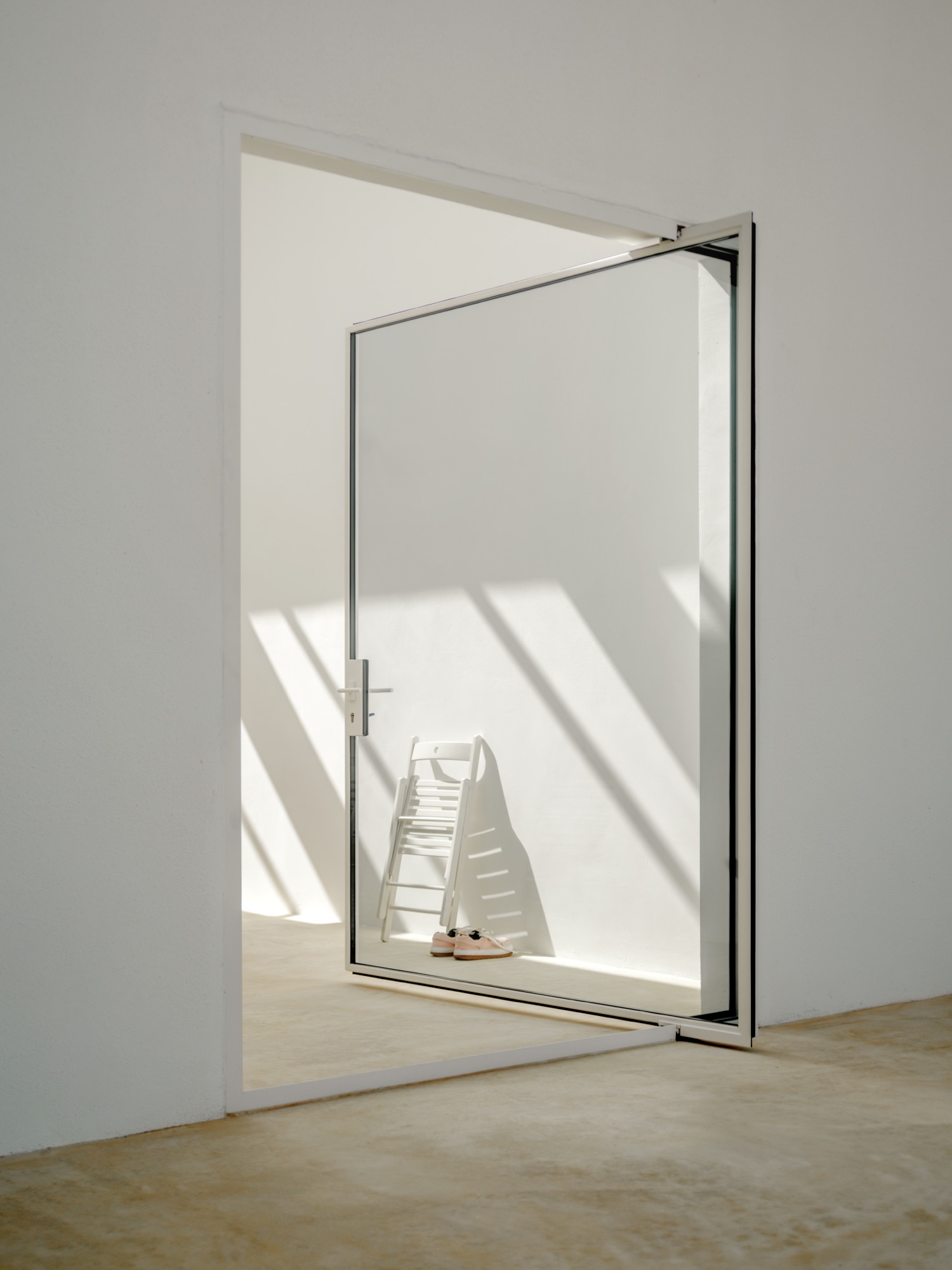
A new skylight over the main entrance introduces abundant light, transforming the central corridor into a luminous bridge between the exterior brightness and the subdued light of the garden. The loggia, now openly connected to the entrance, becomes a pivotal area for relaxation, particularly in warmer months.