
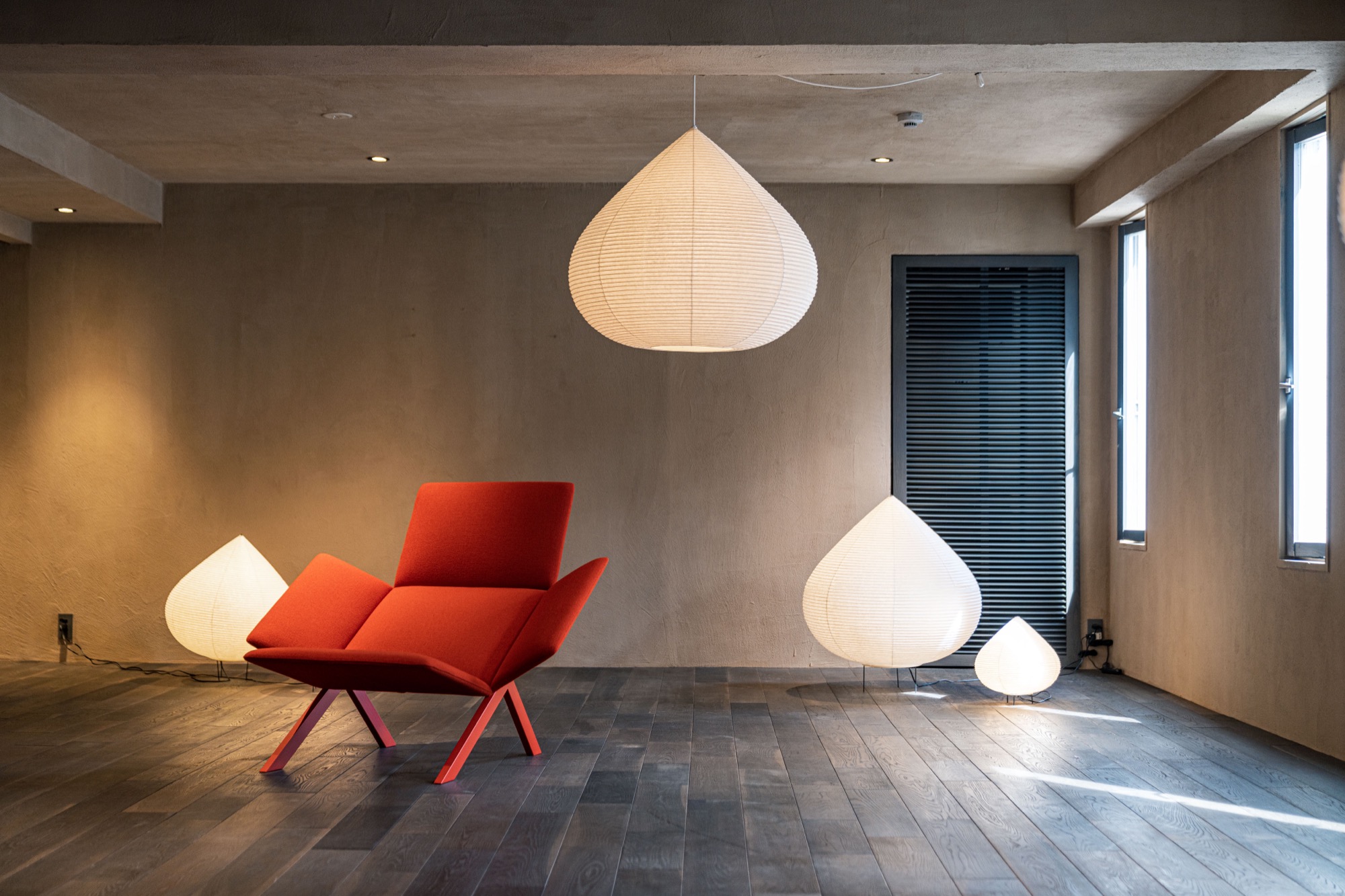
Drop Paper Lamp is a minimal lamp collection designed by Sweden-based studio Claesson Koivisto Rune for Time & Style. Employing the respected craft of Suifu lantern making, indigenous to Japan’s Ibaraki Prefecture, the lamp presents an innovative redefinition of the traditional lantern design.
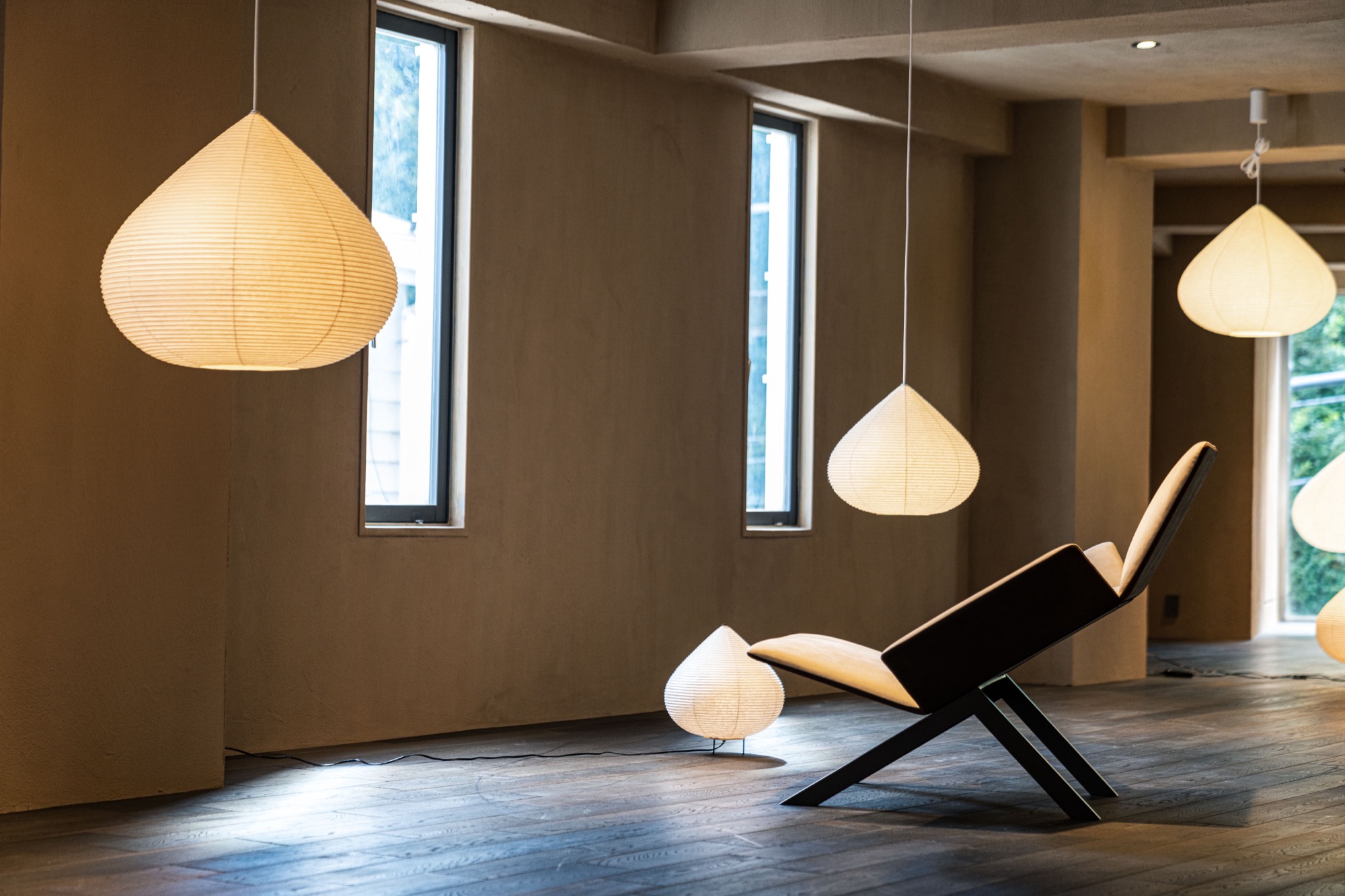
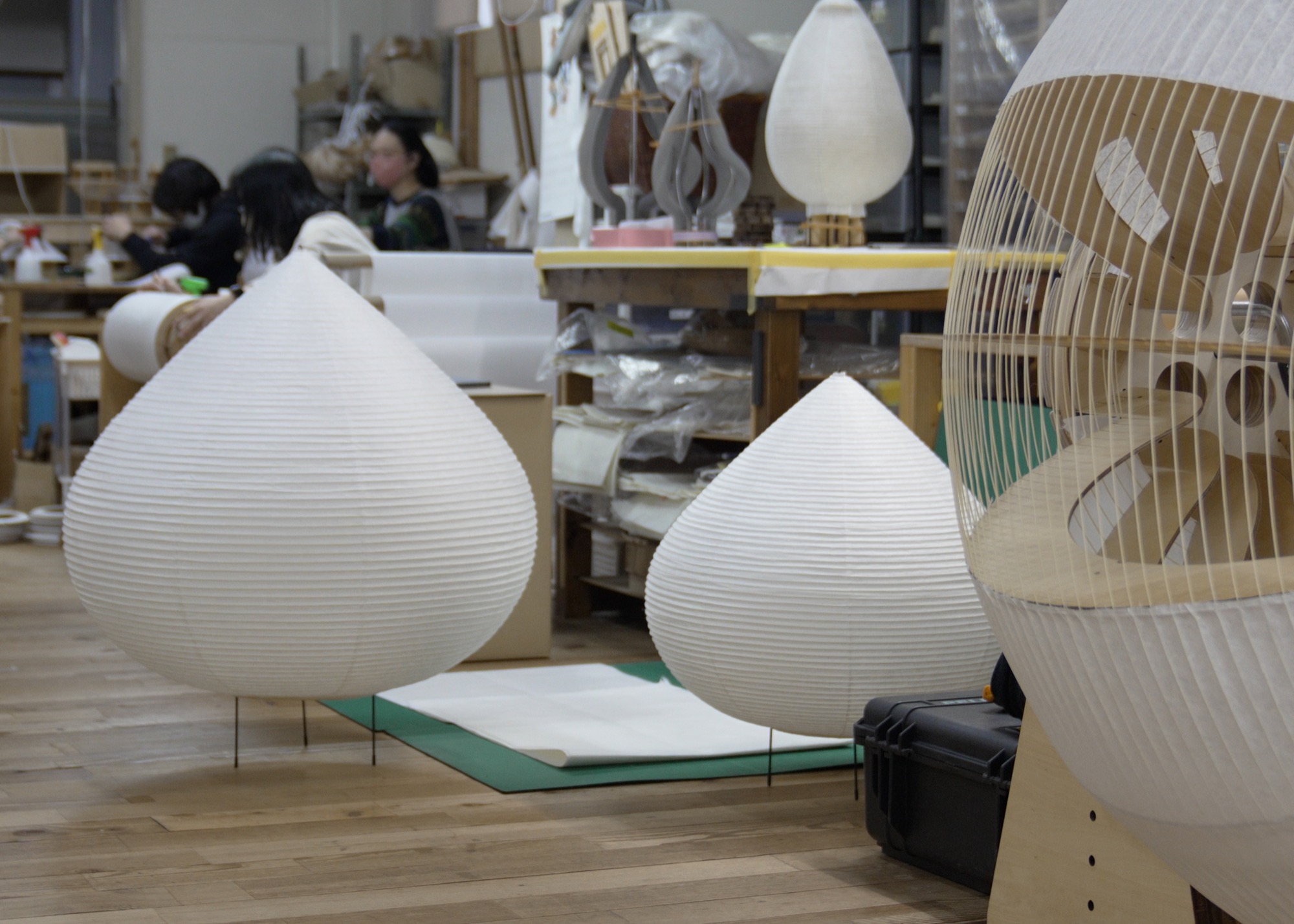
The lamp is made with the techniques of Suifu lantern making in Ibaraki Prefecture, an area known for the production of durable and sturdy paper lanterns. Developing the unique shape of the Drop Paper Lamp resulted in two particular challenges. The first challenge being the 120cms diameter version, a size never previously attempted. The second was pushing the bending limits of the thin bamboo, coiling it to form a true peak at the very top of the drop shape.
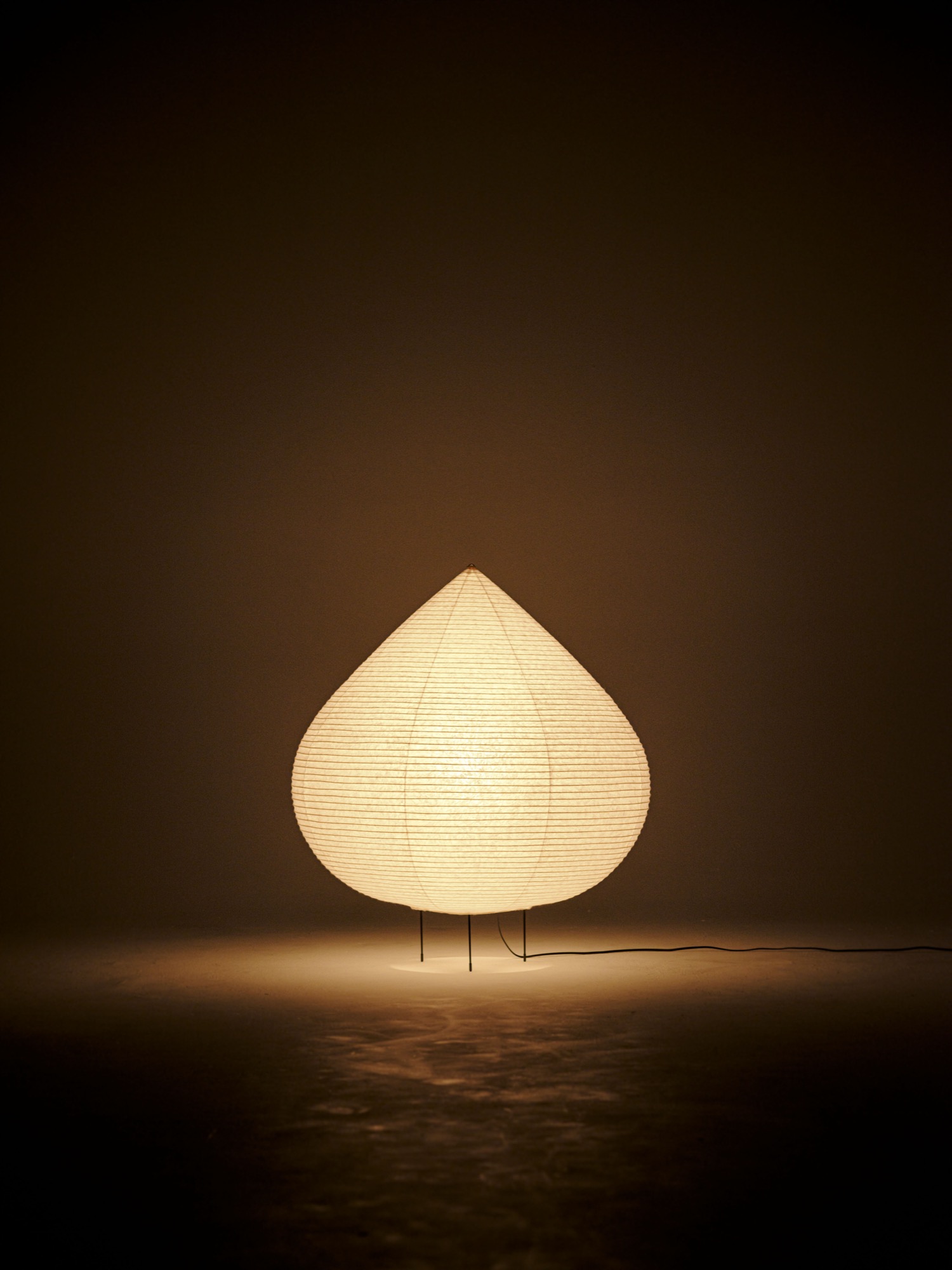
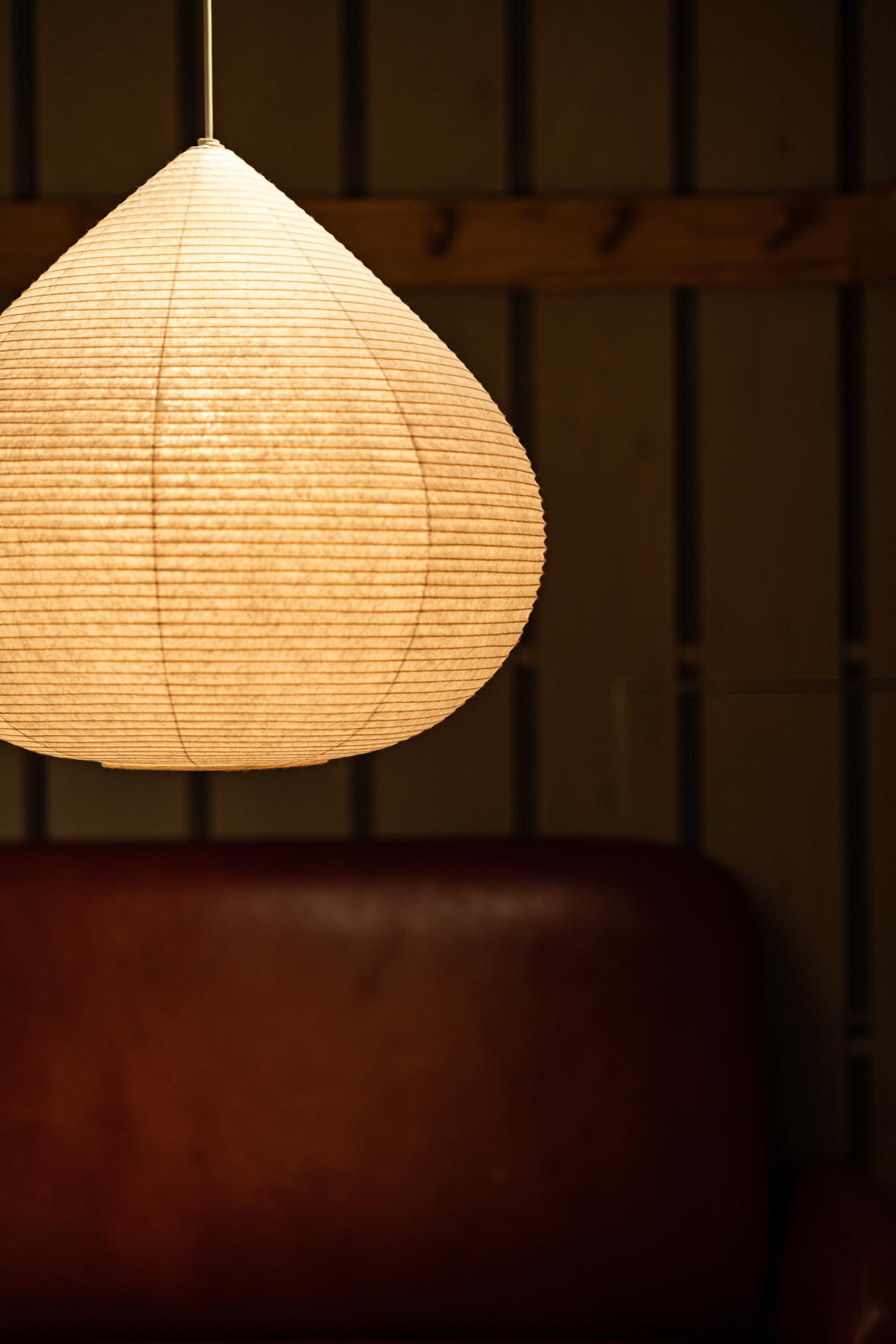
Japanese lanterns are typical, traditional lights that are made from Japanese washi paper. Japanese washi is a paper deeply rooted in the culture of Japanese life. It is made from the bark of a plant called ‘kozo’ and the surface is characterised by the softness and delicate expression of the natural material.
Claesson Koivisto Rune
For the lantern’s shade, Echizen washi paper was selected, a traditional paper with a history of about 1,500 years and characterized by its warm color and durability due to the long and thick Japanese mulberry fiber used as the raw material. It is generally used in large sheets that can be applied seamlessly to large fittings such as fusuma (sliding doors) and byobu (folding screens).
Japanese lanterns have a long history and are said to date back to the Muromachi period (about 700 years ago). At that time, they were said to have been brought from China and were made of bamboo baskets covered with paper, similar to non-foldable basket Japanese lanterns. The folding one came into use towards the end of the Muromachi period, and the picture scrolls of the time show a member of a funeral procession hanging a ‘chochin’, lamp suggesting that they were used as Buddhist altars.
From the Azuchi-Momoyama period (the period after Muromachi period) to the beginning of the Edo period (1603-1867), the mass use of ‘chochin’ at festivals and other events led to technological innovation, and the development of a light, portable, simple type. Furthermore, when mass production of candles became possible from the middle of the Edo period onwards, Japanese lanterns, which had previously been used only by the emperor, nobles, samurai, priests and other members of the upper classes, became available in large quantities at low prices, and a wide variety of shapes and sizes permeated people’s lives. The most famous Japanese lanterns production areas in Japan are Yame in Fukuoka, Gifu in Gifu and Suifu in Ibaraki. We chose the Suifu are because it can be made in large sizes and it is durable enough to be used in hotels.
Photo
TIME & STYLE