
Established in Tokyo in 2021, SO KOIZUMI DESIGN has been involved in various fields, including spatial and product design, consistently presenting works born from Koizumi’s unique thinking and experimental approach. Two works, “Fossilized Future” and “SEVEN”, designed by Japanese designer So Koizumi will be exhibited at the design platform ‘Alcova’ for the first time.
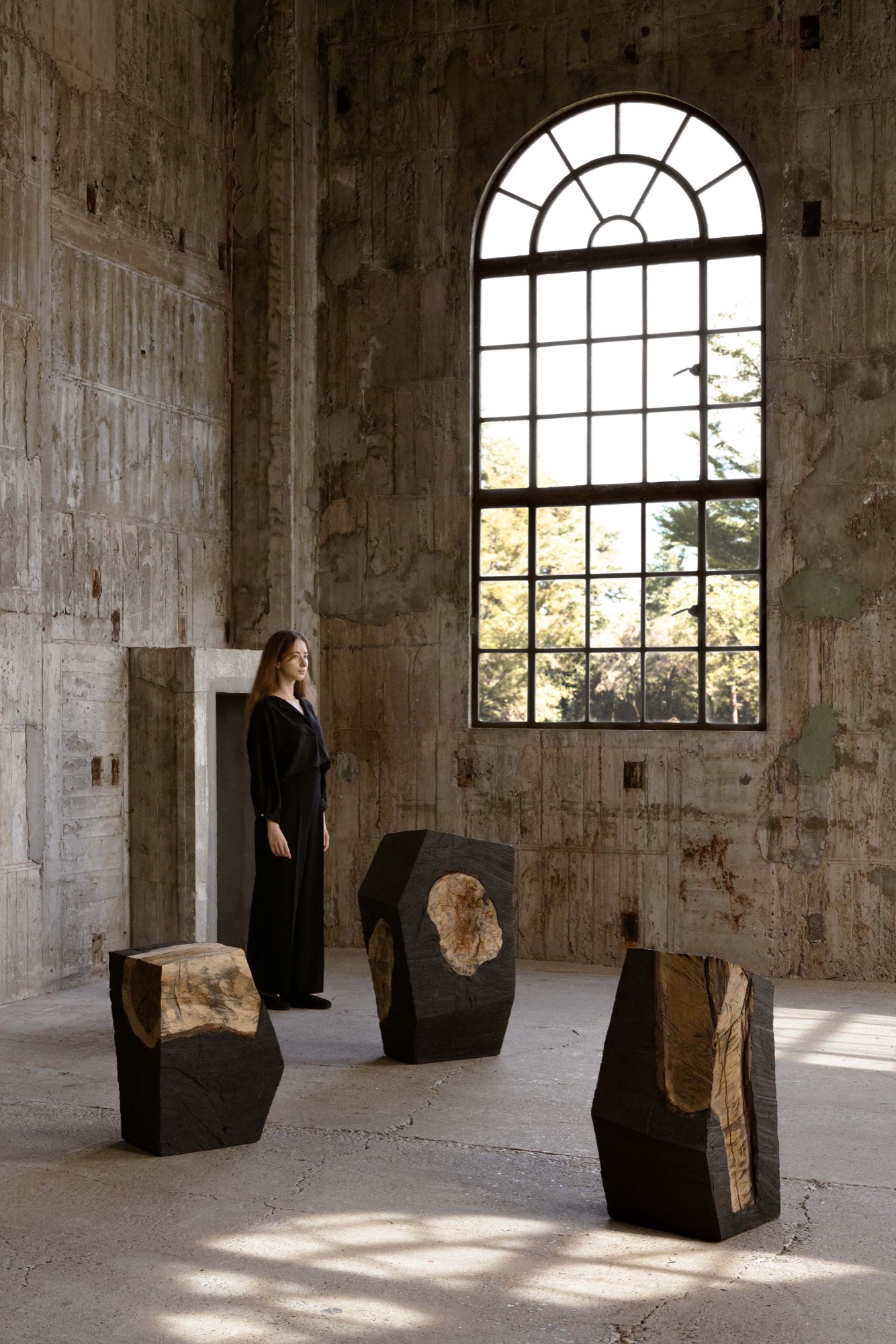
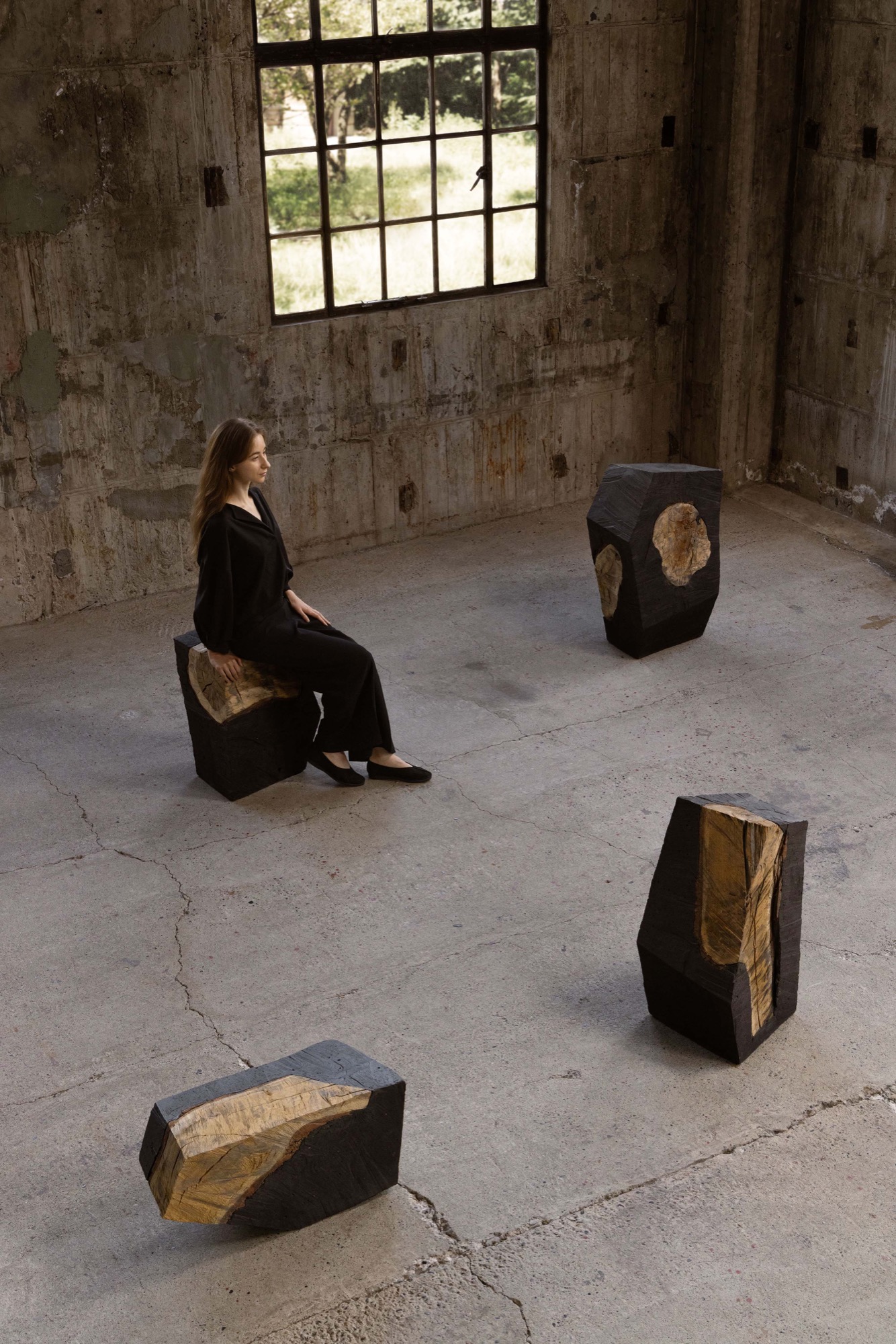
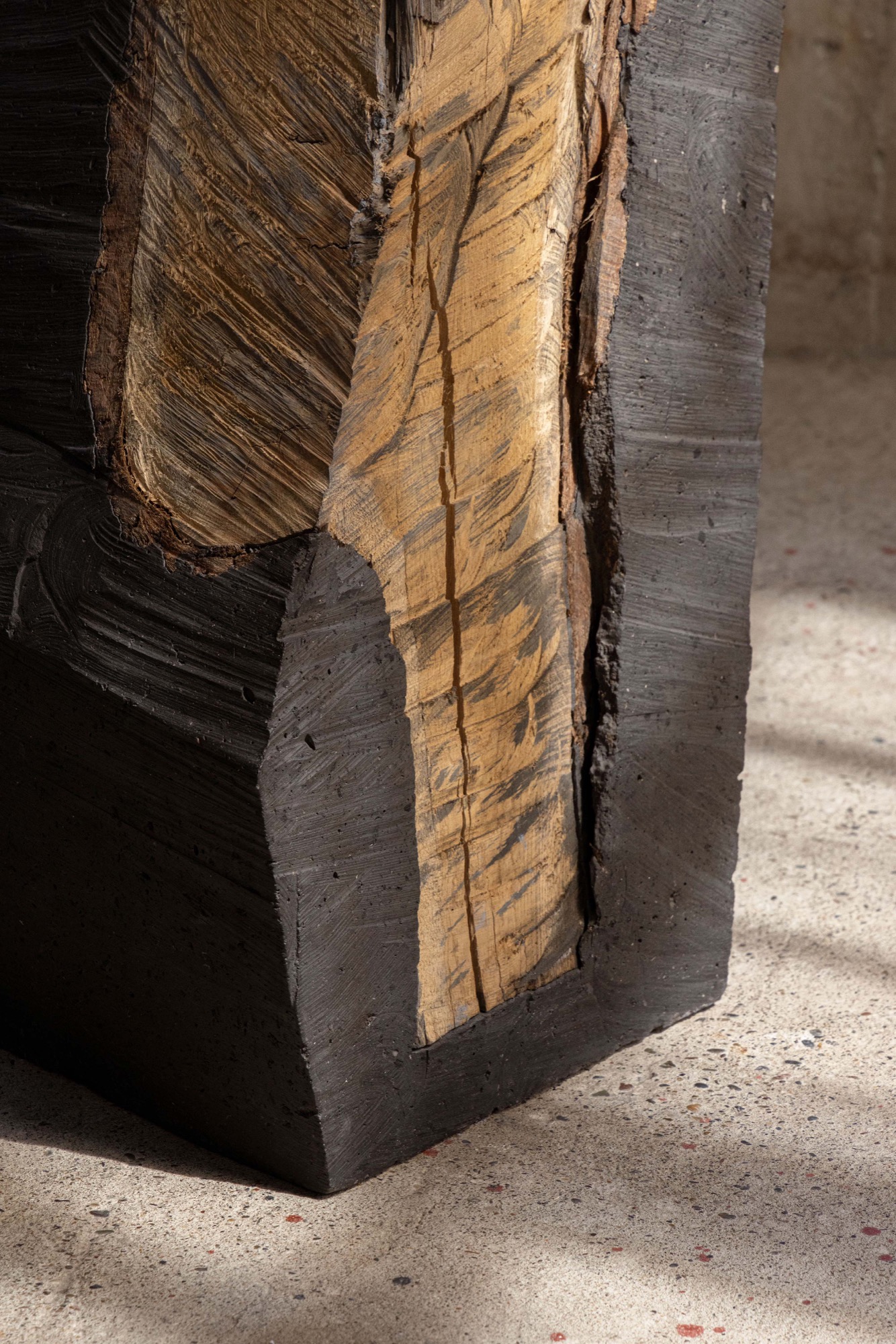
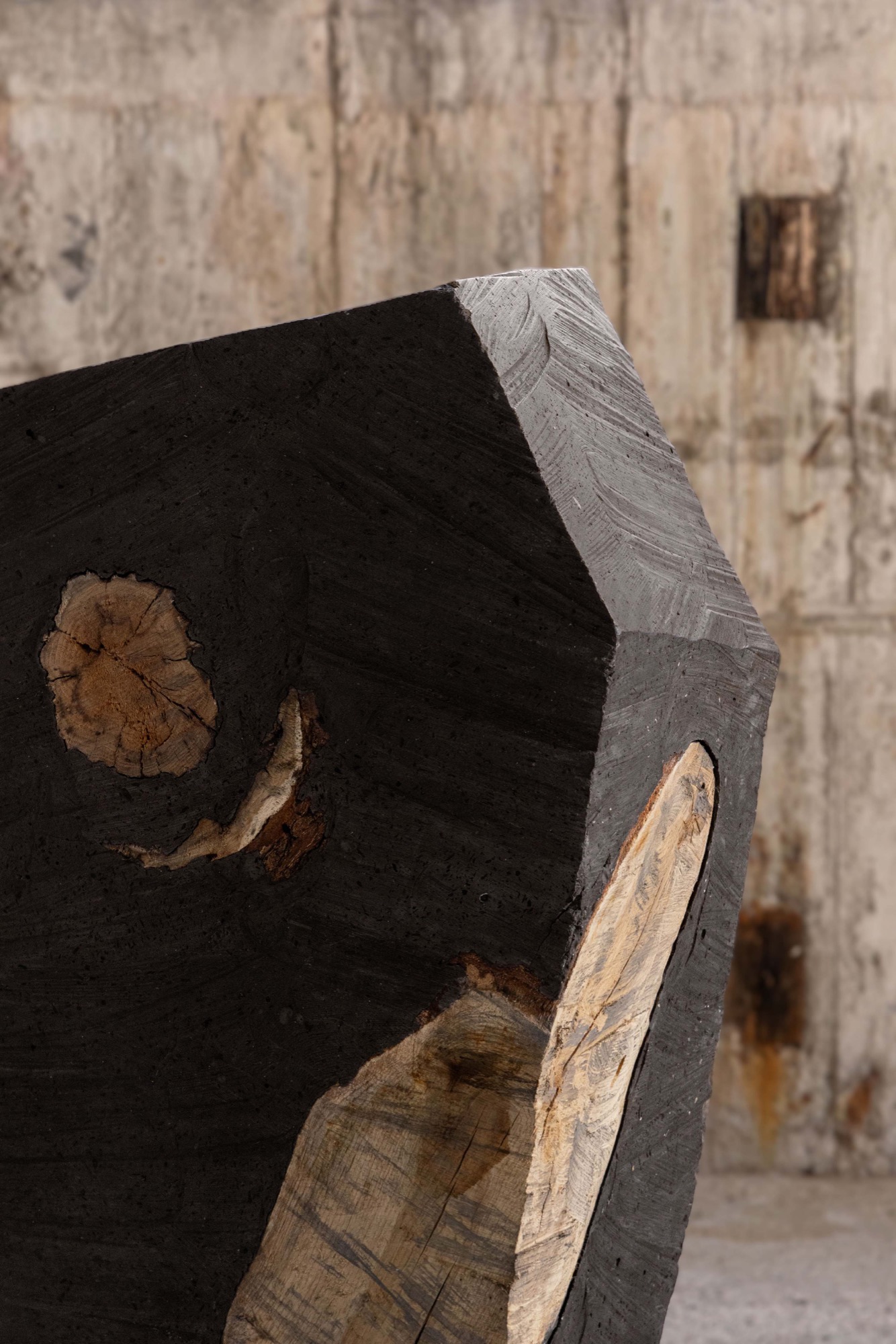
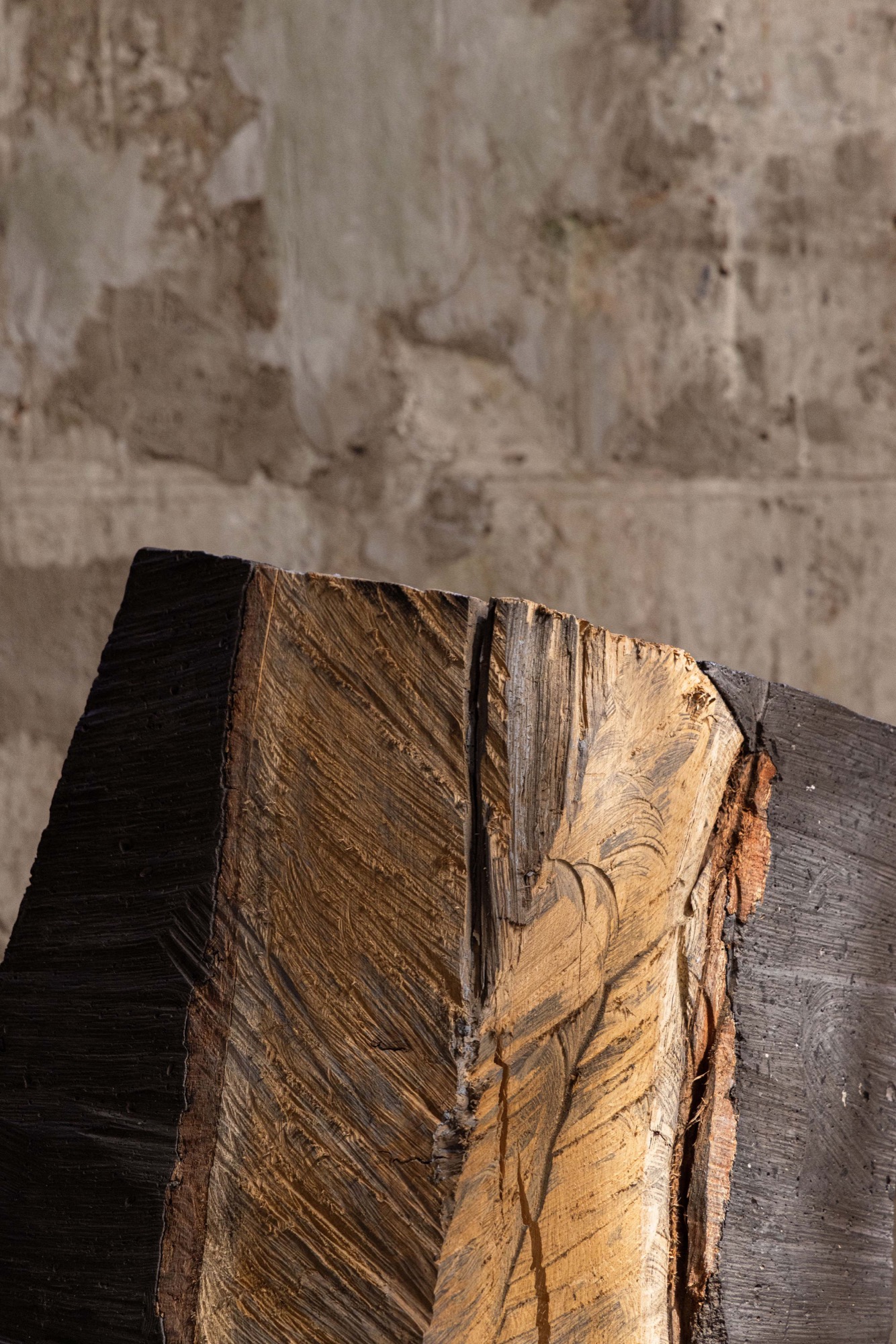
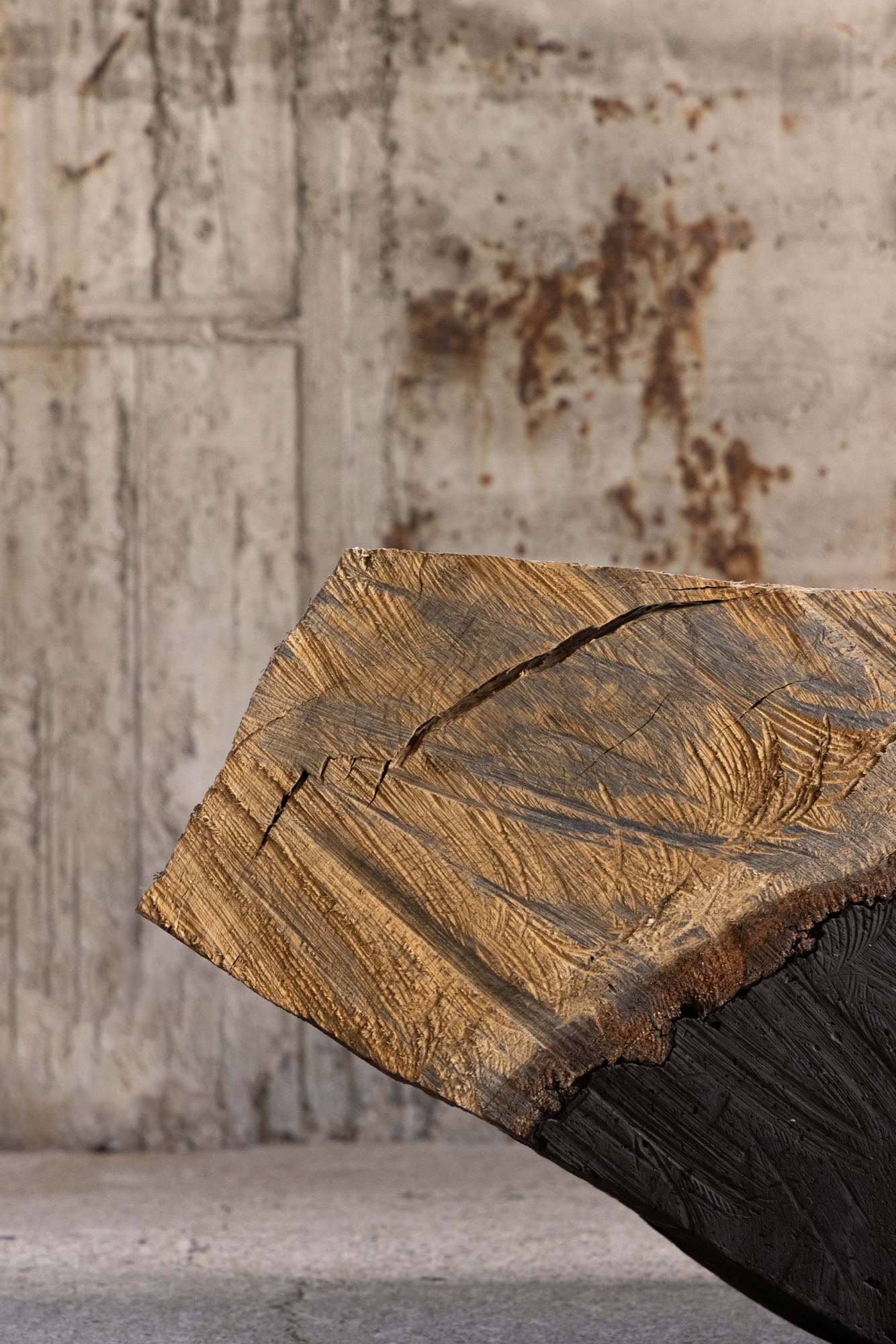
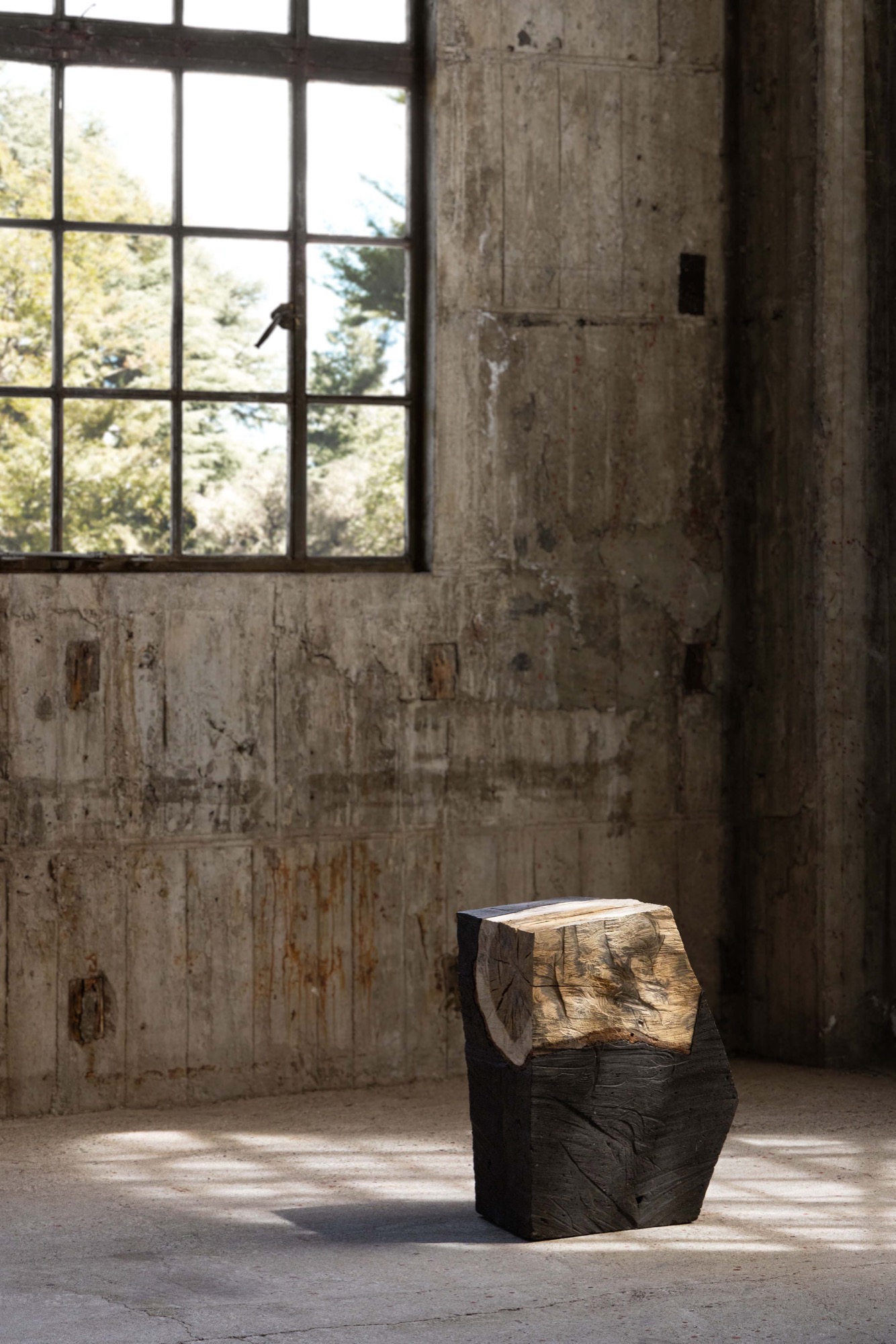
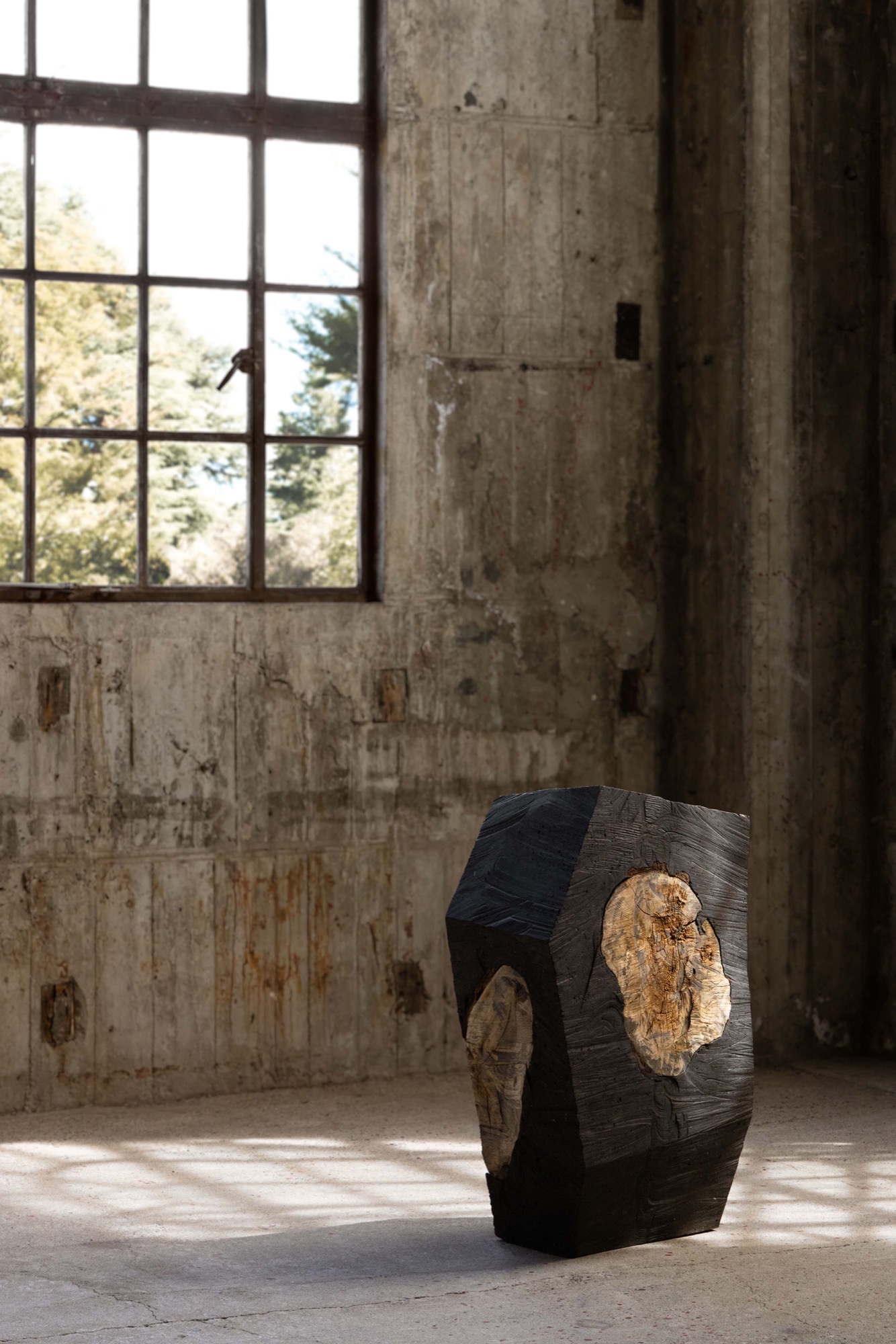
Fossilized Future is a collection of furniture born from imagining the fossilized form of contemporary resources in the future. As resources of today fossilize into the future, he questions how the current society will be perceived in the future, and how today’s human creations will give impact on the future. By surveying the present from the perspective of a future where these furniture will be discovered as fossils, it offers a new viewpoint.
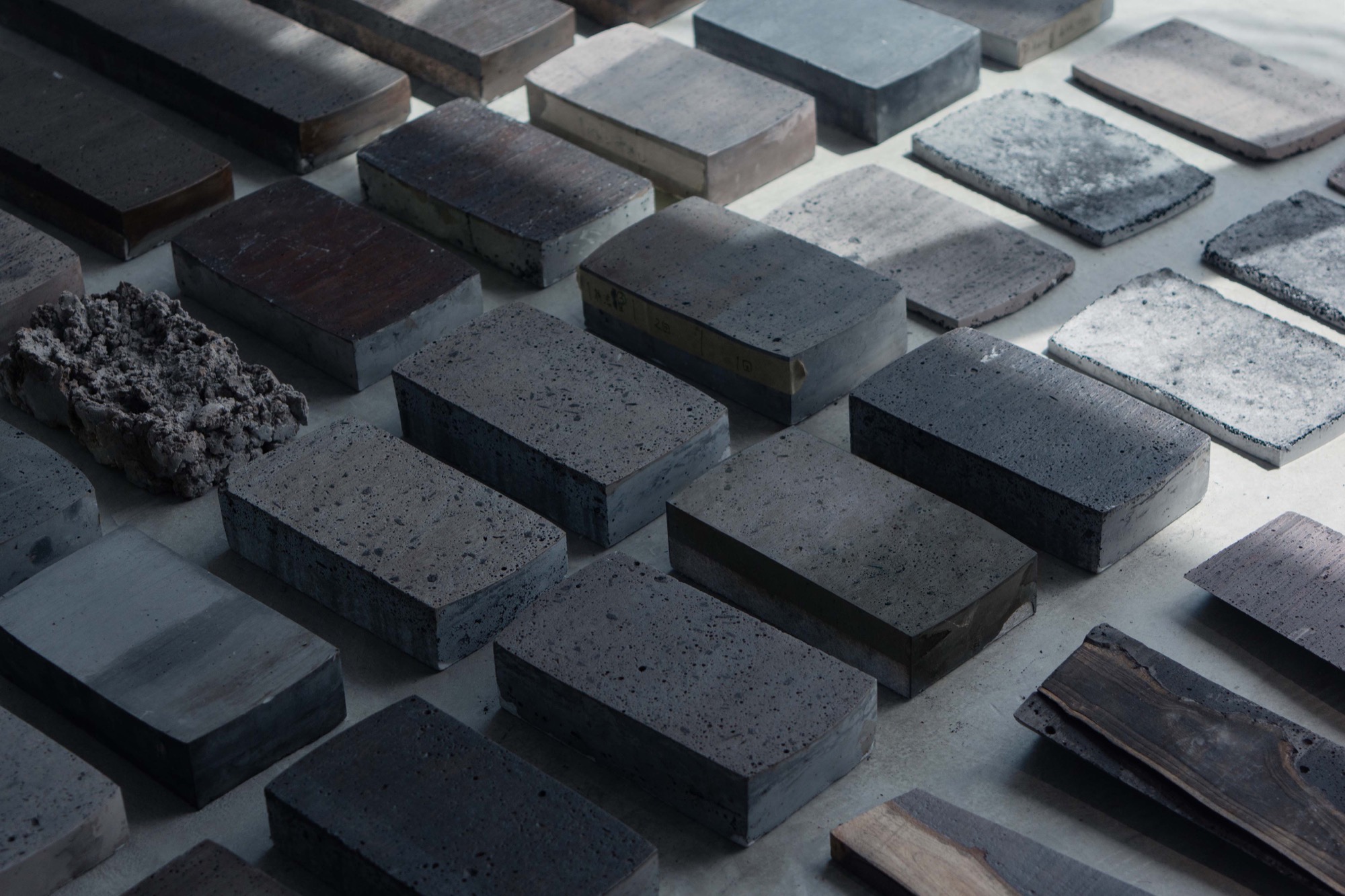
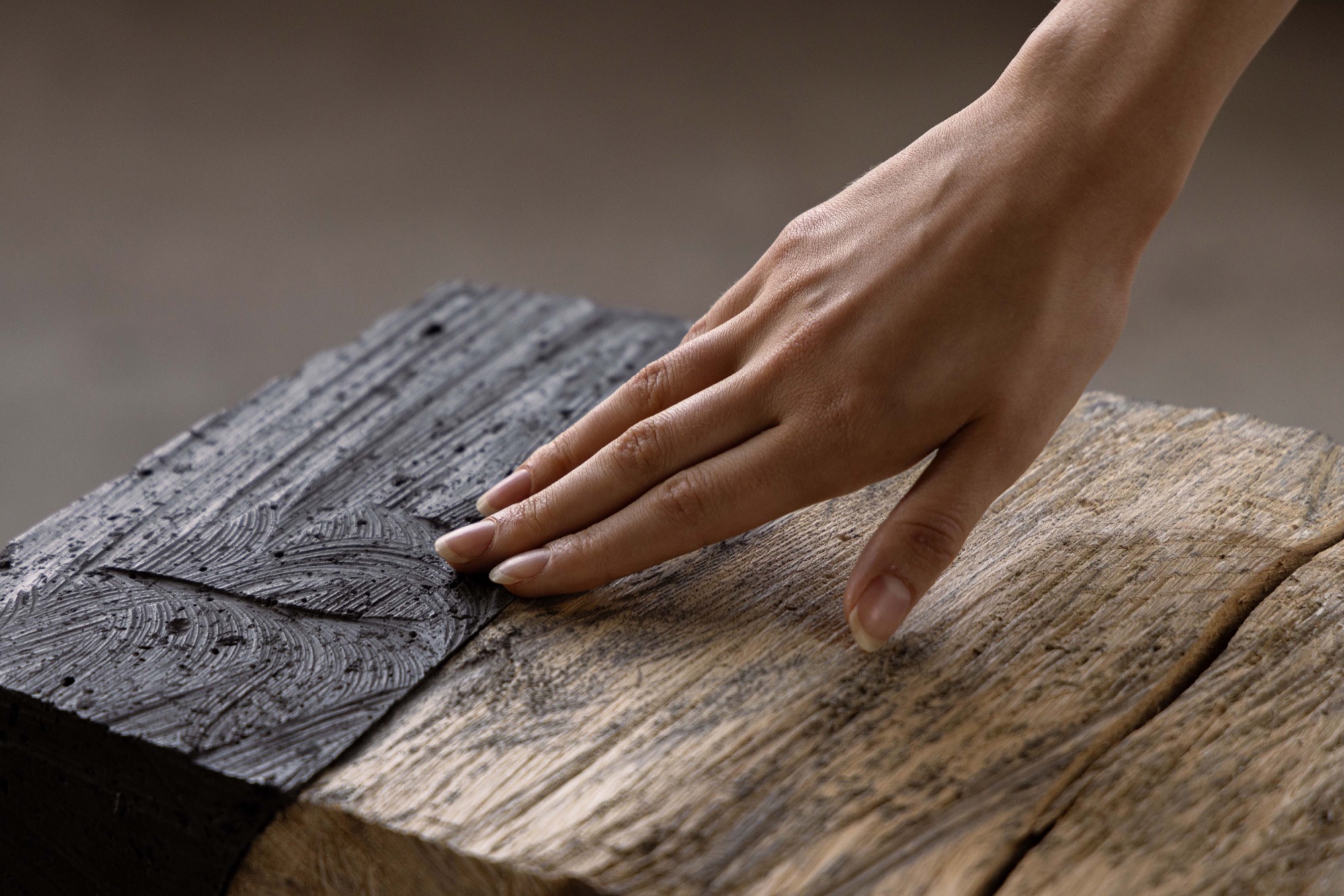
By viewing fossils not as relics of the past but as metaphors linking the past and future, he considers that things created in the present will eventually shape the future. Therefore, these furniture works are made from materials generated in our contemporary daily life, such as wood from nearby forests felled due to oak wilt disease and soil-like materials found in the surrounding area. These materials include not only minerals and charcoal that are components of the soil, but also natural materials discarded daily such as rice husks, leftover coffee grounds, and vegetable peels, serve as traces of everyday life. He developed and experimented with these materials to create a unique material that could be considered as the‘contemporary soil’.
So Koizumi
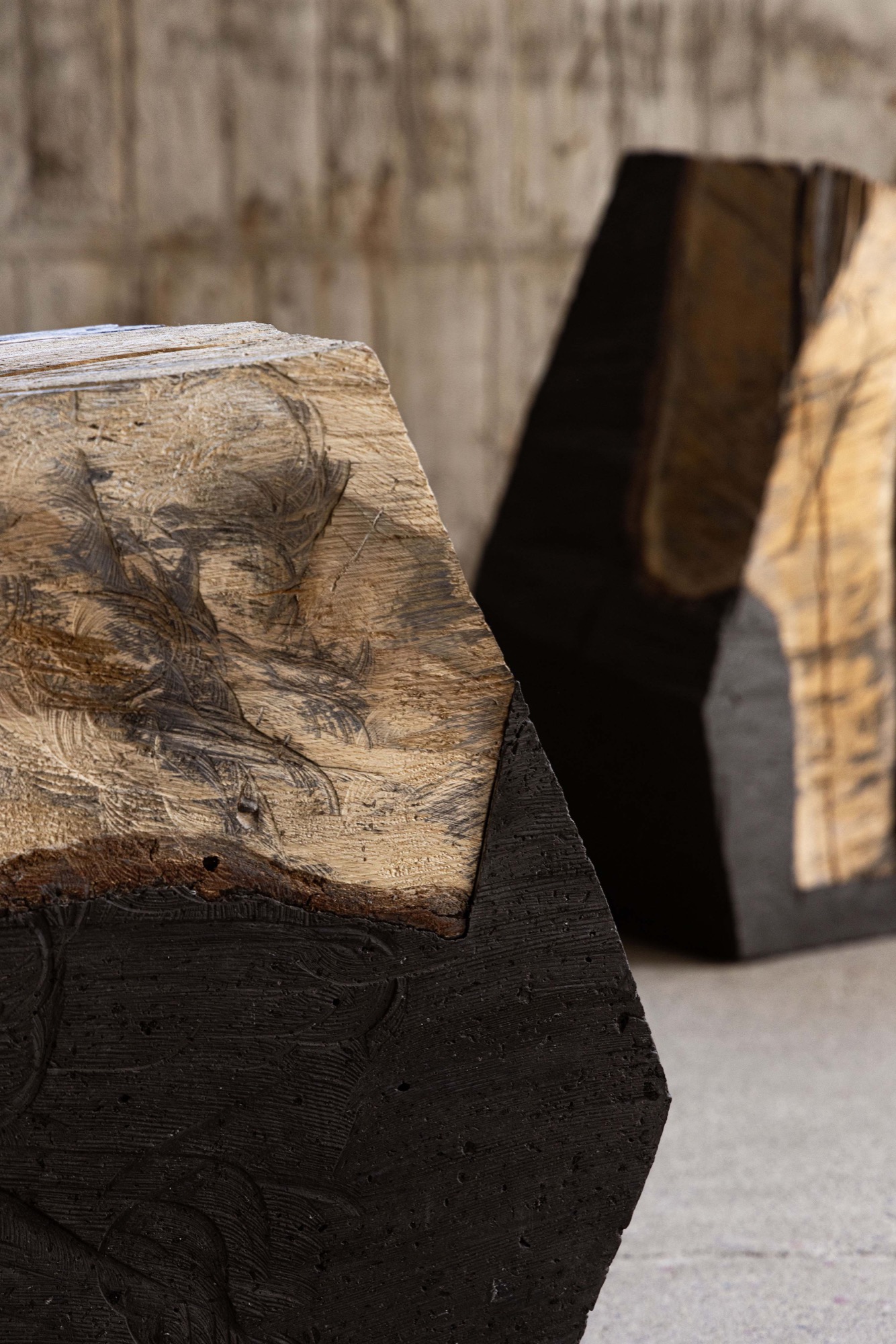
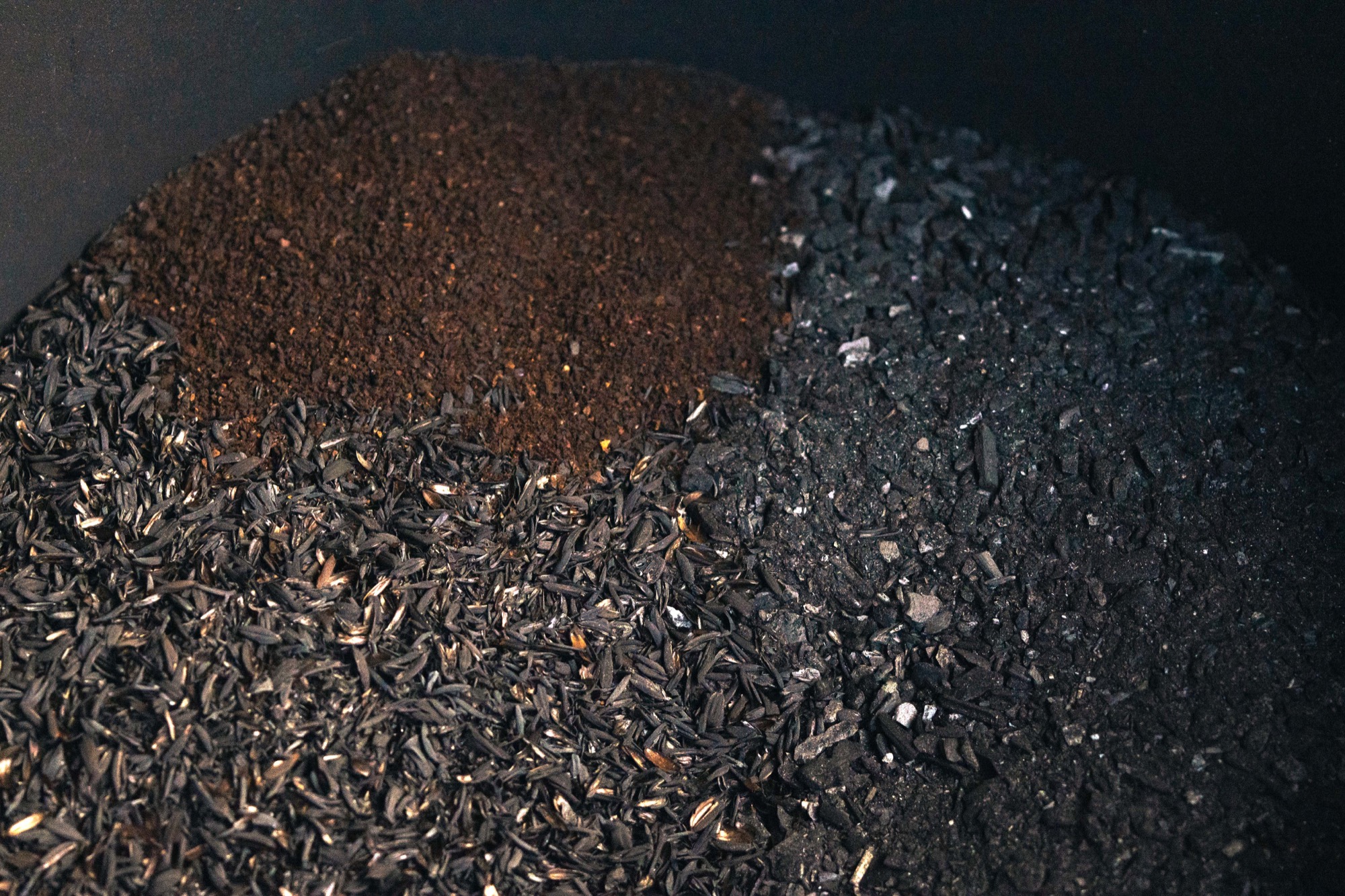
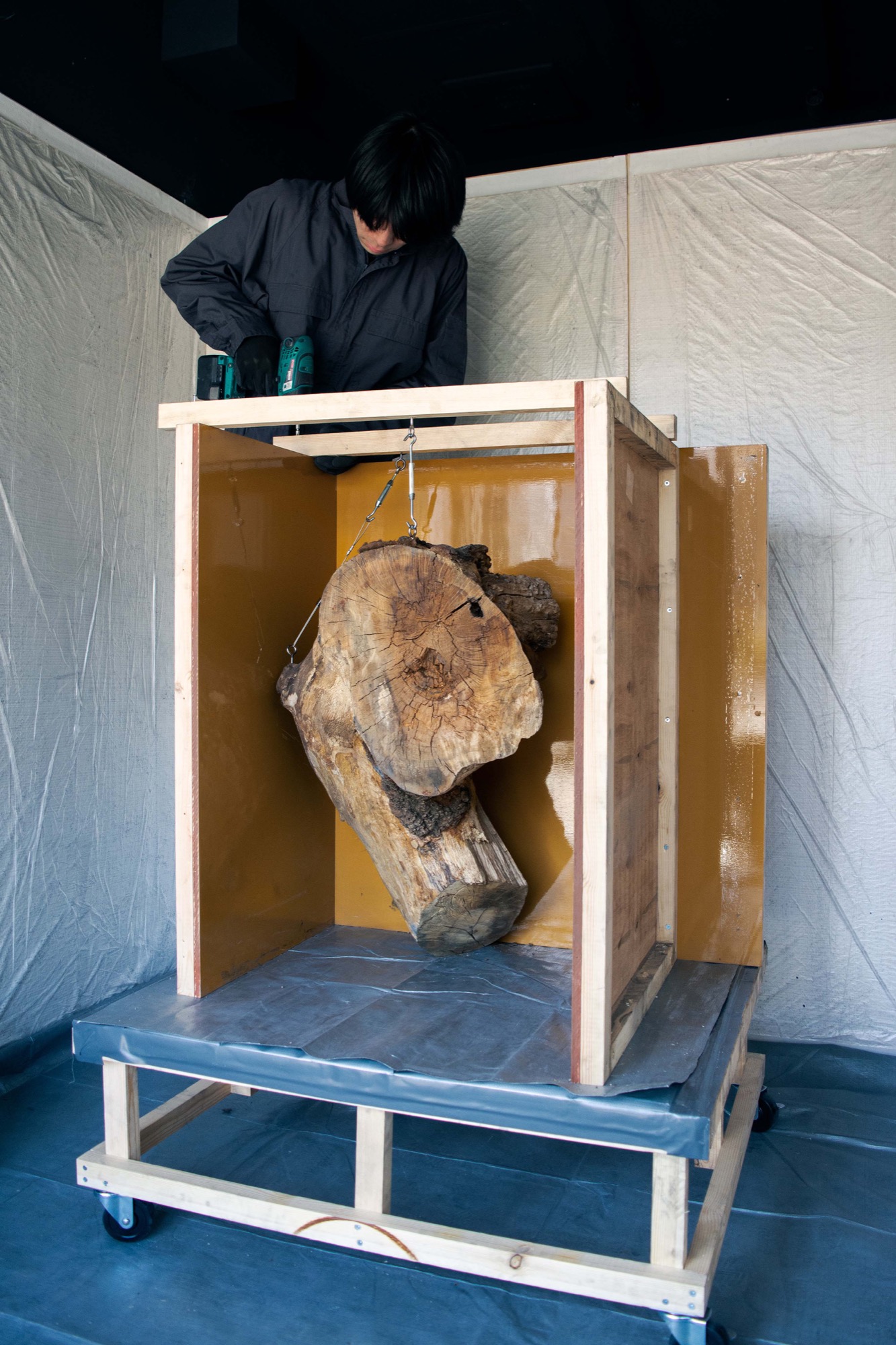
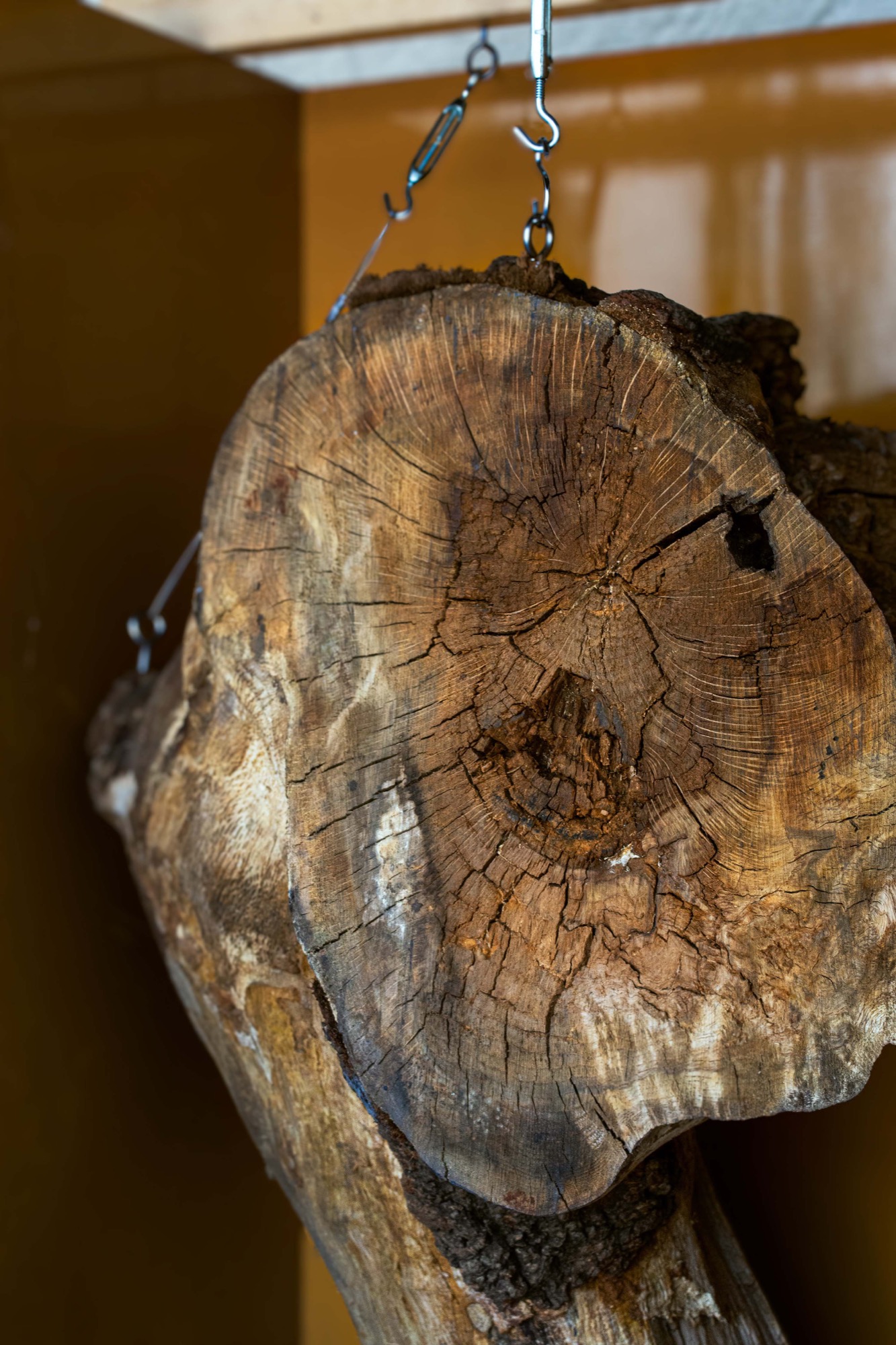
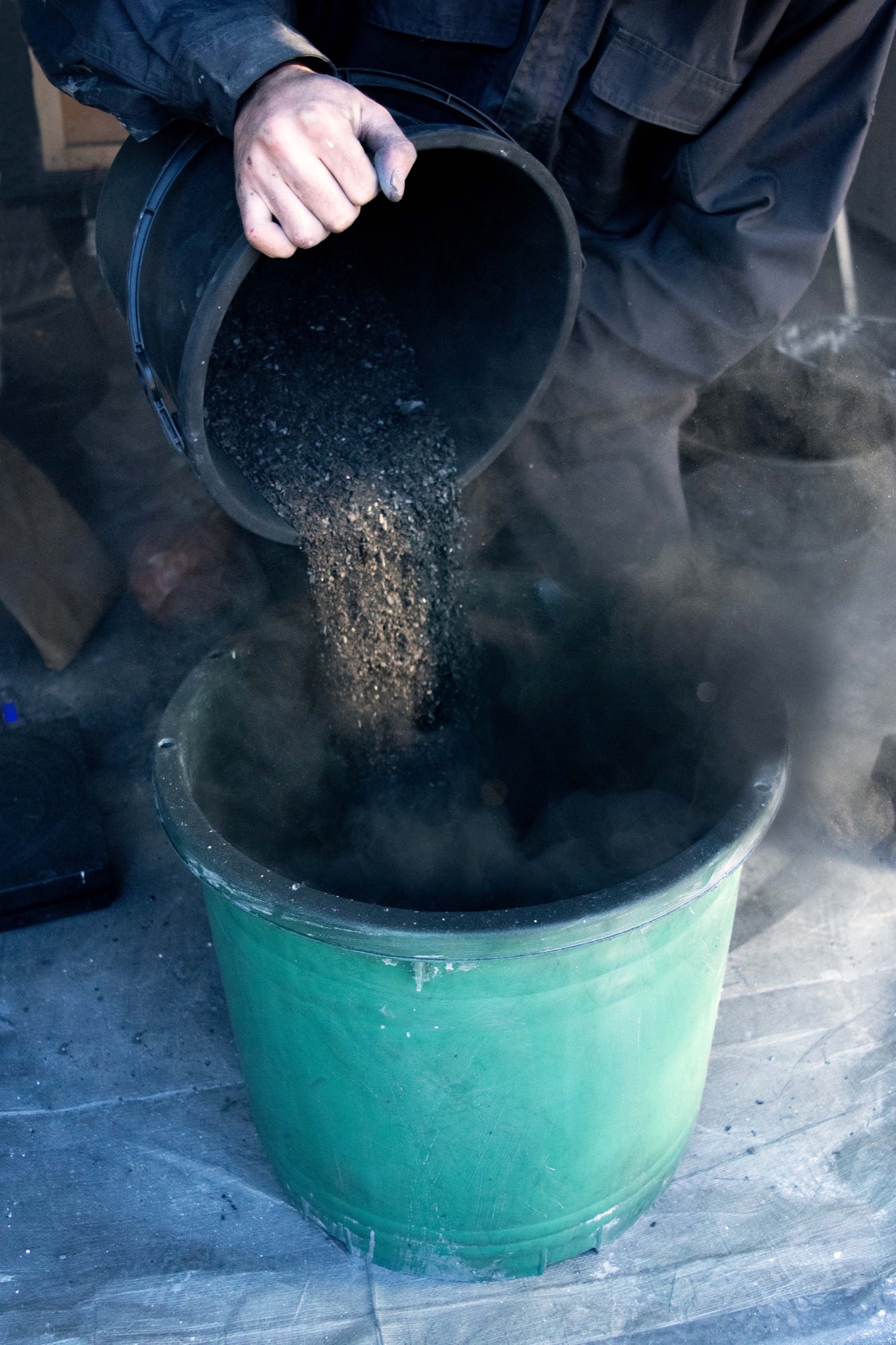
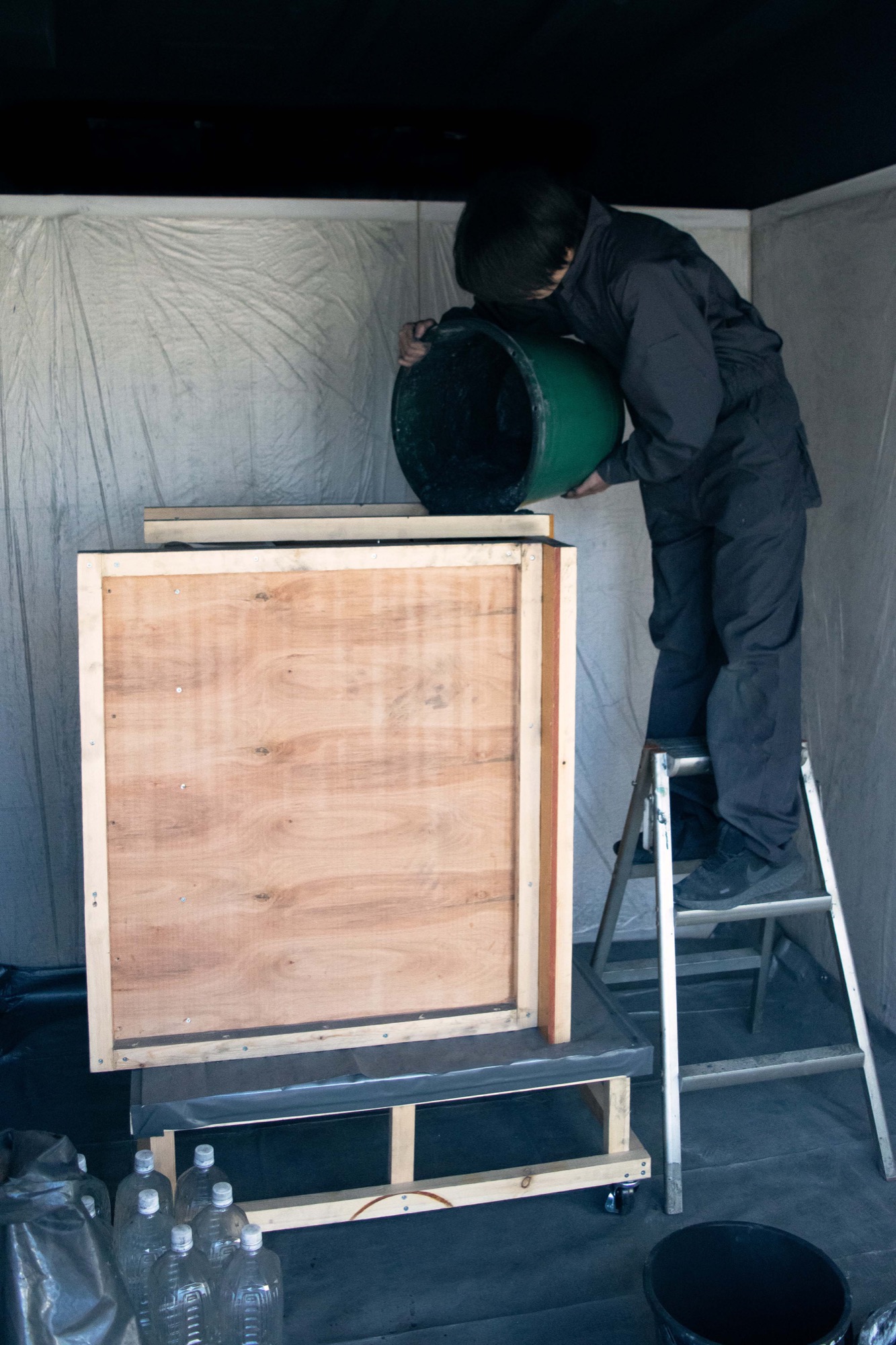
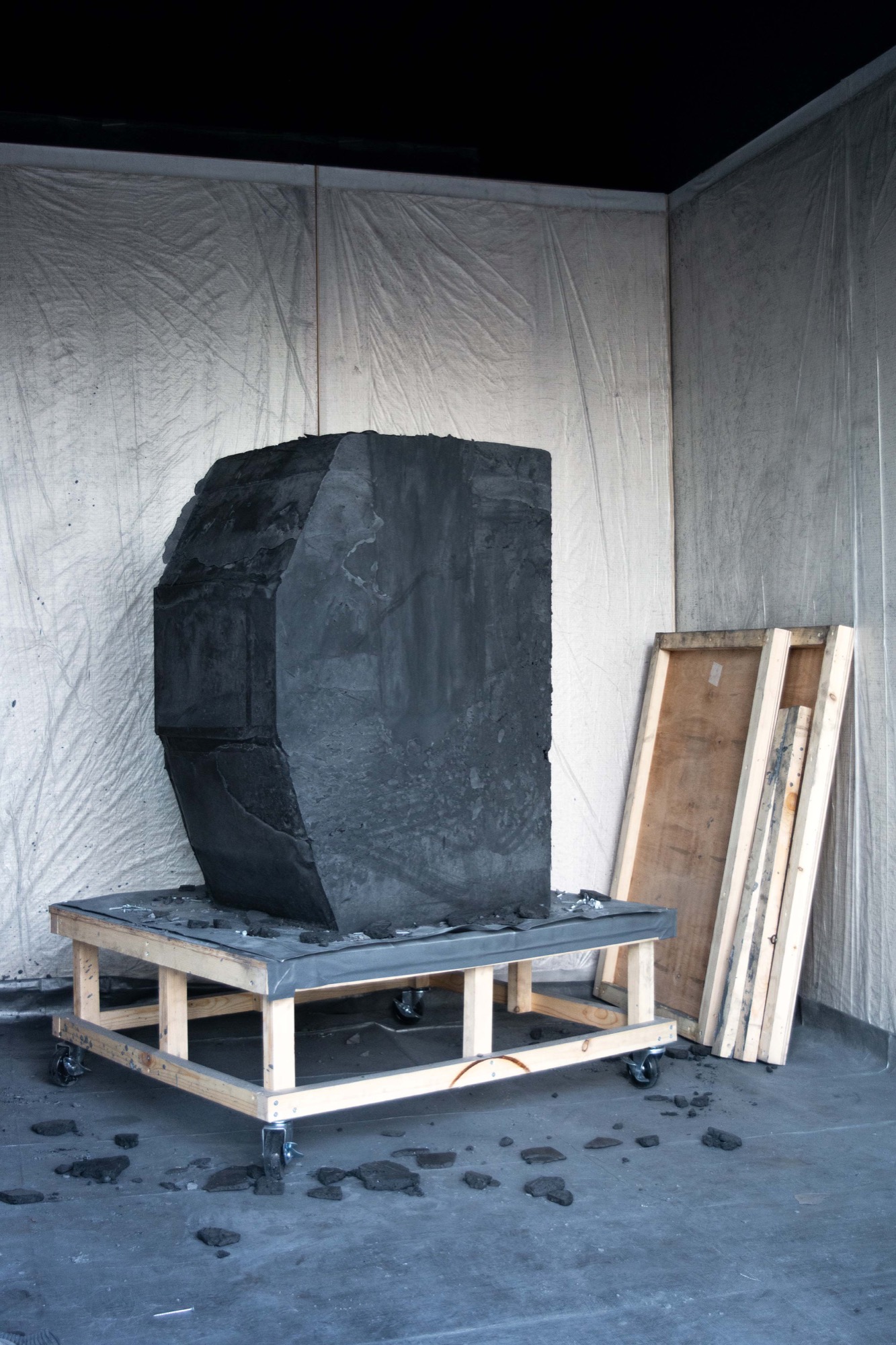
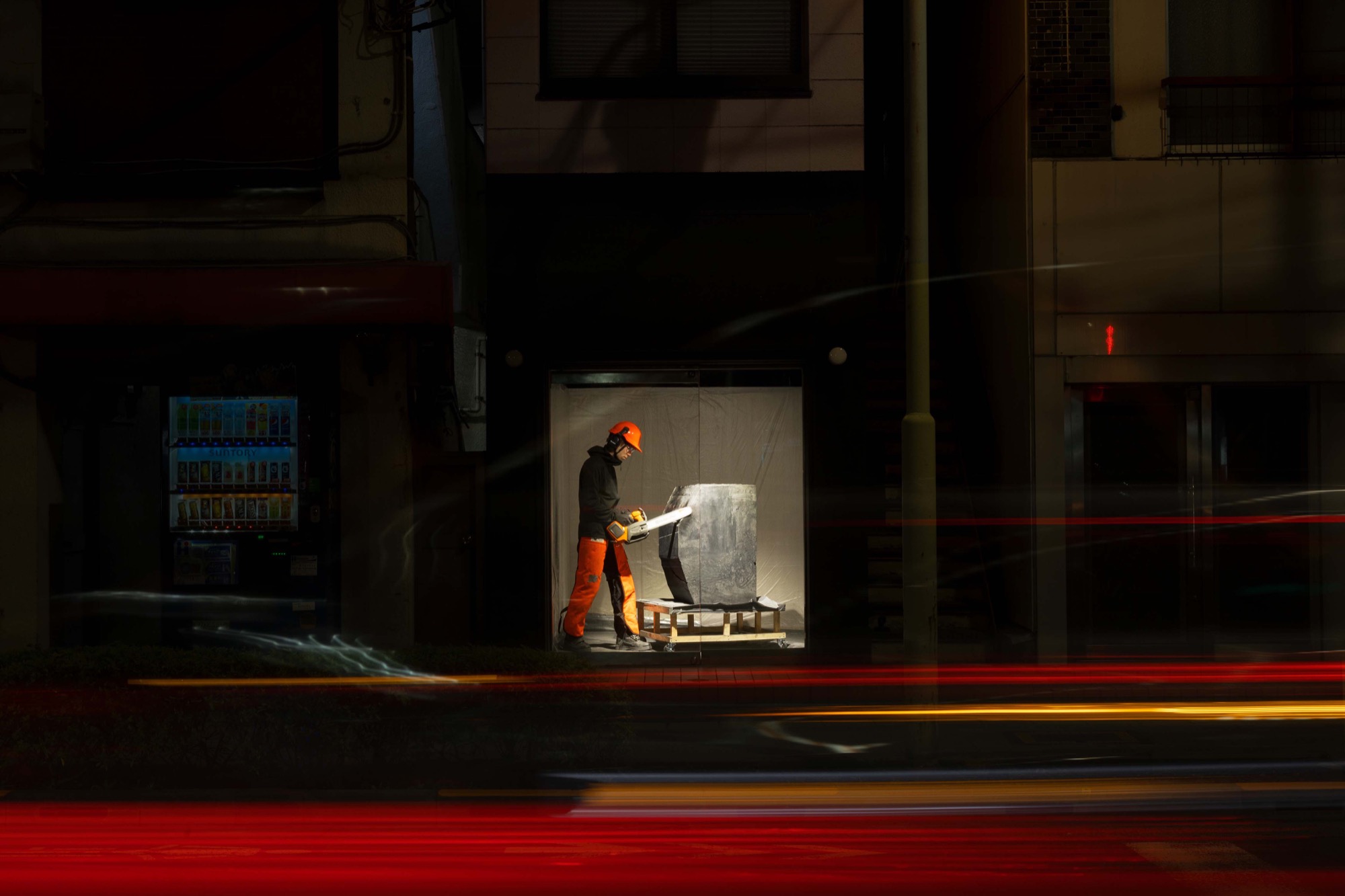
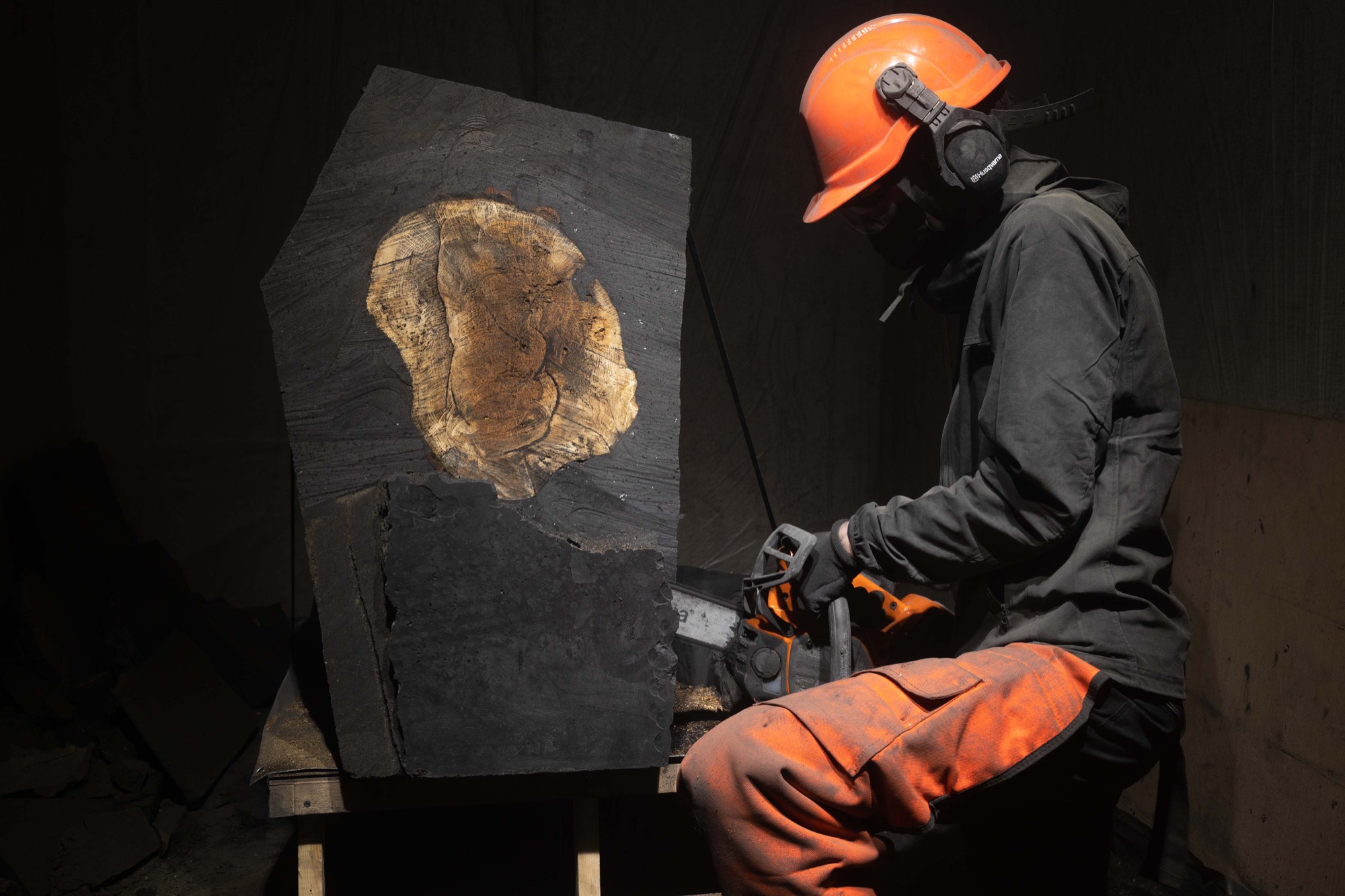
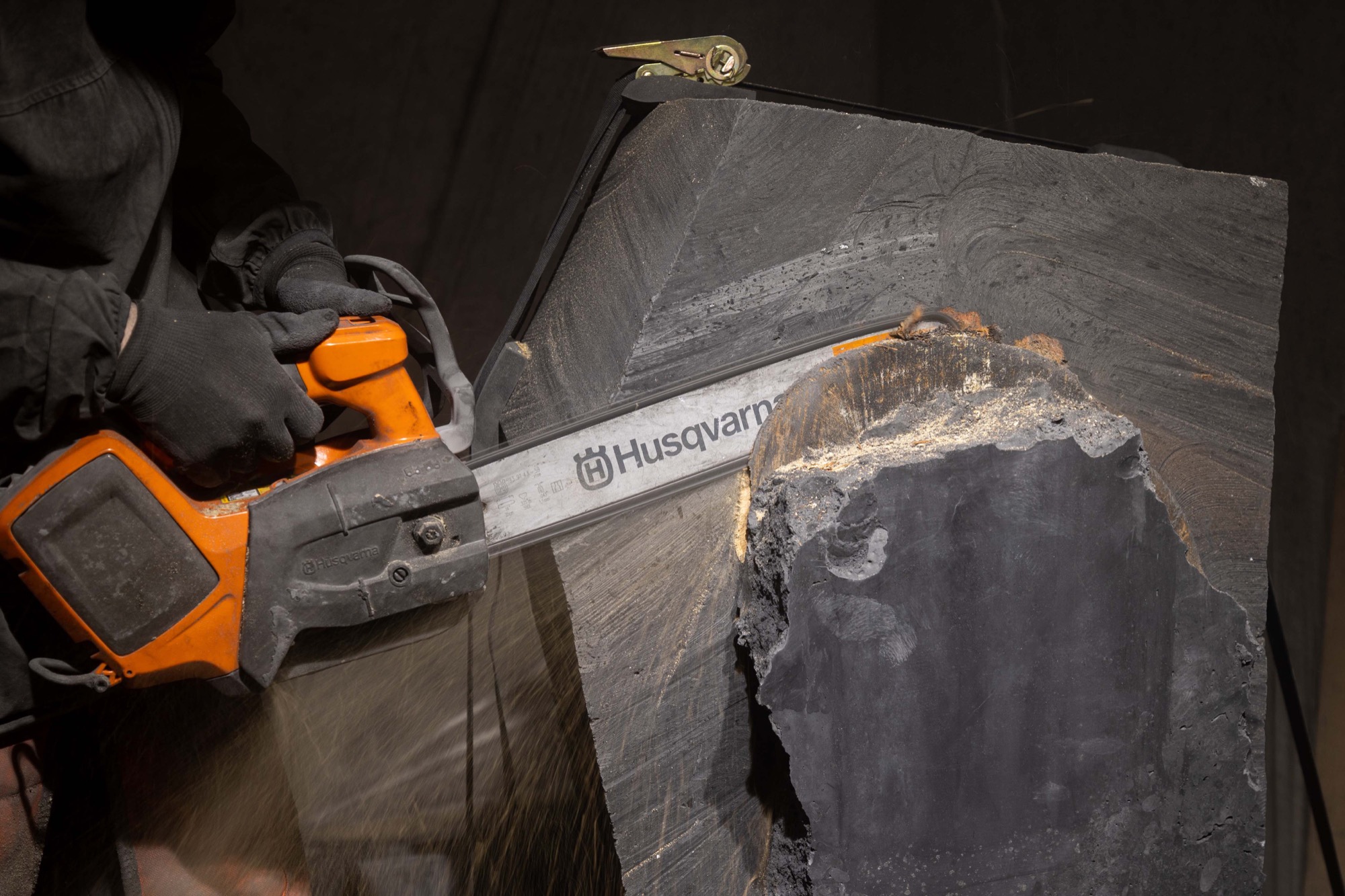
These large blocks made from these materials are created by the designer and cut by a chainsaw. This process resembles excavat- ing fossils buried in the soil, and the discoveries of the exposed cross-sections are preserved as they are.
SEVEN is a wind chime featuring a new structure utilizing tensegrity principles.
Themed around the‘interplay of stability and instability’, this work reflects the constant flux between stability and instability that individuals and societies experience in recent years. The tensegrity structure embodies the current societal state, wandering between stability and instability, with something within this realm believed to stir human emotions. While it appears to float while maintaining stability, external forces such as wind induce swaying to maintain equilibrium. By converting this swaying into sound, it fills the space with harmonious tones, providing solace and vibrancy to daily life.
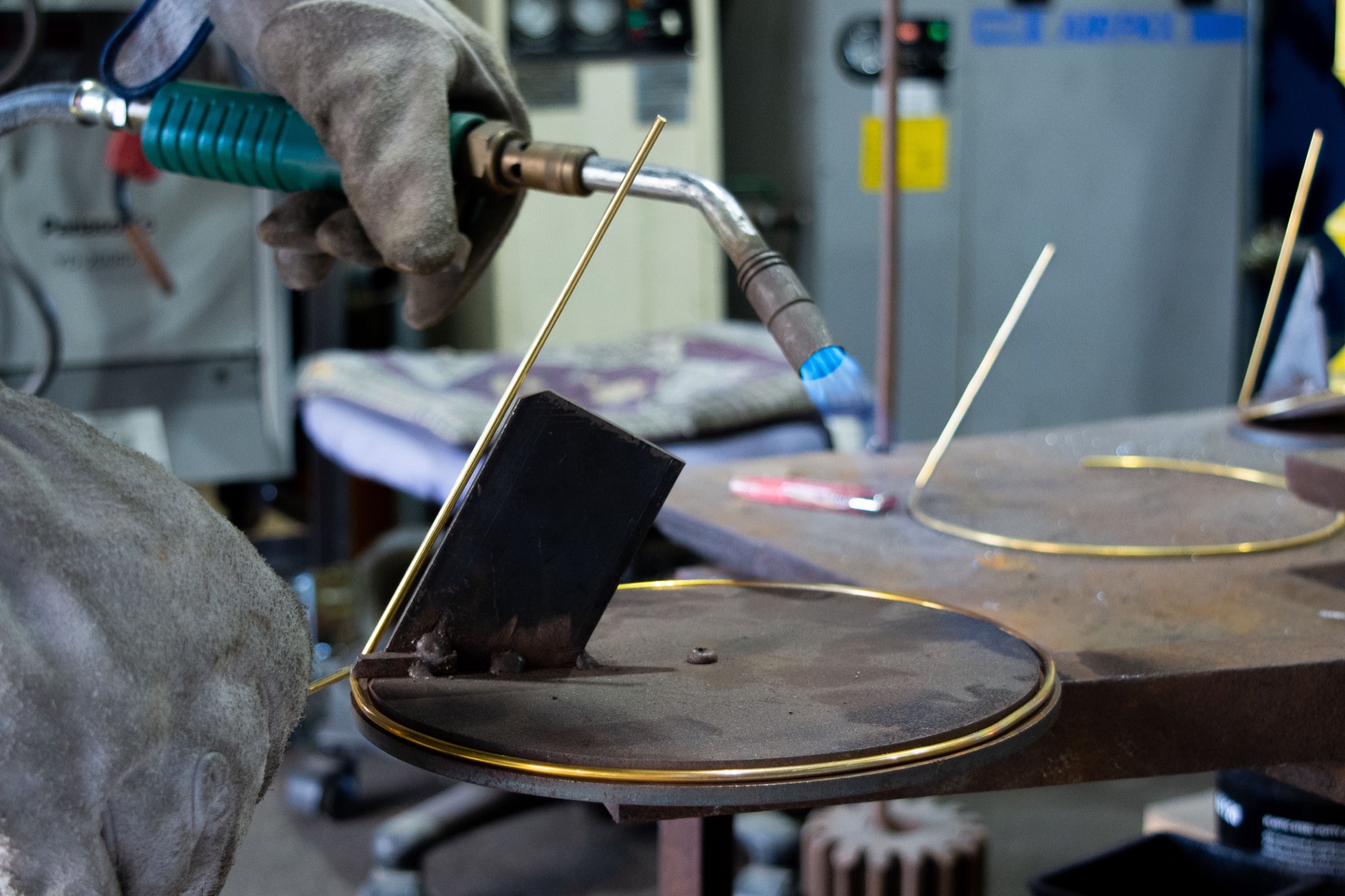
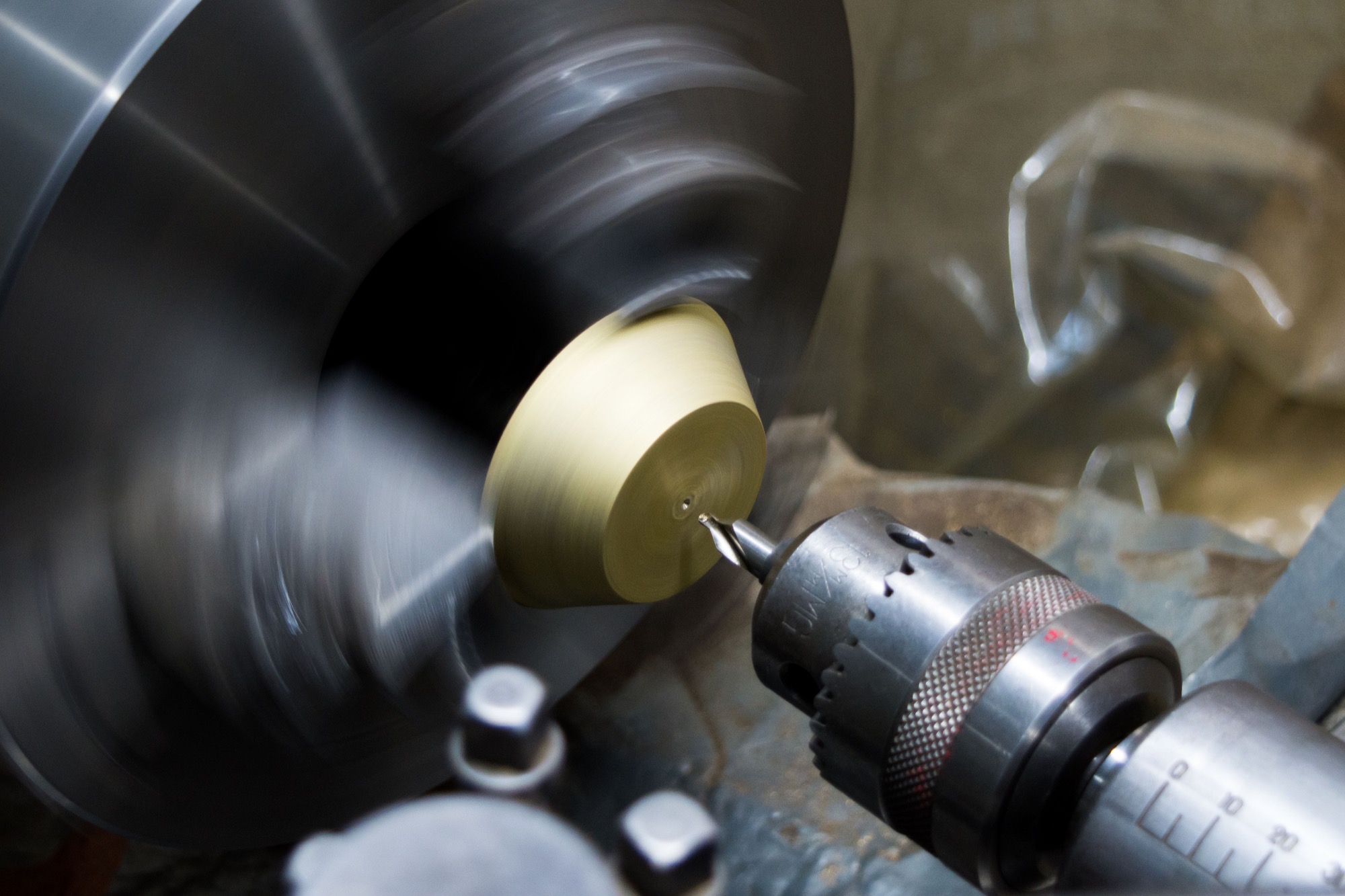
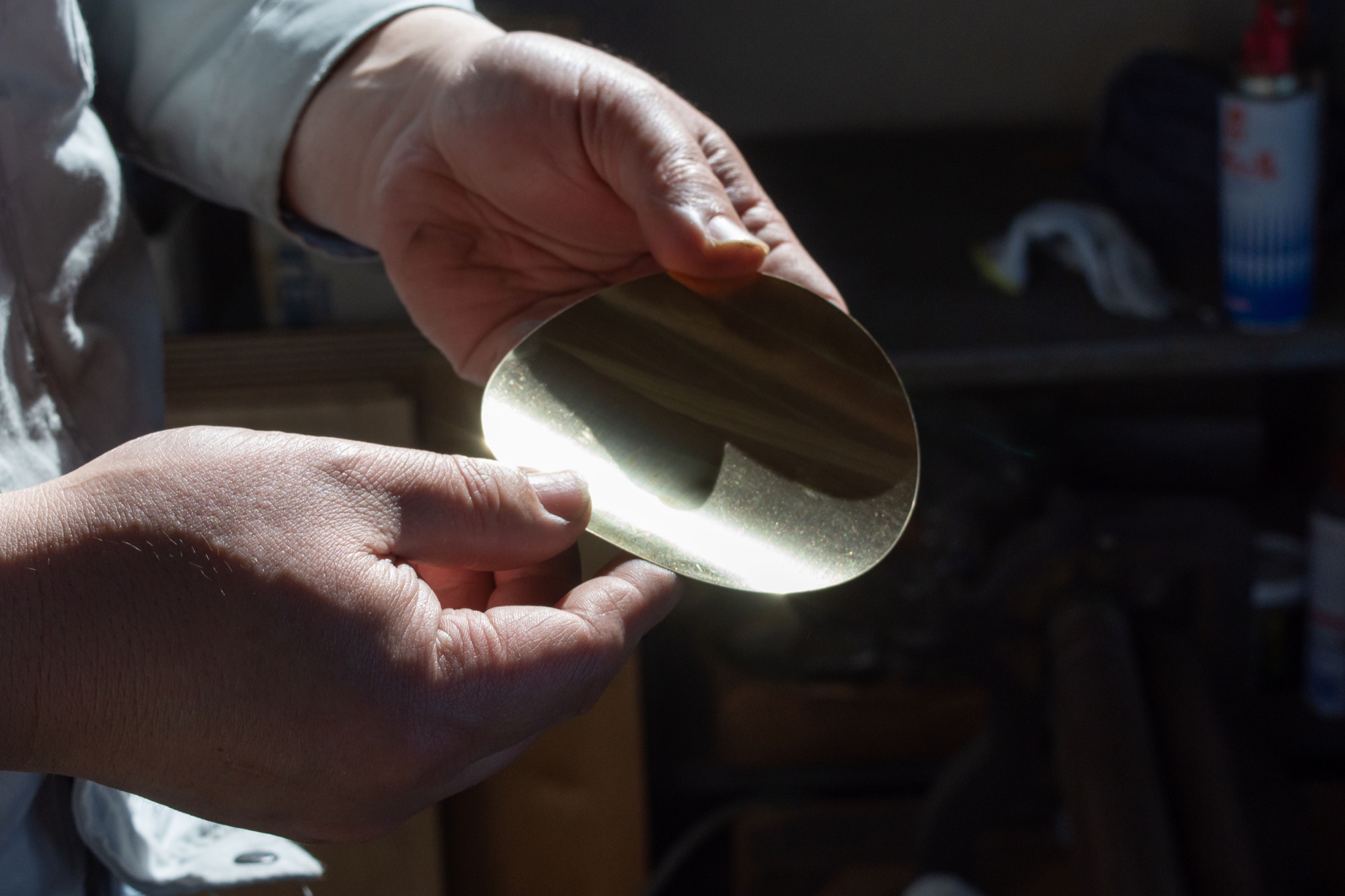
This is entirely made of brass, relying on the exquisite balance of its components. Achieving this balance required precise technical skill, thus it was made in Takaoka City, Toyama Prefecture, renowned for metalworking. Takaoka’s manufacturing is char- acterized by division of labor. The production was led by Sanomasa factory and specialists in various fields such as casting, bend- ing and welding contributed in culminating its realization.
So Koizumi
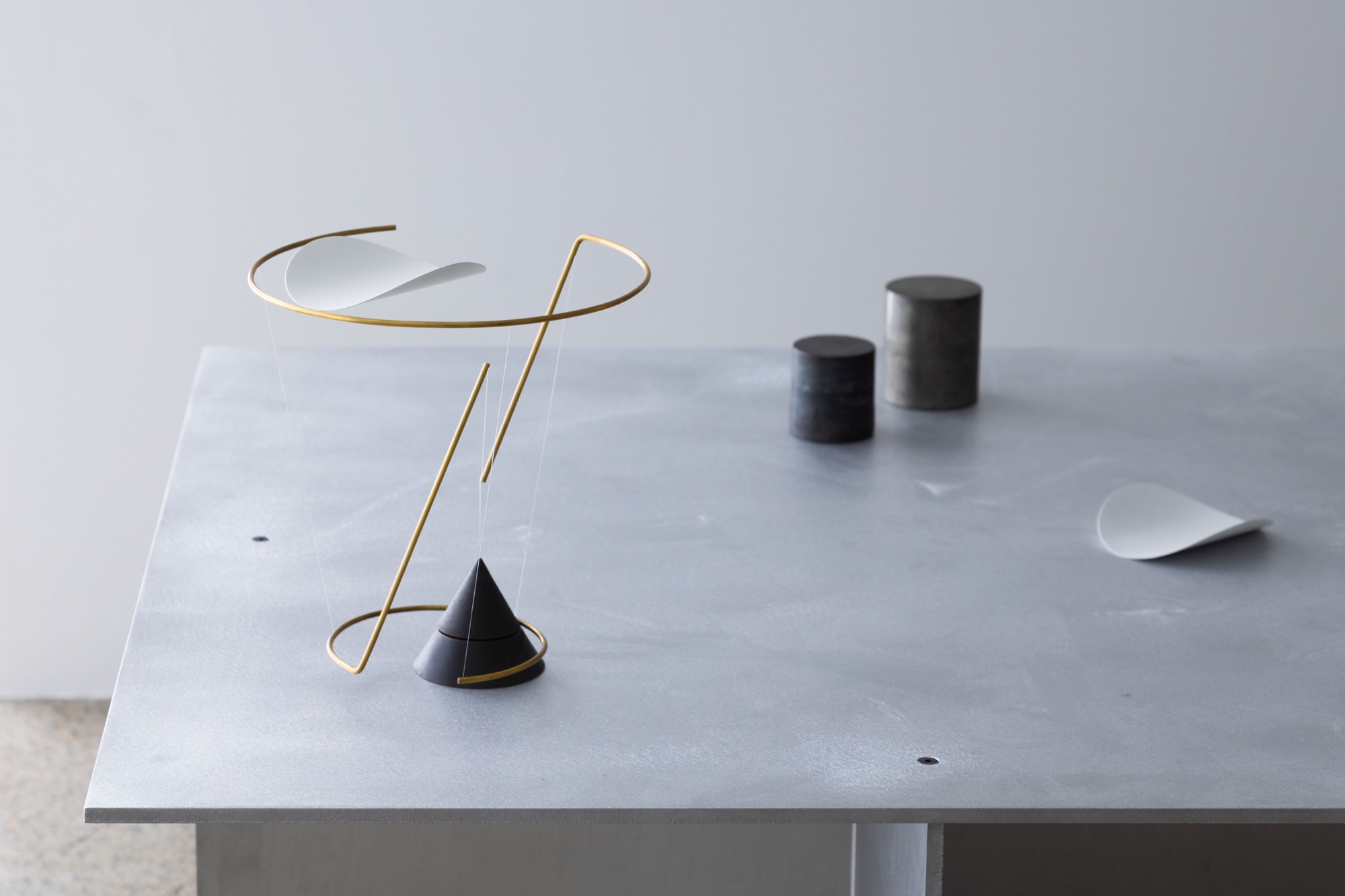
The title “SEVEN” stems from two sources: firstly, its utilization of the tensegrity structure forms a shape resembling the numeral “7” when viewed from the side. Secondly, it is named “SEVEN” due to its production involving a total of “seven” factories and their arti- sans under Takaoka’s division of labor system.
Alcova was founded in 2018 by Valentina Ciuffi (Studio Vedèt) and Joseph Grima (Space Caviar) as a platformfor designers, companies, institutions and researchers investigating the future of living and making. Every year during Milan Design Week, the world’s largest design event, Alcova brings together individuals who define today’s design culture through groundbreaking works in living environments, products, systems, materials, and technological innovations. It has become one of the most widely supported projects during Fuorisa- lone, regularly attracting over 90,000 visitors.
In its 7th edition, Alcova will take place in two magnificent villas in the Milan metropolitan area, Villa Borsani and Villa Bagatti Valsec- chi, featuring exhibitions, talks, and performances by selected exper- imental designers curated by Alcova. Both villas are easily accessible from the center of Milan, with connections via the S2 and S4 lines taking approximately 25 minutes. So Koizumi will present their works in the historic underground space of Villa Bagatti Valsecchi.